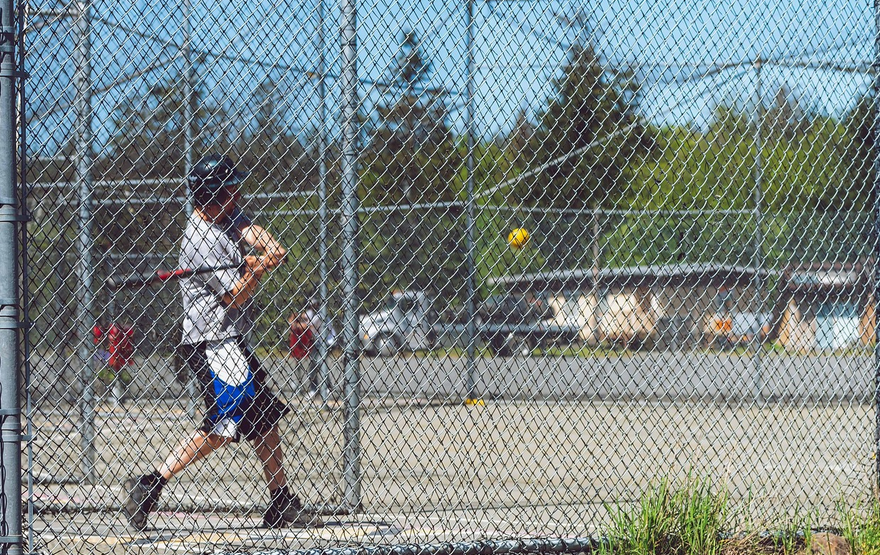
Specialized protective and training equipment, baseball batting cage net are designed to contain baseballs, safeguard spectators, and facilitate practice, usually constructed from heavy-duty nylon or HDPP (High-Density Polypropylene). They range from permanent backstops at stadiums to portable 7×7 foot nets used in backyards for hitting and pitching drills.
Dimensions and Forms
Baseball batting cage net are available in a range of sizes and shapes, designed to meet specific training requirements, from portable 6×6 ft nets suitable for backyard use to 70-foot-long industrial batting cages. The most common shapes are squares, rectangles for cages, and angled ‘sock’ nets for collecting balls.
Portable Hitting and Pitching Training Nets.
The most popular standard size for personal, backyard, or team training is 7′ x 7′.
Ideal for youth players (10 and under) or smaller spaces, measuring 6′ x 6′.
This size is typically used for larger, more experienced athletes who require a wider target.
The I-Screen (7′ x 4′) is specifically designed for pitching protection.
Batting Cage Nets (Dimensions: Length x Width x Height):
Suitable for smaller backyards, options include a 35′ x 12′ x 12′ or a 35′ x 14′ x 12′.
The standard dimensions for high school and softball fields are 55′ x 14′ x 12′ or 55′ x 14′ x 14′.
Standard dimensions for professional/commercial use include 70′ x 14′ x 12′ or 70′ x 14′ x 14′, accommodating full-length pitching.
Backstop/Barrier Netting:
Backyard sizes typically range from 10’x20′ to 10’x30′, whereas larger, custom, or commercial barriers can extend over 100+ feet in length and 15+ feet in height.
Standard shapes associated with baseball batting cage net.
The standard Bow Frame features a wide, square, or rectangular mouth (e.g., 7×7, 8×8) and is typically used for Hitting/Pitching.
Typically, baseball batting cage netare enclosed rectangular boxes, but some portable hitting cages are trapezoidal in shape to maximize the hitting area.
“A sock net is a design that features a deep, tapered pocket in the center to catch and collect balls, often used in conjunction with a bow frame.”
Protective screens, such as I-Screen/L-Screen, have specific shapes, often triangular or angled, to safeguard pitchers during batting practice.
Key Features and Points for Consideration
The standard mesh size for baseballs is 1.5″ to 2″, while 1″ is often used for smaller, softer, or golf balls.
Nylon is often preferred for its superior strength and UV resistance, which lasts 2–5 years, while High-Tenacity Polypropylene (HTPP) is a durable, less expensive alternative.
The Durability Gauge ranges from #21 for light use, #36 for high school, #42 for collegiate or heavy use, to #60+ for professional use, with higher numbers signifying thicker twine.
“Hung-square” nets are simpler to install and retain their shape more effectively, whereas “diamond-hung” nets can provide superior impact absorption.
The most suitable and commonly used colour for UV resistance and visibility is black.
Advantages
Baseball batting cage net provides essential benefits for safety, training effectiveness, and property protection by catching high-speed balls during practice or games. Safety measures are put in place to prevent injuries to spectators and damage to surrounding properties such as cars or buildings. Nets also enhance training by enabling repetitive hitting/pitching practice without having to chase balls, and are more cost-effective and versatile than fencing.
Precautions and Safeguards.
Backstop and side netting safeguard spectators from stray balls and flying bats.
They prevent damage to nearby vehicles, buildings, and facilities.
High-strength, durable materials such as nylon or polyester contain balls, thereby protecting bystanders.
Training and Performance Enhancement.
Netting enables uninterrupted batting and pitching drills, thereby saving time on ball retrieval.
Skill Development assists in enhancing accuracy, swing mechanics, and pitching control.
The equipment is suitable for use both indoors and outdoors, in batting cages, and for dividing fields to accommodate multiple activities at the same time.
Cost-effectiveness and Durability.
A more budget-friendly option: It is often less expensive than chain-link fencing.
Materials designed for durability are often UV-resistant, intended to withstand long-term outdoor exposure without tearing.
Modern, high-quality netting offers or enhances visibility for spectators compared to older, thicker, or rusted fencing.
