
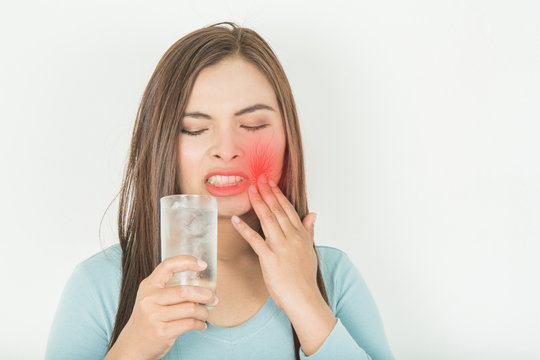
Sensitive teeth can turn simple daily habits like sipping hot coffee, enjoying ice cream, or even brushing your teeth into an uncomfortable experience. That sudden sharp pain is often a sign that your enamel has weakened or your gums have receded, exposing the sensitive inner layer of the tooth. Over time, this can affect not only your comfort but also your overall oral health and confidence.
The good news is that effective sensitive teeth treatment options are available to restore comfort and protect your smile. From advanced in-office procedures at a trusted dental clinic in Murphy to carefully recommended at-home solutions, the right approach can significantly reduce sensitivity. Early evaluation and personalized care can make a noticeable difference, helping you enjoy your favorite foods and drinks again without discomfort.
What Causes Tooth Sensitivity?
Before diving into treatment, it helps to know why sensitivity occurs. Common causes include:
- Enamel erosion: Acidic foods and beverages or aggressive brushing can wear down tooth enamel.
- Gum recession: When gums pull back, the roots of your teeth are exposed, increasing sensitivity.
- Tooth decay or cavities: Small holes or worn fillings can expose the inner layers of teeth.
- Cracked or fractured teeth: Physical damage can lead to nerve exposure and pain.
- Recent dental procedures: Whitening, cleanings, or fillings can temporarily increase sensitivity.
Identifying the cause allows your dentist to recommend the most effective sensitive teeth treatment for your situation.
Professional Sensitive Teeth Treatments
Professional care is often the most effective way to relieve sensitivity, when home remedies aren’t enough.
1. Desensitizing Toothpaste
Dentists often recommend specialized toothpaste for sensitive teeth. These products contain compounds that block nerve transmission from the tooth surface to the nerve, gradually reducing pain. With regular use, relief can appear in a few weeks.
2. Fluoride Treatments
Fluoride strengthens enamel and reduces sensitivity. Your dentist may apply a fluoride varnish or gel directly to your teeth during a visit. These treatments are particularly useful for patients with early enamel erosion or minor cavities.
3. Dental Bonding or Sealants
When tooth wear or gum recession exposes the roots, dentists can apply bonding agents or sealants. These protective coatings cover sensitive areas and prevent further enamel damage.
4. Gum Grafting
For severe gum recession, a periodontist may perform a gum graft. Tissue is taken from the roof of your mouth and used to cover exposed roots. This reduces sensitivity and improves the appearance of your gums.
5. Root Canal Treatment
If sensitivity is extreme and persistent, it may indicate nerve damage. In these cases, a root canal removes the affected nerve and seals the tooth, eliminating pain and preventing infection.
6. Treating Cavities or Cracks
Sometimes, sensitivity comes from cavities, cracks, or worn fillings. Repairing these issues with fillings, crowns, or other dental work removes the source of pain and protects your teeth from further damage.
At-Home Care for Sensitive Teeth
Alongside professional treatments, you can take steps at home to reduce sensitivity:
- Use a soft-bristled toothbrush: Hard bristles can wear down enamel and irritate gums.
- Avoid acidic foods and drinks: Citrus, soda, and wine can erode enamel.
- Practice gentle brushing: Use circular motions and avoid scrubbing aggressively.
- Consistent use of sensitive toothpaste: Daily use
- strengthens tooth protection and reduces nerve pain.
- Rinse with fluoride mouthwash: Helps reinforce enamel and reduce sensitivity.
Even small changes in your oral hygiene routine can make a big difference in comfort over time.
Lifestyle Tips to Prevent Tooth Sensitivity
Preventing further sensitivity is as important as treatment. Here are some practical tips:
- Limit acidic snacks and drinks: Use a straw for acidic beverages to reduce contact with teeth.
- Quit or reduce teeth grinding: Night guards can protect your enamel if you grind your teeth in your sleep.
- Regular dental checkups: Early detection of cavities, cracks, or gum disease prevents worsening sensitivity.
- Maintain good oral hygiene: Brushing twice a day and flossing daily helps prevent decay and gum problems.
- Avoid whitening products if sensitive: Some whitening treatments can exacerbate sensitivity.
When to Seek Professional Help
While mild sensitivity can often be managed at home, you should see a dentist in Murphy if:
- Pain persists despite using desensitizing toothpaste
- Sensitivity interferes with eating, drinking, or brushing
- You notice visible enamel loss, cracks, or gum recession
- Pain is sudden, severe, or localized to one tooth
Prompt evaluation makes sure the underlying cause is treated, preventing long-term dental problems.
Conclusion
Sensitive teeth treatment is available for everyone, from mild home care solutions to advanced professional treatments. Whether it’s desensitizing toothpaste, fluoride treatments, bonding, gum grafting, or even a root canal, the right approach depends on the cause and severity of your sensitivity. In Murphy, options like same day dentist appointments make it easy to get relief quickly. Consultation with a trusted provider like Dr. Mona Ahmedin makes sure proper diagnosis, effective treatment, and long-term dental health.
Frequently Asked Questions (FAQs)
1. What is the most effective treatment for sensitive teeth?
Professional treatments like fluoride application, bonding, or gum grafting are highly effective. Daily use of desensitizing toothpaste also provides long-term relief.
2. Can sensitive teeth be reversed?
While enamel loss cannot be fully restored, treatments and preventive care can significantly reduce discomfort and protect teeth from further damage.
3. How long does it take for desensitizing toothpaste to work?
Most patients notice improvement within 2–4 weeks of consistent use.
4. When should I see an emergency dentist in Murphy for tooth sensitivity?
Seek urgent care if you experience sudden, severe pain, or sensitivity that prevents eating, drinking, or sleeping.
5. Who is the best dentist for sensitive teeth in Murphy?
Dr. Mona Ahmedin is a highly recommended dentist specializing in sensitive teeth, preventive care, and restorative treatments for long-term relief.
About the Author