


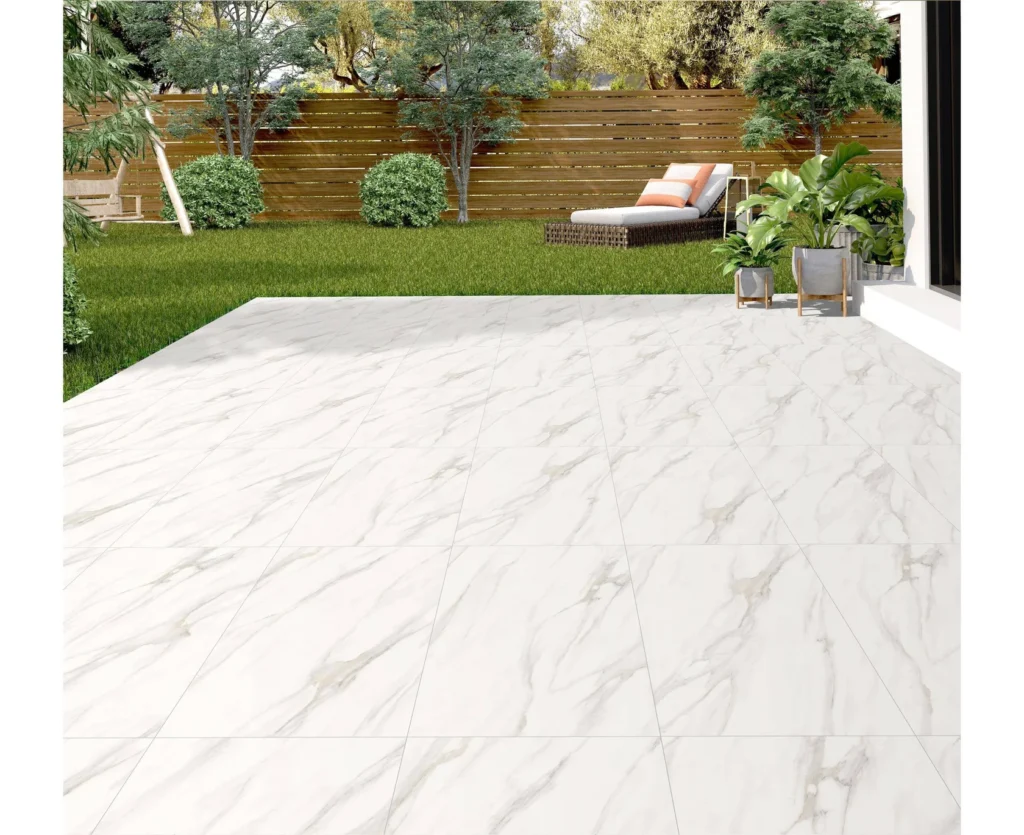
A garden is more than greenery — it’s an extension of your home, a place where everyday life slows down just enough for you to breathe. Whether it’s weekend gatherings with friends, peaceful mornings with a cup of tea, or children playing under open skies, the heart of a functional and inviting garden is a thoughtfully built patio. And what truly defines that patio is the slabs beneath your feet.
Choosing the right slabs for a garden patio isn’t just about laying a surface; it’s about creating a harmonious space that balances beauty, comfort, and durability. You want a surface that is not only visually appealing but also practical, safe, and resilient through changing seasons. Today’s garden paving solutions are designed to meet all these needs, providing homeowners with options that are both stylish and long-lasting.
Leading suppliers such as Porcelain Paving and Slabs offer a wide range of garden patio slabs that allow homeowners to design outdoor areas reflecting their personality and lifestyle. Whether you envision a quiet retreat for reflection, a lively entertainment area for social gatherings, or a versatile space that serves both purposes, the right slabs provide the foundation for memorable outdoor living.
In this expanded guide, we’ll explore why garden patio slabs matter, the types available, design ideas, installation and maintenance tips, practical considerations, and how to choose the perfect slabs that transform your garden into a space you’ll love to live in.
Why Garden Patio Slabs Matter
A garden patio is far more than a decorative feature — it’s the structural backbone of your outdoor living space. Slabs provide stability, define functional zones, and anchor the overall design. Here’s why they matter:
Comfort and Accessibility
Slabs provide a level, stable surface that makes walking, seating, and hosting effortless. Unlike uneven soil or grass, a well-laid slab patio ensures that chairs don’t wobble, children can play safely, and your garden is accessible for people of all ages.
Visual Harmony
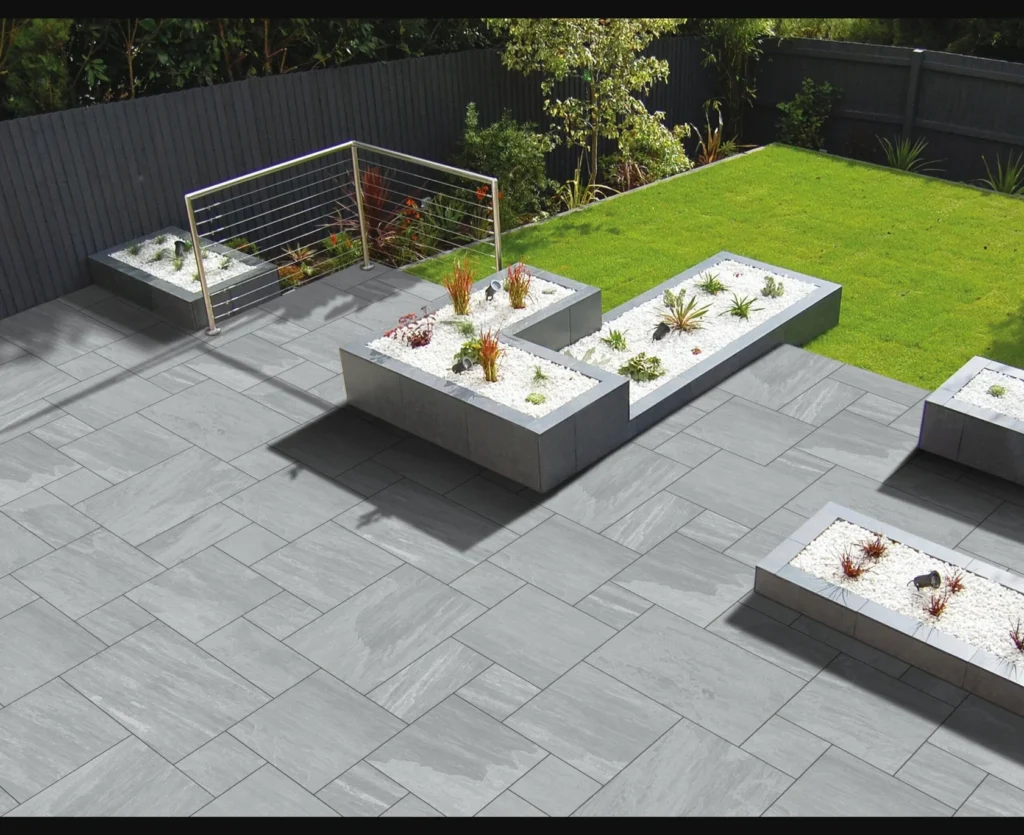
Garden slabs tie the space together, connecting plants, furniture, and pathways into a cohesive visual experience. They can highlight features such as flower beds, water fountains, or decorative sculptures, creating a natural flow throughout your garden.
Longevity
High-quality slabs are resistant to weather, moisture, and everyday wear. They stand up to heavy foot traffic, lawn maintenance equipment, and occasional furniture rearrangements without losing their integrity.
Safety
Many modern slabs come with textured surfaces or anti-slip finishes, reducing the risk of slips and falls in wet or dewy conditions. This is especially important for families with children or elderly residents.
When thoughtfully selected, slabs transform an open garden into a purposeful living area — a space that supports life, leisure, and social connection.
Types of Slabs Ideal for Garden Patios
Today’s garden patios benefit from a wide variety of materials, each offering unique characteristics to match your aesthetic and functional needs.
Natural Stone Slabs
Natural stone is a timeless choice, valued for its organic textures and subtle color variations. Sandstone, limestone, and slate bring warmth and authenticity to your garden, blending seamlessly with plants and greenery.
Porcelain Slabs
Porcelain offers modern appeal with smooth, clean lines and low maintenance. It is highly durable, resistant to stains and scratches, and available in a wide range of colors and finishes — perfect for contemporary garden designs.
Concrete Slabs
Concrete slabs are versatile and budget-friendly. They can be poured and shaped to custom sizes, stained or patterned, and offer long-lasting durability for high-traffic garden areas.
Textured Decorative Slabs
For those who want extra character, decorative or patterned slabs provide visual interest, creating focal points or highlighting specific areas in the garden.
By combining these materials strategically, homeowners can mix and match to create patios that feel both functional and aesthetically pleasing.
Designing a Garden Patio That Feels Inviting
The arrangement and layout of slabs influence not only the visual appeal of a garden but also its usability. A well-planned patio encourages movement, social interaction, and relaxation.
| Layout Style | Atmosphere Created | Best For |
|---|---|---|
| Symmetrical Grid | Clean, structured look | Modern gardens |
| Random Pattern | Natural flow | Cottage-style gardens |
| Large Slabs | Open, spacious feel | Entertaining zones |
| Mixed Borders | Decorative framing | Feature patios |
| Pathway Integration | Seamless movement | Larger landscapes |
Thoughtful layouts ensure your patio feels like an intentional extension of your garden rather than an isolated paved area.
Where Garden Patio Slabs Make an Impact
Slabs aren’t just decorative; they help define functional zones within the garden:
- Dining Patios: Perfect for family meals, brunches, or outdoor dinner parties.
- Relaxation Corners: Loungers or seating areas for reading, meditation, or casual conversations.
- Garden Seating Areas: Bench placements or shaded areas for quiet enjoyment.
- BBQ and Cooking Zones: Durable surfaces for outdoor kitchens and gatherings.
- Pathways: Smooth, level surfaces connecting different areas of the garden.
- Poolside or Water Features: Slip-resistant slabs enhance safety while maintaining elegance.
By zoning your garden with slabs, you can make every area purposeful while keeping the space visually balanced and welcoming.
Installation — The Key to Long-Term Performance
Even the most beautiful slabs require proper groundwork to perform well over time:
Strong Sub-Base
A compacted base prevents shifting, sinking, or uneven settling.
Precision Leveling
Ensures comfort underfoot and stability for furniture and garden features.
Proper Drainage
Slabs must be laid with adequate drainage to avoid water pooling, frost damage, or moss growth.
Joint Alignment
Well-aligned joints maintain durability and aesthetic appeal, preventing slabs from moving or cracking.
Professional installation ensures that your patio remains stable, safe, and visually attractive for years to come.
Maintenance — Keeping Your Patio Fresh
Garden patios are meant to be enjoyed, not constantly maintained. A few simple routines keep them looking pristine:
- Routine Cleaning: Sweeping and washing remove dirt, leaves, and debris.
- Weed Prevention: Keeping joints clean prevents unwanted growth.
- Optional Sealing: Enhances stain resistance and preserves color.
- Seasonal Checks: Inspect for loose or uneven slabs to address minor issues before they escalate.
With minimal effort, your garden patio stays vibrant and welcoming throughout the seasons.
Comparing Garden Patio Options
Homeowners often weigh alternatives like gravel or wooden decking. Here’s why slabs are typically the best choice:
| Feature | Patio Slabs | Gravel | Wooden Decking |
|---|---|---|---|
| Stability | Excellent | Shifts easily | Moderate |
| Maintenance | Low | Medium | High |
| Lifespan | Long | Variable | Moderate |
| Appearance | Highly customizable | Natural texture | Warm aesthetic |
| Weather Resistance | Strong | Moderate | Can warp |
Slabs strike the perfect balance between durability, safety, and aesthetics, making them ideal for any garden.
Eco-Friendly Benefits
Modern patio slabs are increasingly designed with sustainability in mind:
- Long Lifespan: Reduces replacement frequency and waste.
- Efficient Drainage: Promotes soil and plant health.
- Durable Materials: Minimize the environmental footprint.
- Responsible Production Practices: Ensure ethical sourcing and reduced environmental impact.
Choosing quality slabs ensures that your garden is both beautiful and environmentally responsible.
How to Choose the Perfect Garden Patio Slabs
Selecting slabs is a balance of style, function, and practical considerations:
- Size: Large slabs create a modern, spacious feel; smaller slabs allow intricate patterns.
- Color: Neutral tones complement greenery, while bold shades can create focal points.
- Texture: Slip-resistant finishes enhance safety and tactile appeal.
- Thickness: High-traffic areas or spaces with heavy furniture benefit from thicker slabs.
Balancing these factors ensures your patio is visually cohesive, safe, and functional.
The Emotional Value of a Garden Patio
A well-laid patio is more than a design feature; it’s a space that nurtures memories and experiences:
- Family dinners under open skies
- Quiet reading afternoons with the morning sun
- Celebratory gatherings with friends and relatives
- Mindfulness routines in the fresh air
- Children’s laughter and play in a safe, level area
High-quality slabs provide a comfortable foundation that allows these moments to happen effortlessly.
Frequently Asked Questions
Q1: Do garden patio slabs handle extreme weather?
Yes — premium slabs resist rain, sun, and temperature changes.
Q2: Are they safe in wet garden conditions?
Most slabs include slip-resistant textures for safety.
Q3: Can slabs support heavy furniture?
Absolutely, when installed correctly on a solid sub-base.
Q4: Will colors fade over time?
High-quality slabs maintain their appearance with minimal fading.
Q5: Is professional installation necessary?
It is strongly recommended for durability, alignment, and proper drainage.
Conclusion
Slabs for a garden patio are more than paving materials — they shape how you experience your outdoor space. When thoughtfully selected, installed, and maintained, they transform gardens into welcoming extensions of your home, where relaxation, connection, and celebration can occur naturally.
A well-built patio balances beauty, reliability, and function, creating an environment that invites you outdoors again and again. With the right slabs, your garden becomes a space you’ll truly live in, not just admire.
Invoice Factoring Market Demand Trends and Revenue Forecast 2025-2032
How Do You Choose the Best Pilates Class Near You?
Essential Steps for a Luxury Pool Remodeling and Renovation
Can Our Bodies Heal Themselves Through Upper Cervical Care
Best Aesthetic Clinic in Dubai Creates Natural-Looking Thread Lift
About the Author