




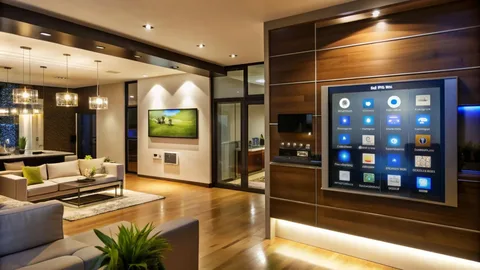
Smart home automation promises convenience and efficiency, but delivering those benefits consistently requires discipline: clear goals, the right infrastructure, sensible device selection, and human-centered automation rules. A focused Smart home automation deployment can reduce energy bills, improve safety, and make daily life simpler, but only when it is designed to be robust against network outages, easy for everyone in the household to use, and built with privacy in mind. This article explains how to plan a smart home automation project that becomes a reliable partner in daily life rather than an intermittent novelty.
Clarify the practical benefits you want from smart home automation
Begin by identifying the three or four outcomes that matter most: reduce energy costs, improve home security, simplify caregiving for a family member, or create consistent lighting and media scenes. Prioritize features that change behavior — scheduled HVAC setbacks, automated lighting for evening routines, or smart locks with temporary access codes — and deprioritize novelty items that add little daily value. Clear priorities guide budget choices and avoid chasing every new device that appears on the market.
Architecture: the network and controllers that power smart home automation
The network is the nervous system of smart home automation. Invest in a wired backbone where possible, run Ethernet to media centers and hubs, and use PoE for cameras and access points. Choose a reliable central controller or hub that supports local automation rules and multiple protocols. A controller that can run logic internally preserves essential functions during internet outages. Segment IoT devices on separate networks and protect the central controller with a UPS. These architectural choices reduce downtime and make smart home automation reliable.
Protocols and interoperability: reduce friction by planning ahead
Smart home automation relies on a mix of Wi-Fi, Zigbee, Z-Wave, Thread, and occasionally proprietary systems. Select devices and hubs that embrace open standards and have clear upgrade paths. The Matter standard helps bridge ecosystems — favor devices that support Matter or have vendor commitments to adopt it. Avoid committing your house to a single cloud-dependent ecosystem for critical features like access control or security, and favor local control for features that matter most.
Device selection: reliability, privacy, and update policies
Choose devices from vendors with good firmware support and clear privacy practices. Cheap, anonymous devices can create long-term headaches through lack of updates or insecure defaults. For cameras and doorbells, prefer options with strong encryption and configurable storage policies. For locks, prioritize mechanical quality and battery life. For thermostats, ensure compatibility with your HVAC system and a history of reliable scheduling. Investing in trusted devices reduces long-term maintenance and improves the overall trust in your smart home automation setup.
Human-centered automation design
Design automations that match daily life rather than forcing new behavior. Use gradual automation strategies: begin with simple, high-value automations and expand only after those are insulated and reliable. Provide clear manual overrides, use wall-mounted controls for common scenes, and document standard operations for family members. Respect habits — if someone prefers manual control in certain rooms, incorporate that preference rather than attempting to replace it. Human-centered design increases adoption and reduces frustration.
Security and privacy: configuring smart home automation safely
Security is not an add-on; it is part of the initial configuration. Use strong account credentials, unique passwords for devices, and enable two-factor authentication where available. Isolate IoT devices on a separate VLAN, minimize unnecessary cloud exposure for critical devices, and keep an inventory of device firmware versions and update schedules. Consider local storage for sensitive camera footage and audit user access regularly. A secure setup protects both privacy and the physical safety the automation is meant to provide.
Managing voice assistants in smart home automation
Voice assistants are powerful but must be managed carefully. Define consistent voice command patterns, limit voice automation around sensitive actions like door unlocks unless multi-factor checks are in place, and provide fallback physical controls for guests. For households with children, manage voice assistant settings and ensure privacy features meet your expectations. Thoughtful voice assistant design makes smart home automation more usable without creating security gaps.
Edge cases and resilience planning
Plan for outages and edge cases. Configure fallback behaviors for power and network loss — lights should still work manually, and locks should have mechanical or keypad fallbacks. Test automations under degraded conditions during commissioning. Keep a short troubleshooting guide for the household that covers common issues like resetting a hub or reconnecting access points. Resilience planning prevents small interruptions from eroding trust in your smart home automation system.
Lifecycle management: firmware, batteries, and replacements
Smart home automation is an ongoing commitment. Schedule periodic firmware checks, replace batteries proactively in locks and sensors, and plan for device replacement when a vendor ceases updates. Keep a simple inventory of devices, serial numbers, and purchase dates so you can track warranties and end-of-life timelines. For larger systems, consider a maintenance plan with a local integrator who can handle updates and emergency support.
UX, documentation, and training
Provide household members with a quick-start guide and a map of primary controls. Show how to trigger key scenes and how to generate and revoke guest access. For families, run a short walkthrough to ensure everyone knows how to use wall keypads, voice commands, and mobile apps. Good UX and plain-language documentation increase comfort and reduce the number of support calls.
Cost structure and phasing for smart home automation
Build in phases. Start with essential infrastructure and the most impactful automations, then add features over time. This approach delivers value early, reduces risk, and spreads cost. Evaluate payback where applicable — zoned climate control and automated shades often show measurable energy savings, while convenience features may provide intangible benefits like time saved and reduced stress.
Case study: practical smart home automation for a multigenerational household
A multigenerational family needed safety features for an aging parent while preserving independence. The smart home automation plan began with improved lighting automation in hallways, a camera system with local storage and privacy zones, and smart locks configured with temporary codes for caregivers. Thermostats were zoned with gentle pre-heating for morning routines. The system prioritized local control so daily life continued during internet outages and included physical keypads for the parent to use easily. This targeted approach balanced autonomy, safety, and privacy while delivering measurable quality-of-life improvements.
Avoiding common mistakes
A frequent mistake in smart home automation is over-reliance on cloud features for basic functionality, which creates brittle systems. Another is ignoring network capacity and failing to isolate IoT devices, which invites security risks. Overcomplicated automations with conflicting triggers also break trust. Avoid these errors by prioritizing local control, robust networking, and simple, well-tested automations.
Measuring success: what to monitor
Measure success by whether the automations are used, whether energy patterns improve when energy savings are an objective, and whether incidents (like late-night falls or missed deliveries) are reduced. Collect simple metrics: energy consumption, number of times a scene is used, or number of manual overrides. These signals tell you whether smart home automation is producing meaningful outcomes.
Conclusion
Smart home automation delivers real value when it’s designed for people, built on sturdy infrastructure, and secured with privacy and resilience in mind. Start with clear outcomes, invest where reliability matters, phase the installation, and maintain the system over time. When approached as long-term infrastructure rather than a collection of toys, smart home automation becomes a dependable partner that simplifies life, improves safety, and saves energy.
About the Author