



Stormwater Management Plan Strategies for San Mateo, CA Properties
Effective stormwater management is a critical component of sustainable urban planning, particularly in areas like San Mateo, CA, where seasonal rainfall can create challenges for both residential and commercial properties. A well-designed stormwater management plan ensures proper drainage, reduces the risk of flooding, and protects local water quality. Homeowners, landscapers, and developers alike benefit from understanding how these strategies work and why they are essential.
Understanding Stormwater Management
Stormwater management involves controlling and directing rainwater and runoff to minimize its impact on the environment and built infrastructure. Without proper planning, rainwater can lead to soil erosion, flooding, and contamination of water bodies. A comprehensive stormwater management plan addresses these issues through a combination of structural and non-structural approaches.
Key Goals of a Stormwater Management Plan
- Flood Mitigation: Preventing water from pooling around structures or streets.
- Water Quality Protection: Reducing pollutants like fertilizers, oils, and debris from entering natural waterways.
- Erosion Control: Stabilizing soil in areas with heavy runoff to prevent landscape degradation.
- Sustainable Landscaping: Integrating water-efficient design with drainage solutions.
Stormwater Challenges in San Mateo, CA
San Mateo experiences a Mediterranean climate, with wet winters and relatively dry summers. This variability presents unique challenges for managing stormwater:
- Heavy Winter Rainfall: Storms can produce sudden surges of water, especially in urban areas with impervious surfaces like roads and rooftops.
- Soil Saturation and Runoff: Certain areas in San Mateo have clay-rich soils, which are prone to slow absorption and higher surface runoff.
- Urban Development: Increased pavement and reduced green space amplify stormwater issues, making well-planned drainage systems essential.
These local conditions necessitate tailored stormwater solutions that address both immediate risks and long-term sustainability.
Components of a Stormwater Management Plan
A comprehensive stormwater management plan integrates multiple strategies to handle rainfall effectively:
1. Permeable Surfaces and Paving
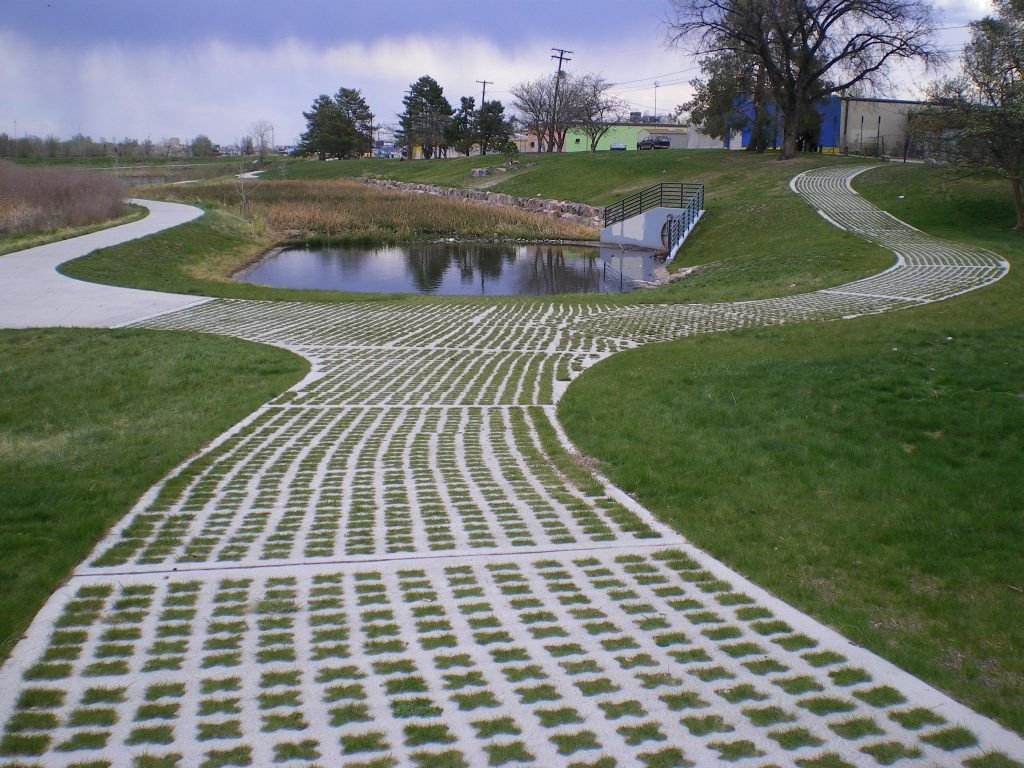
Permeable paving materials, such as porous concrete or gravel, allow water to infiltrate the ground rather than flow directly into storm drains. Implementing permeable surfaces in driveways, walkways, and parking areas reduces runoff and replenishes groundwater naturally.
2. Rain Gardens and Bioretention Areas
Rain gardens are shallow, vegetated depressions designed to capture and filter rainwater. These installations not only manage runoff but also support local biodiversity by providing habitat for pollinators and beneficial insects.
3. Green Roofs
Green roofs, which are covered with plants, absorb rainwater and slow its release into drainage systems. These roofs are particularly useful for commercial buildings in urban centers, reducing strain on city infrastructure.
4. Detention and Retention Ponds
Retention ponds hold water permanently, while detention ponds temporarily store excess stormwater and release it gradually. Both help reduce peak flows during heavy rainfall events and prevent downstream flooding.
5. Rainwater Harvesting
Collecting rainwater in cisterns or barrels allows homeowners to reuse it for irrigation or non-potable purposes. This method reduces dependency on municipal water and minimizes runoff.
6. Proper Grading and Drainage
Ensuring that properties are correctly graded so water flows away from structures is fundamental. Combining grading with drains, gutters, and swales ensures efficient water management.
Implementing a Stormwater Management Plan in San Mateo, CA
Property owners in San Mateo can benefit from professional guidance when designing a stormwater management plan. Companies like Gerardo Mariona specialize in creating tailored solutions that address both aesthetic and functional needs.
Here’s a practical approach to implementation:
- Site Assessment: Evaluate soil type, topography, vegetation, and existing drainage systems.
- Plan Development: Identify suitable stormwater solutions, from rain gardens to permeable paving.
- Regulatory Compliance: Ensure compliance with local San Mateo stormwater regulations and guidelines.
- Installation: Implement the selected solutions, carefully integrating them with existing landscaping and infrastructure.
- Maintenance: Regular inspections, debris removal, and system upkeep are essential for long-term performance.
By following these steps, property owners can significantly reduce flood risks, improve water quality, and enhance the overall sustainability of their landscapes.
Benefits of Effective Stormwater Management
A well-executed stormwater management plan provides multiple advantages:
- Reduced Flooding: Properly managed runoff prevents water from pooling around homes and streets.
- Environmental Protection: Filtering pollutants before they reach rivers and bays protects local ecosystems.
- Cost Savings: Preventing water damage reduces repair costs and extends the life of landscaping and infrastructure.
- Enhanced Property Value: Properties with sustainable water management systems are often more attractive to buyers.
- Compliance with Regulations: Meeting city and state stormwater requirements avoids penalties and ensures community safety.
For those in San Mateo looking to combine these benefits with aesthetic landscaping, checking local projects like stormwater management in San Mateo can provide inspiration and practical guidance.
Advanced Stormwater Techniques
For larger properties or commercial developments, advanced techniques may be required:
Subsurface Drainage Systems
Underground drainage pipes and French drains efficiently redirect water away from foundations and landscape areas. These systems are particularly useful in areas with poor natural drainage.
Smart Stormwater Systems
Emerging technologies allow real-time monitoring of stormwater levels and flow rates. Automated gates and pumps can manage water dynamically, reducing the risk of flooding during extreme weather events.
Bioswales
Bioswales are linear channels planted with native vegetation that slow down and filter stormwater. They are effective along streets, parking lots, and large property perimeters.
Local Considerations for San Mateo Property Owners
When designing a stormwater management plan in San Mateo, local conditions must be considered:
- Rainfall Patterns: Winter storms require robust detention and retention measures.
- Soil Composition: Clay-heavy soils necessitate systems that enhance infiltration.
- Urban Density: Properties with limited green space benefit from vertical or rooftop solutions.
Integrating local knowledge with professional expertise ensures that stormwater management systems are both effective and environmentally responsible.
Choosing the Right Professionals
Professional guidance is key for effective stormwater management. Companies like Gerardo Mariona bring experience in landscaping and drainage solutions tailored for San Mateo’s unique climate and urban environment. Working with experts ensures compliance with regulations, proper system design, and ongoing maintenance support.
Evaluating a Service Provider
- Experience with Local Conditions: Understanding San Mateo’s climate and soil is critical.
- Range of Solutions: From rain gardens to advanced drainage systems.
- Maintenance Support: Ongoing support ensures longevity of the system.
By choosing the right service provider, property owners can enjoy both functional and visually appealing landscapes.
Environmental and Community Benefits
A properly implemented stormwater management plan contributes not just to individual properties but also to the broader community:
- Protects Waterways: Prevents pollutants from entering local rivers and bays.
- Reduces Urban Heat: Green roofs and vegetated areas help cool urban areas.
- Supports Biodiversity: Rain gardens and bioswales provide habitats for birds and insects.
- Enhances Public Safety: Reduced flooding protects roads, sidewalks, and homes.
These benefits underscore the importance of stormwater management as a cornerstone of sustainable urban living.
Common Mistakes to Avoid
When designing or implementing a stormwater management plan, homeowners often make errors such as:
- Overlooking maintenance requirements.
- Failing to assess soil and drainage properly.
- Ignoring local regulations and permitting needs.
- Choosing solutions that don’t align with property size or usage.
By avoiding these pitfalls, property owners can ensure that their stormwater systems remain effective and long-lasting.
FAQs on Stormwater Management Plans
- What is a stormwater management plan?
A strategy to control rainwater runoff, prevent flooding, and protect water quality. - Why is it important in San Mateo, CA?
Due to seasonal rainfall and urban development, proper drainage is essential to prevent flooding and erosion. - What are common stormwater solutions?
Rain gardens, permeable paving, detention ponds, green roofs, and rainwater harvesting systems. - How does soil type affect stormwater management?
Clay-rich soils absorb water slowly, increasing runoff, whereas sandy soils allow faster infiltration. - Can I install a system myself?
Simple solutions like rain barrels or rain gardens may be DIY, but professional input ensures proper design and compliance. - How often should stormwater systems be maintained?
At least once or twice a year, and after major storms, to remove debris and ensure proper flow. - Do stormwater plans improve property value?
Yes, functional and sustainable water management systems enhance landscape appeal and long-term property resilience. - Are there regulations I need to follow?
Yes, local San Mateo codes may require permits and compliance with stormwater management standards. - What is the cost range for implementing a stormwater system?
Costs vary widely depending on property size, system complexity, and professional involvement. - Who can I contact for professional stormwater management services?
Gerardo Mariona provides tailored solutions for San Mateo properties.
About the Author