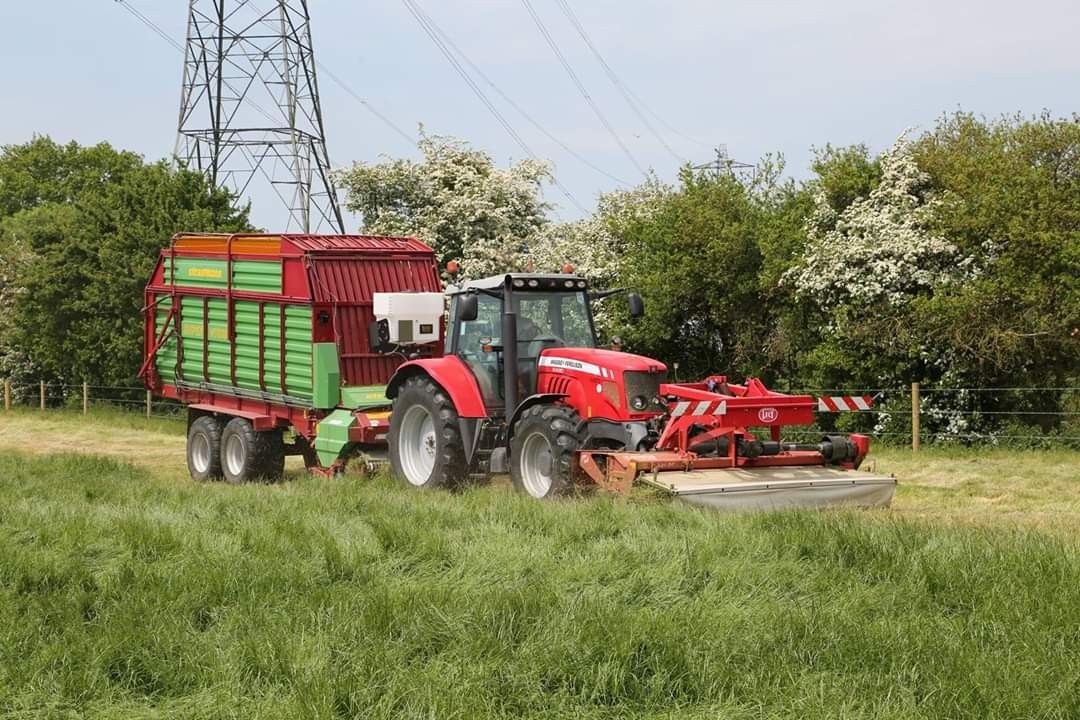
The UK agricultural sector is a highly mechanised industry, operating under extreme time pressures dictated by planting and harvest cycles. Its continuous operation relies fundamentally on an uninterrupted supply of fuel and lubricants for a vast fleet of machinery, from high-horsepower tractors and combine harvesters to stationary generators. The companies that supply this critical energy form the bedrock of the sector’s operational efficiency, managing the complex logistics of delivering rebated fuel, known as red diesel or gas oil, to remote rural locations. More than just fuel providers, these agricultural diesel suppliers are integral parts of a larger industrial oil supplier network, offering a comprehensive suite of products and services that keep the UK’s farming industry moving.
The Regulatory Landscape of Agricultural Diesel
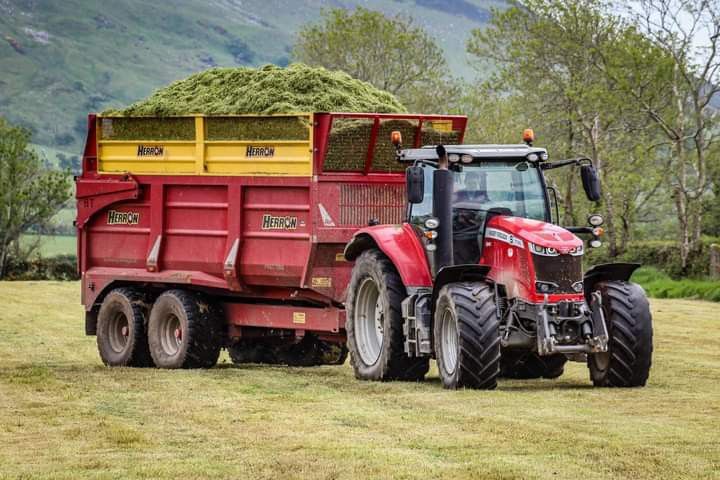
Agricultural diesel, or red diesel, is chemically similar to standard road diesel (white diesel) but is subject to a significantly reduced fuel duty rate. This rebate is crucial for maintaining the economic viability of the agricultural sector. However, this tax relief comes with strict rules on its permitted use, a landscape that was significantly altered in April 2022. Under UK law, the use of red diesel is now restricted almost exclusively to qualifying purposes in agriculture, horticulture, forestry, and fish farming. This regulatory framework places a heavy burden of responsibility on both the farmer and the agricultural diesel supplier. Suppliers must be registered with HMRC as Registered Dealers in Controlled Oils (RDCO) and ensure that their customers are legitimate users, which involves documentation and compliance checks. Their expertise in advising farmers on legal usage and the risks associated with misuse is a vital part of the service provided.
Beyond the Tank: The Industrial Oil Supplier Connection
The modern farmer requires more than just fuel; their high-value, complex machinery demands specialist lubrication and industrial oils to prevent costly downtime. This is where the core function of an agricultural diesel supplier intersects with the services of an industrial oil supplier. These integrated companies offer an expansive range of lubricants designed specifically for farm machinery, including Super Universal Tractor Oils (SUTO) that cover engine, transmission, and hydraulic systems, as well as Universal Tractor Transmission Oils (UTTO) and various specialised greases. The performance requirements for these products are stringent, as farm equipment operates under immense load, dust, and temperature variation. A reputable industrial oil supplier provides quality-assured, often custom-blended lubricants, extending component life, enhancing machinery efficiency, and ultimately reducing the total cost of ownership for the farmer.
Reliability and Logistics in Rural Fuel Delivery

The challenge of domestic fuel delivery in the agricultural context is unique due to the seasonal spikes in demand and the remote nature of farm locations. During busy periods like harvest, a delay of even a few hours in receiving red diesel can cost a farm thousands of pounds in lost productivity. Agricultural diesel suppliers have built their networks around this need for prompt, reliable delivery. They employ a range of tanker sizes to access fields and farmyards with restricted access and offer flexible services such as 24/7 emergency deliveries and guaranteed 24-48 hour turnaround times. Many suppliers also offer fuel management services, using tank telemetry and consumption monitoring to automatically schedule deliveries, ensuring the farm never runs dry. This high level of logistical planning and commitment to uptime is what sets leading suppliers apart in the competitive UK market.
Embracing the Future: Sustainable and Alternative Fuels
While red diesel remains the dominant fuel for farm machinery, agricultural diesel suppliers are increasingly diversifying their offerings to support the sector’s eventual transition to lower-carbon alternatives. Many suppliers are now capable of delivering Hydrotreated Vegetable Oil (HVO), a “drop-in” renewable diesel that can significantly reduce greenhouse gas emissions without requiring major engine modifications. By integrating HVO and other sustainable lubricants, the suppliers demonstrate their commitment to the sector’s long-term sustainability. They are thus evolving their role from merely transactional fuel providers to strategic energy partners, guiding UK farmers through the complex journey of decarbonising their operations while maintaining productivity.
