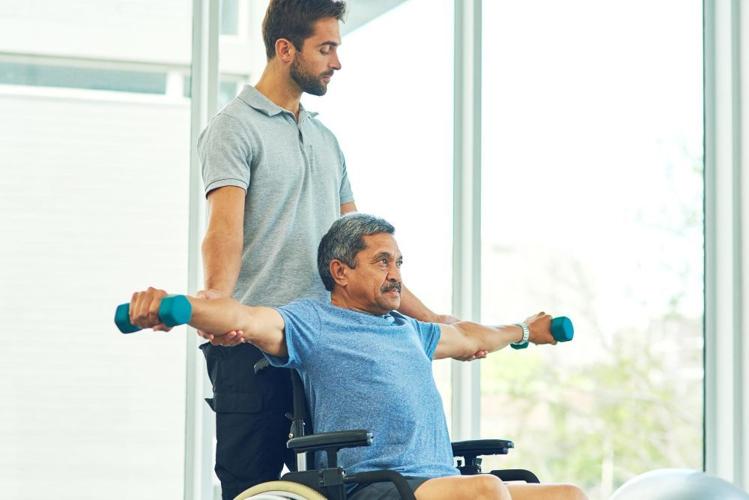
Aging is a natural part of life, and with it comes a variety of changes that affect physical health, emotional well-being, and daily routines. While many senior citizens strive to remain independent and active, they often need additional assistance as they grow older. Everyday activities such as cooking, bathing, walking, or managing medications can become difficult due to age-related health conditions and reduced mobility.
In today’s busy world, families face increasing challenges when it comes to providing constant care for their elderly loved ones. Work responsibilities, travel, and personal commitments can make it difficult to be available at all times. Even though family members deeply care about their elders, they may not always have the training or time needed to provide specialized assistance.
This is where professional caretakers for senior citizens become extremely valuable. These caregivers are trained to support elderly individuals in their daily lives, helping them maintain independence while ensuring their safety, comfort, and emotional well-being.
Understanding the Role of a Senior Citizen Caretaker
A caretaker for senior citizens is a trained professional who assists elderly individuals with everyday tasks and personal care. Their role goes beyond physical assistance—they also provide companionship, emotional support, and supervision to ensure seniors remain safe and comfortable.
Caretakers work closely with families to understand the specific needs of each senior and provide personalized care accordingly. They help seniors maintain routines, manage health conditions, and stay engaged in activities that promote physical and mental well-being.
Some of the key responsibilities of caretakers include:
- Assisting with daily activities
- Providing personal hygiene support
- Preparing healthy meals
- Offering medication reminders
- Providing companionship and emotional support
- Helping with mobility and movement
Through these services, caretakers help seniors live more comfortable and fulfilling lives.
Challenges Faced by Senior Citizens
As people grow older, they may encounter several challenges that affect their daily lives. Understanding these challenges helps families recognize the importance of proper caregiving support.
Reduced Mobility
Many seniors experience joint pain, arthritis, or muscle weakness that makes movement difficult. Walking, climbing stairs, or standing for long periods may become physically exhausting.
Caretakers assist seniors with mobility to ensure they move safely within their homes.
Chronic Health Conditions
Older adults often live with long-term health conditions such as diabetes, hypertension, heart disease, and respiratory problems. Managing these conditions requires consistent medication and monitoring.
Caretakers help ensure seniors follow their treatment routines and maintain healthy habits.
Emotional and Social Isolation
Loneliness is one of the most common issues faced by elderly individuals. Seniors who live alone may feel disconnected from family and society.
Regular interaction with a caregiver provides emotional support and helps reduce feelings of isolation.
Difficulty Performing Daily Tasks
Simple activities like cooking, cleaning, or bathing can become difficult for seniors with limited mobility or energy.
Caretakers assist with these tasks while respecting the dignity and independence of the elderly individual.
Daily Support Provided by Caretakers
Professional caregivers help senior citizens manage their everyday routines with comfort and ease. Their support helps seniors maintain independence while ensuring safety and well-being.
Personal Care Assistance
Maintaining hygiene and grooming is important for both health and confidence. Caretakers help seniors with bathing, dressing, grooming, and other personal care activities.
They provide assistance respectfully while ensuring the senior’s privacy and comfort.
Meal Preparation and Nutrition
Proper nutrition becomes increasingly important as people age. Seniors require balanced meals that provide essential nutrients and support their overall health.
Caretakers prepare nutritious meals and ensure seniors eat regularly. They may also follow dietary guidelines recommended by healthcare professionals.
Medication Reminders
Many elderly individuals need to take medications multiple times a day. Missing doses or taking incorrect medications can lead to serious health complications.
Caretakers ensure seniors follow their medication schedules and take the correct dosage at the right time.
Household Assistance
Light household chores can become physically demanding for seniors. Caretakers often assist with organizing living spaces, light cleaning, laundry, and other household tasks.
A clean and organized environment contributes to both safety and comfort.
Emotional Support and Companionship
Emotional well-being plays a major role in the overall health of senior citizens. Many elderly individuals feel lonely due to reduced social interaction or the loss of close friends and family members.
Caretakers provide companionship and emotional support that helps seniors feel valued and cared for.
Some common activities caregivers engage in with seniors include:
- Talking and sharing stories
- Reading books or newspapers
- Listening to music
- Watching television together
- Playing simple games
These interactions help improve mood, reduce stress, and keep seniors mentally active.
Ensuring Safety for Elderly Individuals
Safety is one of the most important aspects of elder care. Seniors are more vulnerable to accidents, especially falls, which can lead to serious injuries.
Caretakers help create a safe environment by assisting seniors with movement and identifying potential hazards in the home.
Some safety measures include:
- Helping seniors walk safely
- Ensuring floors are free from obstacles
- Providing support when climbing stairs
- Assisting seniors when getting in and out of bed
These precautions greatly reduce the risk of injuries.
Encouraging Healthy and Active Living
Remaining active is essential for maintaining good health during old age. Caretakers encourage seniors to participate in activities that promote physical and mental wellness.
These activities may include:
- Light stretching exercises
- Short walks around the house or garden
- Breathing exercises or meditation
- Engaging in hobbies like painting or knitting
Such activities help seniors maintain mobility, improve mood, and stay mentally engaged.
Supporting Seniors with Medical Needs
Many elderly individuals require ongoing medical care or recovery support after surgery or illness.
Caretakers help seniors manage these medical needs by:
- Monitoring physical symptoms
- Providing medication reminders
- Assisting with rehabilitation exercises
- Accompanying seniors to doctor appointments
Although caregivers are not medical professionals, their daily presence allows them to notice health changes early and report them to family members or doctors.
Families seeking reliable support often choose caretaker for senior citizens services to ensure their elderly loved ones receive professional and compassionate assistance.
These services provide trained caregivers who understand the physical and emotional needs of elderly individuals.
Benefits of Hiring Professional Caretakers
Professional caregiving services offer numerous benefits for both seniors and their families.
Personalized Attention
Every senior has unique needs. Caretakers provide individualized support that is tailored to the health conditions and lifestyle preferences of each person.
Comfort and Familiarity
Remaining at home allows seniors to stay surrounded by familiar environments and memories, which improves emotional well-being.
Peace of Mind for Families
Knowing that trained professionals are caring for their loved ones gives families confidence and reassurance.
Improved Quality of Life
With proper support, seniors can continue to enjoy daily activities and maintain independence for longer periods.
The Growing Demand for Senior Care
The aging population in India is increasing rapidly. As life expectancy rises, more families are recognizing the need for reliable elder care services.
Urban areas especially face challenges due to busy lifestyles and limited time for caregiving. Professional caretakers provide a practical solution that ensures seniors receive proper attention and care.
As awareness grows, more families are choosing professional caregiving services to support their elderly relatives.
The Future of Elder Care
The future of elder care is likely to combine traditional caregiving with modern technology. Health monitoring devices, telemedicine, and digital communication tools are making it easier for caregivers to provide efficient care.
However, the human aspect of caregiving will always remain the most important element. Compassion, patience, and understanding are essential qualities that help caregivers build meaningful relationships with seniors.
As society continues to evolve, elder care services will play an increasingly important role in supporting aging populations.
Conclusion
Providing proper care for senior citizens is one of the most meaningful responsibilities families can undertake. Elderly individuals deserve dignity, respect, and compassionate support as they navigate the later stages of life.
Professional caretakers help ensure that seniors receive the assistance they need while maintaining independence and comfort in their own homes. Their presence improves safety, promotes emotional well-being, and enhances the overall quality of life for elderly individuals.
For families, hiring professional caregivers provides peace of mind and allows them to focus on spending quality time with their loved ones rather than feeling overwhelmed by caregiving responsibilities.
With the right support system in place, seniors can continue to live fulfilling and happy lives surrounded by care, respect, and companionship.
