

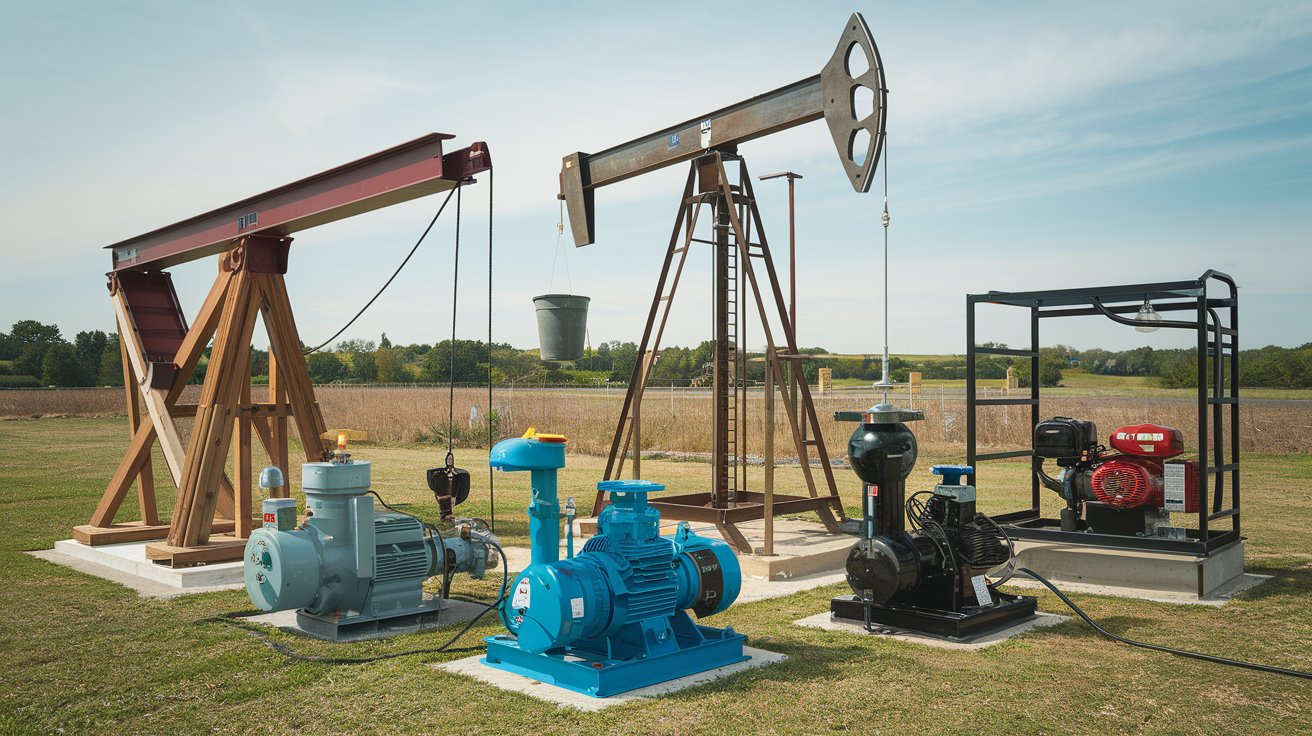
Energy production has always been a story of adaptation, an ongoing effort to extract more from reservoirs that gradually lose their natural pressure over time. In this evolving landscape, artificial lift systems have emerged as a cornerstone technology, enabling operators to sustain production, enhance recovery, and maximize the value of oil and gas assets.
From early mechanical methods to today’s intelligent, data-driven systems, artificial lift technologies have undergone a remarkable transformation. This evolution reflects not only technological progress but also the industry’s commitment to efficiency, sustainability, and operational excellence.
Understanding Artificial Lift Systems
Artificial lift systems are designed to increase the flow of fluids from a well when natural reservoir pressure is insufficient. As wells mature, the energy that initially drives hydrocarbons to the surface diminishes, making artificial assistance essential.
These systems work by either reducing bottom-hole pressure or directly lifting fluids to the surface. Over time, they have become more advanced, incorporating automation and real-time monitoring to optimize performance and reduce downtime.
In modern operations, Artificial Lift Solutions are tailored to specific reservoir conditions, ensuring that each well operates at peak efficiency. This customization has become a defining feature of contemporary energy production strategies.
Early Developments and Mechanical Foundations
The origins of artificial lift can be traced back to simple mechanical devices such as beam pumps. These systems relied on basic reciprocating motion to lift fluids and were widely used due to their simplicity and reliability.
While effective, early systems had limitations in terms of depth capability and efficiency. They required frequent maintenance and were not suitable for complex or deepwater environments. However, they laid the foundation for future innovations by demonstrating the value of assisted production.
As the industry expanded into deeper and more challenging reservoirs, the need for more advanced solutions became evident. This demand drove the development of new technologies capable of handling greater pressures and volumes.
Advancements in Electric Submersible Pumps (ESPs)
Electric Submersible Pumps marked a significant leap forward in artificial lift technology. These systems consist of a downhole pump powered by an electric motor, capable of handling high flow rates and operating at considerable depths.
ESPs are particularly effective in wells with high production volumes, making them a preferred choice for many offshore and onshore operations. Their ability to operate continuously with minimal intervention has improved overall efficiency.
Modern ESP systems are equipped with sensors that provide real-time data on temperature, pressure, and flow rates. This data-driven approach allows operators to make informed decisions and optimize performance, reducing the risk of failures.
The Rise of Gas Lift Technology
Gas lift systems introduced a different approach to artificial lift by injecting gas into the wellbore to reduce fluid density. This reduction allows reservoir pressure to push fluids to the surface more easily.
One of the key advantages of gas lift is its flexibility. It can be used in a wide range of well conditions and is particularly effective in deviated or horizontal wells. Additionally, gas lift systems are less prone to mechanical failures compared to some other lift methods.
Over time, advancements in gas injection techniques and control systems have enhanced the efficiency of this method. Operators can now precisely regulate gas flow, ensuring optimal performance and minimal waste.
Hydraulic and Progressive Cavity Pumps
Hydraulic pumping systems and progressive cavity pumps (PCPs) have further expanded the range of artificial lift options available to the industry. Each system offers unique advantages depending on the characteristics of the reservoir and the type of fluids being produced.
Hydraulic pumps use pressurized fluid to drive downhole pumps, making them suitable for deep wells and challenging conditions. PCPs, on the other hand, are ideal for handling viscous fluids and solids, such as heavy oil and sand-laden production.
These systems have become essential tools in unconventional reservoirs, where traditional methods may not be effective. Their adaptability and efficiency have contributed significantly to the industry’s ability to access previously untapped resources.
Integration of Digital Technologies
The integration of digital technologies has been a game-changer in the evolution of artificial lift systems. Sensors, data analytics, and automation have transformed how these systems are monitored and controlled.
Real-time data collection enables operators to detect anomalies, predict failures, and optimize performance. Advanced algorithms can analyze vast amounts of data to identify patterns and recommend adjustments, improving efficiency and reducing costs.
Automation has also reduced the need for manual intervention, allowing for more consistent and reliable operations. This shift toward digitalization is helping companies achieve higher levels of productivity and operational excellence.
Enhancing Efficiency and Production Optimization
One of the primary goals of artificial lift systems is to maximize production while minimizing costs. Modern technologies have made it possible to achieve this balance more effectively than ever before.
By selecting the right lift method and optimizing its operation, companies can significantly increase recovery rates. This is particularly important in mature fields, where maximizing output from existing wells is a top priority.
In addition, improved system design and materials have extended the lifespan of artificial lift equipment, reducing the frequency of replacements and maintenance. This contributes to overall cost savings and improved return on investment.
Role in Unconventional and Deepwater Resources
As the energy industry explores more complex reservoirs, artificial lift systems have become indispensable. In unconventional resources such as shale formations, these systems enable production from wells that would otherwise be uneconomical.
Deepwater operations also rely heavily on advanced artificial lift technologies. The extreme conditions in these environments require robust and reliable systems capable of operating under high pressure and temperature.
The ability to adapt to different environments and reservoir conditions has made artificial lift a critical component of modern energy production strategies.
Environmental Considerations and Sustainability
Sustainability has become a key focus in the energy sector, and artificial lift systems are evolving to meet this challenge. New technologies are designed to reduce energy consumption, minimize emissions, and improve overall efficiency.
For example, energy-efficient motors and optimized operating parameters can significantly reduce the environmental footprint of artificial lift systems. Additionally, improved monitoring capabilities help prevent leaks and other environmental incidents.
By aligning operational efficiency with environmental responsibility, the industry is working toward a more sustainable future.
Future Trends and Innovations
The future of artificial lift systems is closely tied to ongoing technological advancements. Artificial intelligence, machine learning, and the Internet of Things (IoT) are expected to play a major role in shaping the next generation of solutions.
Fully autonomous systems capable of self-optimization are becoming a reality. These systems can adjust their operation based on real-time data, ensuring optimal performance without human intervention.
In addition, advancements in materials and design are leading to more durable and efficient equipment. As these innovations continue to evolve, artificial lift systems will become even more integral to energy production.
Conclusion
The evolution of artificial lift systems reflects the energy industry’s ability to innovate and adapt to changing conditions. From simple mechanical devices to advanced, data-driven technologies, these systems have transformed how oil and gas are produced.
As reservoirs become more challenging and sustainability becomes increasingly important, artificial lift systems will continue to play a vital role in ensuring efficient and reliable energy production. By embracing new technologies and optimizing existing solutions, the industry can meet future demands while maintaining operational excellence.
About the Author