
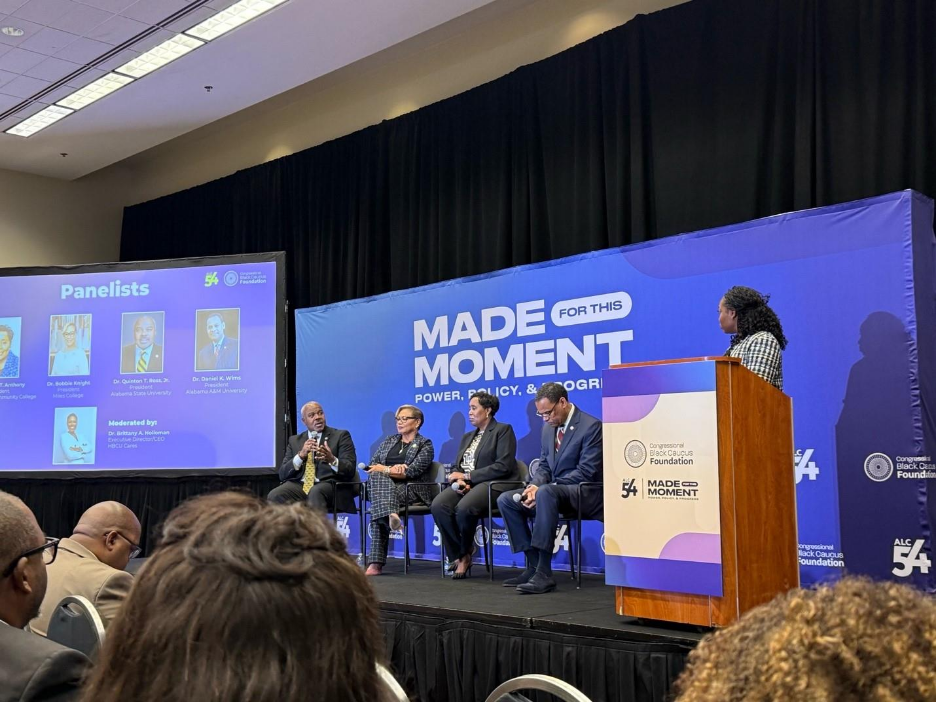
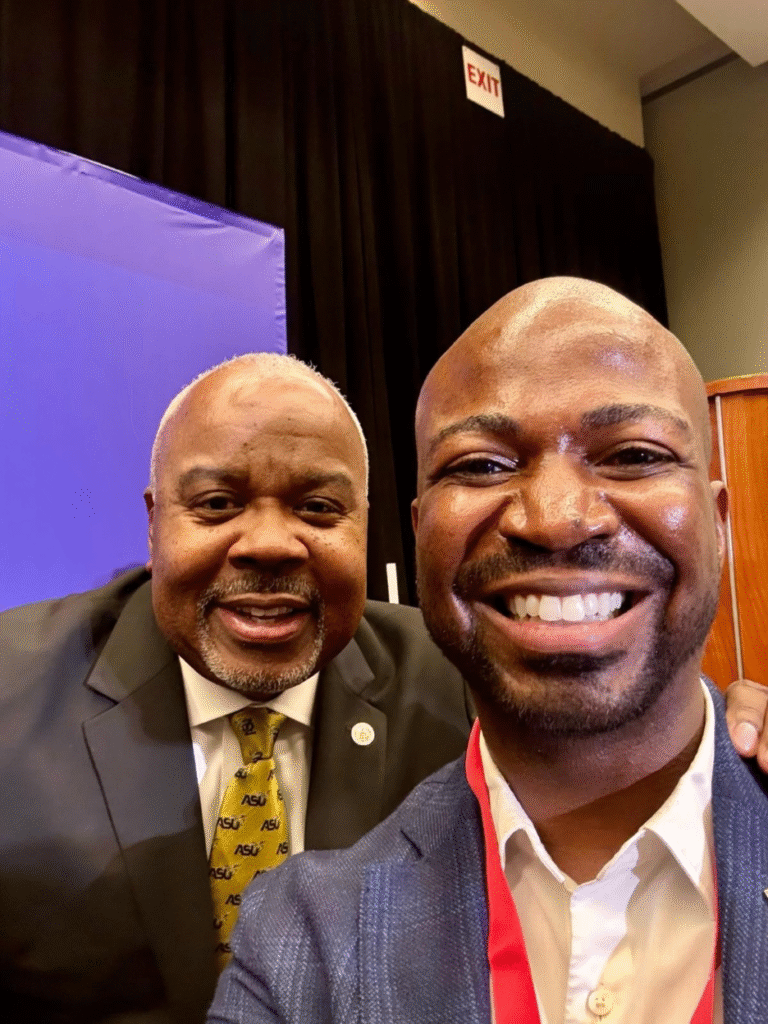
Recently, I had the distinct honor of attending the Congressional Black Caucus, where I participated in a panel discussion hosted by Representatives Terri Sewell and Shomari Figures. The event provided a platform to delve into the critical role of Historically Black Colleges and Universities (HBCUs) in shaping the educational landscape for Black Americans and their contributions to our society as a whole. The discussions were enlightening, and I was fortunate to meet Alabama State University President Dr. Quinton T. Ross and Tuskegee University President Dr. Mark A. Brown. Their insights into the challenges and triumphs faced by HBCUs today were both inspiring and thought-provoking.
HBCUs have a rich origin story that is deeply intertwined with Alabama’s history. Established during a time when educational opportunities for Black Americans were severely limited, HBCUs like Alabama State University and Tuskegee University were created to provide quality education and foster leadership among African Americans. The first HBCU, Cheyney University of Pennsylvania, was founded in 1837, but it was during and after the Civil War that the establishment of these institutions began to flourish. In Alabama, schools like Tuskegee were pivotal in educating Black leaders, with Booker T. Washington at the helm, emphasizing vocational training and the importance of self-sufficiency.
But why do HBCUs still matter today, even though predominantly white institutions (PWIs) are now integrated? The answer lies in the unique and supportive environment that HBCUs provide. While integration has opened doors for many, it has not erased the systemic barriers and challenges that African American students continue to face. HBCUs offer a safe space where students can thrive academically, socially, and culturally. They foster a sense of community, belonging, and pride that is often lacking in larger, predominantly white institutions.
Moreover, HBCUs have a track record of producing strong leaders who go on to make significant contributions to society. According to the United Negro College Fund, HBCUs produce nearly 20% of all African American graduates, and they are particularly renowned for their impact in fields such as education, engineering, and the sciences. The commitment to mentoring and supporting students at HBCUs translates into higher graduation rates and successful career placements, making them an invaluable asset to our communities and economy.
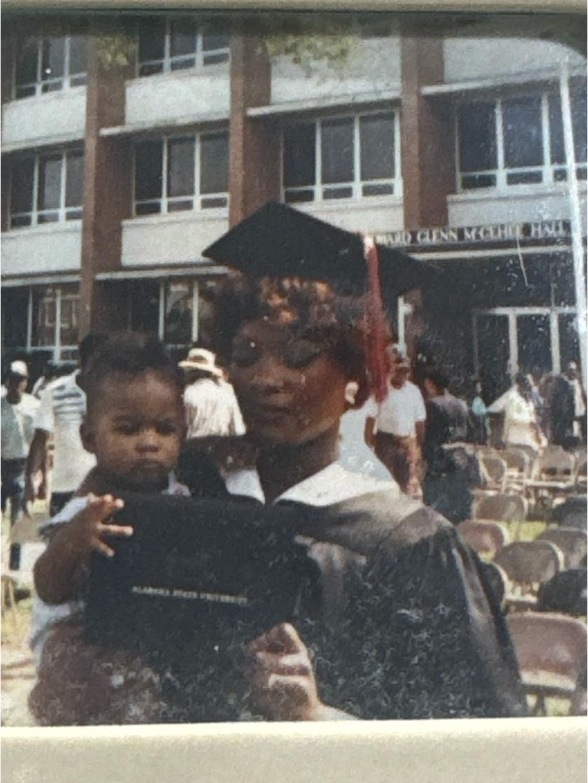
As I reflect on my own family’s connection to HBCUs, I am reminded of the profound impact they have had on my life. My parents met at Alabama State University, where their educational journey began and laid the foundation for our family’s values around education, perseverance, and community service. Their experience at an HBCU shaped their worldview and instilled in them the importance of giving back to the community. Additionally, I had the privilege of attending Howard University as an exchange student during my college years. This experience not only enriched my education but also deepened my appreciation for the HBCU culture and its significance in fostering a sense of identity and purpose among students.

As we look to the future, it is crucial that we recognize the importance of creating legislation to guarantee ongoing funding for HBCUs. These institutions have historically been underfunded and undervalued, despite their significant contributions to society. Ensuring that HBCUs receive the necessary financial support is vital for their sustainability and growth. This funding will allow them to enhance their academic programs, improve infrastructure, and expand resources for students, ultimately benefiting the communities they serve.
As I pursue the US Senate for Alabama, I am committed to advocating for policies that support HBCUs. I understand that education is the cornerstone of opportunity, and I believe that investing in HBCUs is an investment in the future of our state and nation. By ensuring that these institutions have the resources they need to thrive, we can empower the next generation of leaders and innovators who will shape our society for the better.
In conclusion, HBCUs are not just relics of the past; they are vibrant institutions that continue to play a critical role in the education and empowerment of African Americans. Their legacy is one of resilience, excellence, and community-building. As we advance towards a more equitable future, it is imperative that we support and sustain HBCUs through targeted legislation and funding. As your future US Senator for Alabama, I pledge to champion the cause of HBCUs and work tirelessly to ensure that they remain a vital part of our educational landscape. Together, we can honor the legacy of those who came before us and create a brighter future for generations to come.
Raspberry Hills | Raspberry Hills Clothing | Get 30% Off
Discover the Best Aesthetic Clinic in Dubai for Fillers and Facial Contouring
The Future of Smart Home Security Systems in 2026
From Rust to Road: How Old Vehicles Find New Purpose Through Reused Parts
How Scrap Yards Give Old Vehicles a Second Purpose in Adelaide
