

Florida homeowners deal with long summers, sticky humidity, and power bills that keep creeping up each year. Because of this, many people are starting to look closer at new ways to keep their homes comfortable without stressing their systems. One option that keeps coming up in conversations is heat pumps in Florida, especially in places like Tampa, Orlando, and Sarasota.
You may have noticed more neighbors asking questions or contractors suggesting them during upgrades. That has led many homeowners to wonder, are heat pumps good for Florida homes, or are they just another trend? With changing weather patterns and higher cooling demand, it makes sense to take a closer look at what really works in this climate.
In this article, you will get to learn what a heat pump is and how it works in simple terms, why heat pumps in Florida are talked about so often, and how they stack up against other home comfort systems while dealing with humidity. You will also see how to decide if one fits your home and how choosing the right filter plays a role. Let’s break it down in simple terms.
What Is A Heat Pump And How It Works
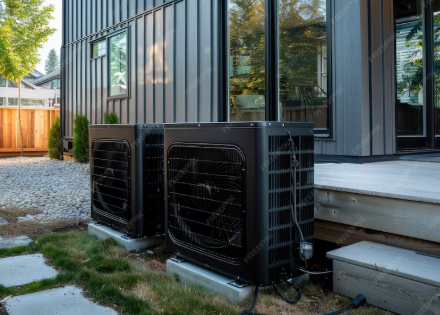
A heat pump is a home system that can cool your house in summer and warm it during cooler days. Instead of making heat, it moves heat from one place to another. That is why many people ask what a heat pump is when looking for a simple way to handle comfort year-round. In Florida, it works well for everyday weather since winters are short and cooling is needed most of the time.
So, how does a heat pump work in simple terms? During hot months, it pulls heat out of your home and sends it outside, much like an air conditioner. When the weather cools, it switches direction and pulls warmth from the outdoor air and brings it inside. Even on mild Florida winter mornings, there is enough heat outside for the system to do its job smoothly.
Why Heat Pumps Are Popular In Florida
There are a few clear reasons why heat pumps are liked by many homeowners, especially in Florida. If you are curious why heat pumps are popular in Florida, keep reading to learn more.
1. Florida’s Warm Climate Makes A Big Difference
Florida’s mild winters play a big role in how well heat pumps perform. Most days stay well above freezing, which makes it easier for these systems to pull warmth from the outdoor air. That is why the Florida heat pump climate is such a good match for this type of system. In warm states like Florida, heat pumps do not have to work as hard to keep homes comfortable. For many homeowners, this makes them the best HVAC system for Florida weather throughout most of the year.
2. One System For Cooling And Heating
One big reason homeowners like heat pumps is that they replace both an air conditioner and a furnace with one system. With heat pump heating and cooling, there is less equipment to manage and fewer parts to worry about. This all-in-one heating and cooling system makes sense in Florida, where heating is only needed once in a while. It also saves space in closets or garages and keeps maintenance simple since everything runs through one setup instead of two separate systems.
3. Lower Monthly Energy Bills
Lower power bills are one of the main reasons many Florida homeowners choose heat pumps. Compared to older AC units or electric heat strips, these systems use less electricity to keep the home comfortable. This leads to real heat pump energy savings during long summer months and cooler winter weeks. Traditional systems often run at full power, while heat pumps adjust as needed. Over time, this steady performance helps create lower energy bills with heat pump systems without changing daily comfort.
Are Heat Pumps Energy Efficient In Florida?
Heat pumps work very well in Florida because most homes run on electricity, not gas. Instead of burning fuel, they use electricity to move heat, which takes less power. That is why energy-efficient heat pumps that Florida homes rely on can save energy most of the year. In colder states, long freezes make systems work harder, but Florida rarely has that problem. Mild winters let heat pumps stay steady and efficient without extra help.
Another reason heat pump efficiency in Florida homes enjoys is clean airflow and steady comfort. A basic MERV-rated air filter simply means it catches dust and pollen as air moves through the system. Heat pumps run longer at lower levels, so the air feels more even and fresh. Since Florida homes cool far more than they heat, this steady, electric system fits the lifestyle better than systems built for snow and ice.
Pros Of Using A Heat Pump In Florida
There are multiple amazing advantages of using heat pumps in Florida homes. If you want to understand why homeowners prefer them, keep reading to explore the heat pump pros Florida residents enjoy.
- Hot weather comfort: Heat pumps cool homes just like an air conditioner while also helping pull moisture from the air. This makes rooms feel cooler without blasting cold air all day. Florida homes stay more comfortable during long, hot summers.
- Easy winter heating: Florida winters are short and mild, which is perfect for heat pumps. They pull warmth from outdoor air and bring it inside without working too hard. Even cool nights feel cozy without slow or heavy heating.
- Lower power use: Heat pumps move heat instead of making it, which uses less electricity over time. Many homeowners notice smaller monthly bills during summer and winter. This is one of the biggest advantages of heat pumps in Florida homes.
- Quiet operation: Newer heat pumps run smoothly and quietly in the background. There is no loud startup noise or constant buzzing outside. This makes a big difference for homes close to neighbors or patios.
- Simple setup: A heat pump replaces both a cooling and heating system in one unit. That means fewer parts, less space used, and fewer things to keep track of. Maintenance feels easier with one system doing it all.
Cons Of Heat Pumps In Florida
Even though heat pumps offer many benefits, they also come with a few downsides. It is important to look at both sides before deciding. Below, you will learn about the heat pump disadvantages Florida homeowners should know.
- Higher upfront cost: Heat pumps usually cost more at the start than a basic cooling-only system. The unit itself is often priced higher, and full installation can feel expensive upfront. While savings may come later, the initial payment can be a concern for some homeowners.
- Cold weather limits: During rare cold snaps, heat pumps may struggle to pull enough warmth from outdoor air. In these moments, backup electric heat is often needed to keep the home comfortable. This can cause a short-term increase in electricity use and higher bills.
- Installation matters: Heat pumps work best when installed the right way by skilled professionals. Poor sizing or airflow issues can lead to weak cooling or heating and uneven comfort. Many heat pump problems in Florida come from rushed or improper setup.
- Home upgrades needed: Older Florida homes may need electrical or duct updates before installing a heat pump. Panels, wiring, or insulation may not meet modern system needs. These upgrades can add extra cost and time to the project.
Heat Pump Vs Traditional AC And Furnace In Florida
Lots of people get confused when choosing between heat pumps, traditional AC, and furnaces. To make things easier, the table below clearly explains the key differences so Florida homeowners can compare options with confidence.
| Feature | Heat Pump | Traditional AC + Furnace |
| Cooling performance | Cools the home well and runs longer at lower speeds, which helps keep indoor air steady and comfortable. | Cools well but often turns on and off, which can cause uneven temperatures. |
| Heating needs | Provides light and steady heat that works well during Florida’s short and mild winters. | The furnace produces strong heat that is often more than what Florida homes need. |
| Energy use | Uses electricity to move heat, which takes less power overall. | A furnace creates heat directly, which uses more energy during heating. |
| Monthly costs | Helps keep power bills more balanced throughout the year. | Cooling and heating costs can rise since two systems are running. |
| Equipment needed | One system handles both heating and cooling. | Two separate systems are required for full comfort. |
| Maintenance | One unit to service and maintain. | The AC and furnace both need separate servicing. |
| Long-term value | Higher upfront cost, but often saves money over time. | Lower starting cost, but higher upkeep and energy use. |
Do Heat Pumps Work Well In Florida’s Humidity?
Heat pumps and humidity are managed very effectively in Florida. Variable-speed compressors run longer at lower speeds, pulling out more moisture than standard ACs. Proper sizing is important because an oversized unit cools too fast without dehumidifying. Using the right filter keeps airflow smooth and improves indoor air quality.
Lower humidity makes your home feel cooler and more comfortable, letting you set the thermostat higher to save electricity. Some heat pumps include a “dry mode” to remove moisture without overcooling. Choosing the best HVAC for a humid climate helps maintain 45% to 55% indoor humidity and keeps your home healthier.
Is A Heat Pump Right For Your Florida Home?
Deciding if a heat pump for Florida homes is right depends on several factors. Consider your home size and insulation; well-insulated homes get the most benefit. Think about your energy goals and how much you actually use heating each year. A heat pump works best when cooling and heating needs are balanced, making it ideal for Florida’s mild winters and long, humid summers.
Budget also matters. While the upfront cost is higher than that of a basic AC, the system can pay for itself over time through lower energy bills and federal tax credits. Ask yourself, is a heat pump right for my home based on usage, comfort, and long-term savings before making a choice.
Choosing The Right Air Filter For A Heat Pump System
Till here, you have learned a lot about heat pumps. The last and one of the most important things to know is which heat pump air filter is best for your system. Keep reading to understand the options and how the right filter helps your unit perform better.
- MERV 6 to 8 Filters: These offer a good balance between clean air and proper airflow. Ideal for most Florida homes, they remove dust, pollen, and pet dander without overworking your system.
- MERV 8 Pleated Filters: Perfect for standard modern units, they trap more airborne particles while keeping airflow strong. Regular checks every 30 days help maintain performance and system health.
- MERV 11 Filters: Great for allergy sufferers, these filters catch mold spores, fine dust, and dander common in Florida. Make sure your system can handle the extra resistance.
- Custom-Sized Filters: Matching the exact dimensions of your air handler prevents unfiltered air from bypassing the system. Proper fit keeps the HVAC air filters for heat pumps working efficiently.
- Lower-Rated Filters (MERV 5 or 6): For older units or coastal homes with salt air, these filters prioritize airflow to protect the motor. They sacrifice some filtration but prevent system strain.
Final Thoughts: Are Heat Pumps A Good Option In Florida?
Heat pumps are an excellent choice for most Florida homes. They provide both heating and cooling while saving energy and keeping your home comfortable year-round. This guide explained what a heat pump is and how it works in simple terms. It also covered why heat pumps are popular in Florida, including the warm climate, all-in-one heating and cooling, and lower energy bills. You learned about heat pump efficiency in Florida, the pros and cons, and how they compare to traditional AC and furnace systems. Finally, we talked about humidity control and choosing the right air filter for your system. Consider your home size, insulation, budget, and energy goals to see if a heat pump for Florida homes fits you.
We at Custom Filters Direct are dedicated to helping homeowners and businesses keep their indoor air clean and healthy with high-quality, custom-sized HVAC filters. Whether you need a standard filter or a unique size for your system, we make it easy to find exactly what you need. Our team is here to answer your questions and provide fast, reliable service. You can reach us anytime at info@customfiltersdirect.com or call us at 877-958-5612. We are committed to making sure your home or office breathes cleaner, fresher air every day.
Frequently Asked Questions (FAQs)
Q1. How Long Does A Heat Pump Usually Last In Florida?
A. A heat pump in Florida usually lasts around 10 to 15 years. Some units can last closer to 20 years, but Florida weather can be tough on them. These systems run most of the year, which causes more wear over time. Homes near the coast may see a shorter life due to salty air that slowly damages parts. High moisture in the air also makes the system work harder. Regular checkups, clean filters, and basic care can help the system last longer and run more smoothly.
Q2. Do Heat Pumps Cost More To Install Than Central Air Systems?
A. Heat pumps usually cost more to install than a standard central air system, but they handle both heating and cooling in one unit. In Florida, the installation can run roughly between $5,200 and $14,000, depending on the size and home setup. This is just an approximate price and can vary. Even though the upfront cost is higher, it is often cheaper than buying a separate air conditioner and furnace. Many homeowners also get help from rebates or tax credits, which can make the cost easier to manage over time.
Q3. Can A Heat Pump Be Installed In An Older Florida Home?
A. Yes, a heat pump can be installed in an older Florida home, and it can really improve comfort and save energy. If your home has ducts, the new unit can often replace the old system easily. For homes without ducts, a small ductless system works well and keeps the house looking the same. Some older homes may need an electrical upgrade or better insulation to run efficiently. A heat pump can also reduce humidity, remove musty smells, and save space since you do not need a separate furnace.
Q4. Do Heat Pumps Need More Maintenance Than Traditional AC Units?
A. Yes, heat pumps usually need more maintenance than a standard AC because they work almost all year, handling both cooling and heating. Experts suggest having a professional check the system twice a year in Florida, once in spring and once in fall. You should also rinse the outdoor unit, clear debris, and change filters regularly. These simple steps help the system last longer and run better in Florida’s humid and salty air. Doing a little upkeep now can save big repair costs later.
Q5. Are Heat Pumps Noisy Compared To Regular Air Conditioners?
A. Modern heat pumps are usually as quiet as or quieter than regular air conditioners. Most run at a gentle hum similar to a refrigerator, while ductless models can be almost silent. Newer systems use variable-speed technology that keeps them running steadily instead of turning on and off loudly. In Florida, occasional sounds like whooshing during defrost or soft gurgling are normal. Proper installation and keeping the unit clean help prevent rattling or banging. Overall, a well-maintained heat pump will not disturb your home.
Q6. Do Heat Pumps Qualify For Rebates Or Tax Credits In Florida?
A. Yes, homeowners in Florida can get both federal tax credits and local utility rebates when they install a high-efficiency heat pump. The federal tax credit can cover about 30 percent of the installation cost, up to $2,000 for qualifying ENERGY STAR units. Many Florida utilities also offer extra rebates, sometimes over $1,000, depending on the system. Some programs can even be combined to save more. There are also future state programs being planned that could provide bigger rebates for qualifying households. These incentives can make installing a heat pump much more affordable.
Q7. How Often Should Filters Be Changed In A Heat Pump System?
A. In Florida, heat pump filters should be checked about once a month and replaced at least every three months. Homes with pets or allergy concerns may need changes even more often. During hot, humid summers or high-pollen spring weeks, filters can get clogged faster and may need replacing every 15 to 30 days. Keeping filters clean helps the system run smoothly, saves energy, and prevents mold from forming. Regular filter care also protects the heat pump and keeps the air in your home healthy and fresh.
About the Author