


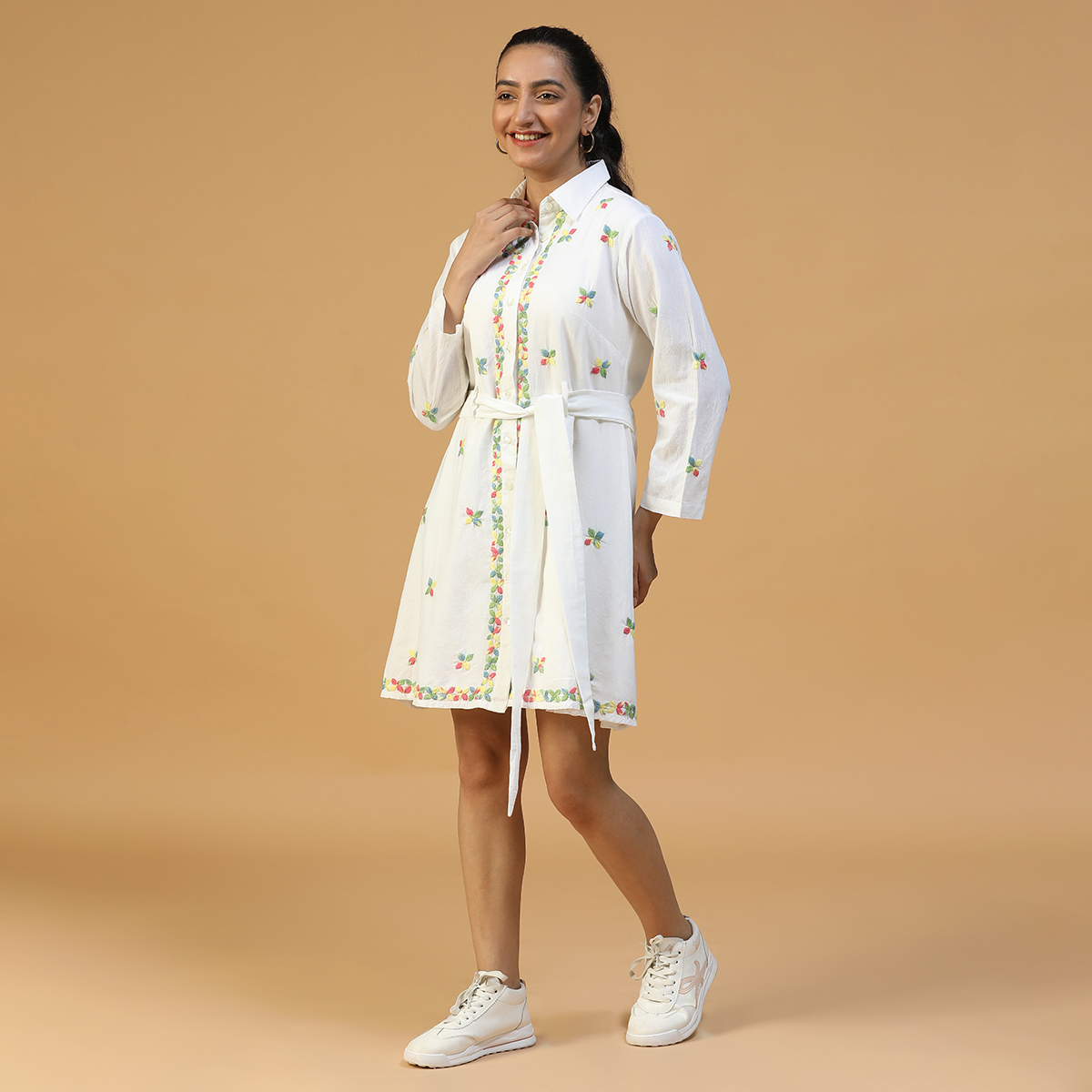
The fashion industry in Australia is evolving rapidly within a fast-paced, dynamic environment driven by growing attention to sustainability, comfort, and conscious consumption. With increasing temperatures and longer, hotter summers across the country, Australians are increasingly seeking out breathable fabrics that are also environmentally friendly. Organic cotton has emerged as one of the most sought-after materials, providing a strong option for consumers who wish to remain fashionable without compromising their environmental values. Brands like Kind Cloth Co, which customize clothes using Indian khadi and organic cotton fabrics in Australia, play a pivotal role in this shift. Their large-scale production of high-quality summer clothing is specifically tailored to suit the Australian climate, contributing to the growing trend toward sustainable fashion.
Why Sustainable Fashion Is Growing in Australia
Australian consumers today are more conscious than ever of the environmental impact of the clothes they wear. With the rise of ethical consumerism, the demand for environmentally friendly clothing is steadily increasing. More Australians are opting for durable, ethically produced garments over fast fashion. Several key factors contribute to this transformation:
1. Increasing Awareness About Environmental Impact
The environmental damage caused by traditional cotton farming is substantial. Conventional cotton production requires significant amounts of water, pesticides, and chemicals, which ultimately harm soil health, water systems, and biodiversity. Australian consumers are becoming increasingly aware of these adverse effects, pushing for alternatives like organic cotton. The benefits of organic cotton are numerous—it is grown without toxic substances, uses far less water, and is cultivated with minimal impact on the surrounding environment.
Organic cotton farming supports healthier ecosystems and is less harmful to wildlife, soil, and water supplies. This aligns with the growing environmental consciousness of Australian shoppers who want their purchases to have a positive impact on the planet.
2. Demand for Ethical Manufacturing
Modern Australian shoppers are placing a higher value on transparency and ethical production practices. They want to know where their clothes are made, who makes them, and under what conditions. Brands that use khadi or other handwoven natural fabrics automatically gain the trust of these conscious consumers because they support artisan communities and promote fair labor practices. As Australians become more knowledgeable about the fashion industry’s ethical challenges, they are increasingly prioritizing brands that align with their values.
In particular, brands that source their materials responsibly and prioritize ethical manufacturing processes are seen as more trustworthy and are receiving growing support. The idea of “slow fashion,” which emphasizes quality over quantity, is gaining traction as consumers demand more sustainable choices.
3. Need for Breathable, Heat-Friendly Fabrics
The Australian summer can be brutal, with temperatures regularly exceeding 40°C (104°F) in many regions. During this time, Australians crave clothing that is lightweight, breathable, and designed to keep them cool. Organic cotton and khadi are perfect solutions for these needs. These materials are both light and breathable, allowing for natural ventilation and moisture absorption, which help regulate body temperature on hot days. With the increased popularity of outdoor activities and more time spent in the sun, breathable fabrics are in high demand to ensure maximum comfort.
The lightweight nature of organic cotton also makes it ideal for layering during the cooler months and for travel. Australians, particularly those living in coastal and rural areas, are embracing these materials as a natural alternative to synthetic fabrics that can trap heat and make the body sweat.
What Makes Organic Cotton Ideal for Australian Summers
Organic cotton is increasingly becoming a favorite summer fabric in Australia for a variety of reasons. Its natural properties align well with the Australian climate, making it a smart and comfortable choice for warm weather wear.
1. Lightweight and Breathable
One of the primary reasons Australians are gravitating toward organic cotton is its ability to provide natural ventilation. Organic cotton allows air to circulate freely, helping to keep the body cool even on the hottest days. This is especially important in the context of Australian summers, which are often long and intense.
2. Gentle on Sensitive Skin
Skin sensitivity is a common issue in hot and humid climates. Many Australians find that synthetic fabrics irritate their skin or cause rashes due to heat buildup. Organic cotton, on the other hand, is gentle on sensitive skin, making it an ideal choice for individuals with allergies or skin conditions. Because organic cotton is free from harsh chemicals, bleach, or dyes, it ensures a much gentler experience when worn for long hours.
3. Long-Lasting and Durable
Unlike cheaper blends or synthetic fabrics, organic cotton maintains its texture, color, and softness over time. It can withstand numerous washes without significant wear and tear, making it a wise investment for consumers who want their clothing to last. Organic cotton’s durability also makes it a more sustainable choice, as it doesn’t contribute to the fast fashion cycle of disposable, low-quality garments.
4. Green Process of Production
The environmental benefits of organic cotton go beyond just the fabric itself. Organic cotton production requires less water than conventional cotton farming, which helps preserve precious water resources. Additionally, organic cotton farming avoids the use of harmful chemicals, reducing the overall carbon footprint of cotton cultivation. By choosing organic cotton, consumers are making a more eco-friendly choice that supports the health of the planet.
How Indian Khadi Fits into Australia’s Sustainable Fashion Movement
Khadi is a handwoven fabric traditionally made in India using natural cotton fibers. It is a symbol of sustainability and self-reliance, promoting local artisans and minimizing the use of machinery in its production process. The methods used to create khadi are inherently eco-friendly, as they require less energy and water compared to mass-produced textiles. This makes khadi an ideal material for conscious consumers who value ethical production and environmental sustainability.
When transformed into contemporary silhouettes, khadi creates a unique fusion of Indian craftsmanship and Australian style. Australian brands such as Kind Cloth Co. have embraced khadi, blending it with other sustainable fabrics like organic cotton to create breathable, comfortable, and stylish garments. These pieces are not only suited to the Australian climate but also represent a cross-cultural celebration of sustainability.
Khadi’s unique texture and artisanal nature add value to Australian fashion by offering consumers a rich cultural experience. As Australians continue to embrace the fusion of traditional craftsmanship with modern design, khadi’s popularity is likely to grow even more.
The Role of Brands in Shaping a Sustainable Fashion Future
Brands that embrace sustainability and ethical practices are playing a pivotal role in shaping the future of fashion in Australia. Companies that focus on sustainable sourcing, transparent production methods, and ethical manufacturing are increasingly gaining consumer loyalty. Kind Cloth Co. stands out as a prime example of a brand that aligns with these values.
Kind Cloth Co. produces high-quality, ethically made garments using organic cotton and khadi. The brand’s commitment to long-lasting, durable clothing promotes the concept of slow fashion, where consumers invest in timeless pieces rather than fleeting trends. Moreover, the brand’s dedication to promoting Indian artisan craft further strengthens the global movement toward fair and sustainable fashion.
Conclusion
Sustainable fashion in Australia is not just a passing trend—it’s part of a larger cultural shift towards healthier, more ethical lifestyles. Organic cotton, with its lightweight, breathable, and environmentally friendly qualities, is a key player in this transformation. As more consumers become aware of the benefits of sustainable fabrics, the demand for eco-friendly clothing will continue to rise. Brands like Kind Cloth Co. are at the forefront of this change, offering consumers the opportunity to wear stylish, comfortable, and ethically produced garments that align with their values. With the fusion of Indian khadi and Australian fashion, the future of sustainable fashion looks promising and exciting, giving consumers the chance to make a positive impact with every purchase.
About the Author