Few ideas in storytelling are as old—or as powerful—as the battle between good and evil. Civilizations have risen and fallen, cultures have transformed, but this central conflict remains untouched by time. From ancient myths to modern crime fiction, readers continue to be drawn to stories where moral lines are tested and justice hangs in the balance. In mystery and suspense fiction especially, the struggle between good and evil isn’t abstract. It’s personal. It plays out through crimes committed, lives disrupted, and truths buried beneath lies. And that’s precisely why it resonates so deeply.
Why We Need Moral Clarity
The real world is rarely black and white. People do bad things for complicated reasons. Power often goes unchecked. Justice can feel selective or incomplete. Fiction, however, gives us something reality often withholds: moral clarity.
In stories centered on good versus evil, readers are offered a framework where actions matter and consequences exist. Even when characters are flawed, the narrative ultimately acknowledges right and wrong. This clarity provides emotional relief. It reassures readers that values still exist—even when reality feels morally ambiguous. That reassurance is subtle but powerful. It’s not naïve optimism; it’s structured hope.
Website: https://byronjcoltmanbooks.com/
Evil as a Catalyst, Not the Focus
Great fiction doesn’t glorify evil—it uses it. Evil in storytelling exists to create tension, force growth, and challenge the protagonist. Without it, there’s no momentum. No urgency. No transformation. In mystery novels, evil often arrives quietly: a single act that ripples outward, disrupting lives and exposing hidden fractures. The crime itself becomes a catalyst that reveals who people truly are under pressure. Some rise. Others collapse. Readers aren’t drawn to evil for its own sake. They’re drawn to the confrontation with it—and the possibility of overcoming it.
The Satisfaction of Seeing Good Fight Back
One reason this theme endures is that it restores agency. In good-versus-evil narratives, characters don’t remain passive victims. They investigate. They resist. They push back. This is especially compelling when the protagonist starts at a disadvantage—lacking power, protection, or influence. Watching someone stand up against darkness, even when the odds are stacked against them, creates emotional momentum. Readers aren’t just observing events; they’re rooting for resolution. The fight itself becomes a form of justice long before the final verdict is delivered.
Why Evil Must Be Intelligent
The most effective antagonists aren’t cartoon villains. They’re calculated, persuasive, and often disturbingly rational. This makes the conflict feel real—and the stakes higher. When evil is intelligent, good must evolve. The protagonist can’t rely on luck or brute force. They must think, adapt, and endure. This dynamic elevates the story beyond surface-level conflict into something psychologically engaging. Readers sense when a threat is genuine. And when good finally prevails against a worthy adversary, the victory feels earned rather than convenient.
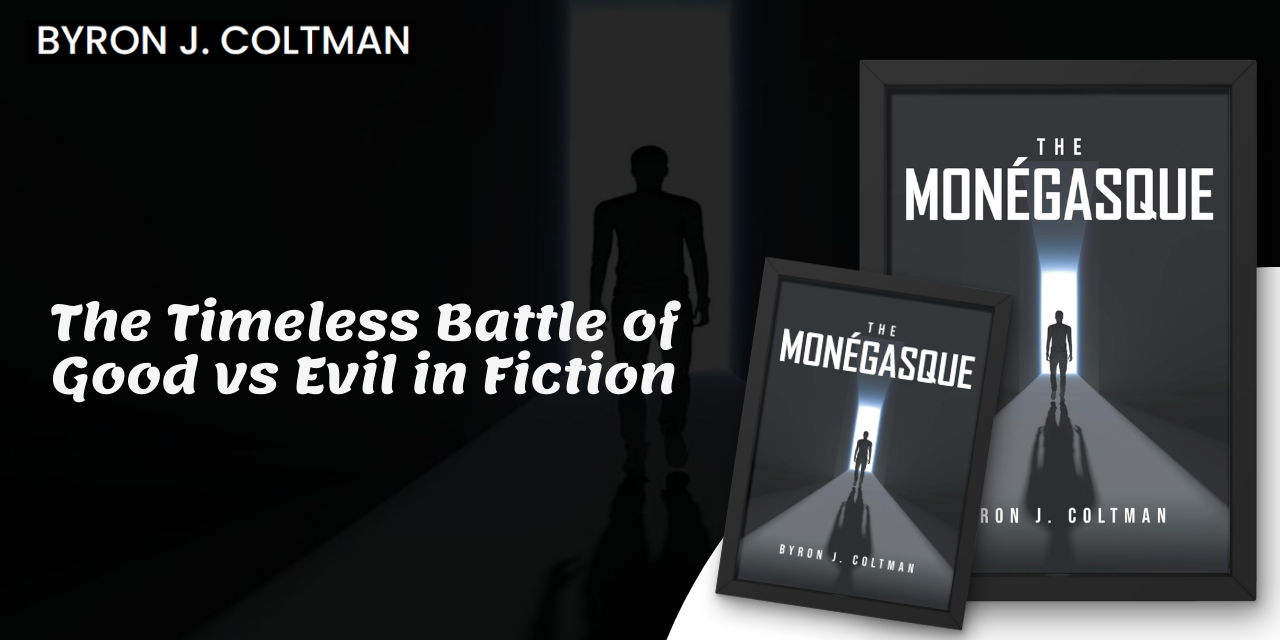
Amazon: The Monégasque
The Emotional Weight of Choice
At the heart of good versus evil lies choice. Characters are constantly forced to decide who they want to be. Do they compromise their values to survive? Do they take shortcuts? Do they become the very thing they’re fighting?
These moments resonate because they mirror real-life dilemmas. Most people will never face a murder investigation—but everyone understands moral pressure. Fiction amplifies those pressures and asks readers to confront them safely. In doing so, it turns entertainment into reflection.
Why Readers Keep Coming Back
The endurance of this theme isn’t accidental. Stories where good challenges evil reaffirm something fundamental: that effort matters. That truth matters. That even when darkness feels overwhelming, it is not unstoppable. In mystery fiction, this message is particularly potent. The investigation itself becomes a moral act. Seeking truth is framed as resistance. And justice—whether legal, emotional, or symbolic—serves as restoration. Readers don’t just finish these stories entertained. They finish them reassured.
A Story That Never Loses Relevance
The battle between good and evil isn’t timeless because it’s simple—it’s timeless because it’s necessary. Each generation faces new versions of the same struggle, shaped by different fears, systems, and power structures. Fiction adapts accordingly, but the core remains unchanged. As long as people seek meaning, fairness, and resolution, they will continue to gravitate toward stories where good is tested—and refuses to surrender. And that’s why this theme remains at the heart of mystery and suspense fiction. Not because it promises perfection—but because it insists that darkness is never the final word.
