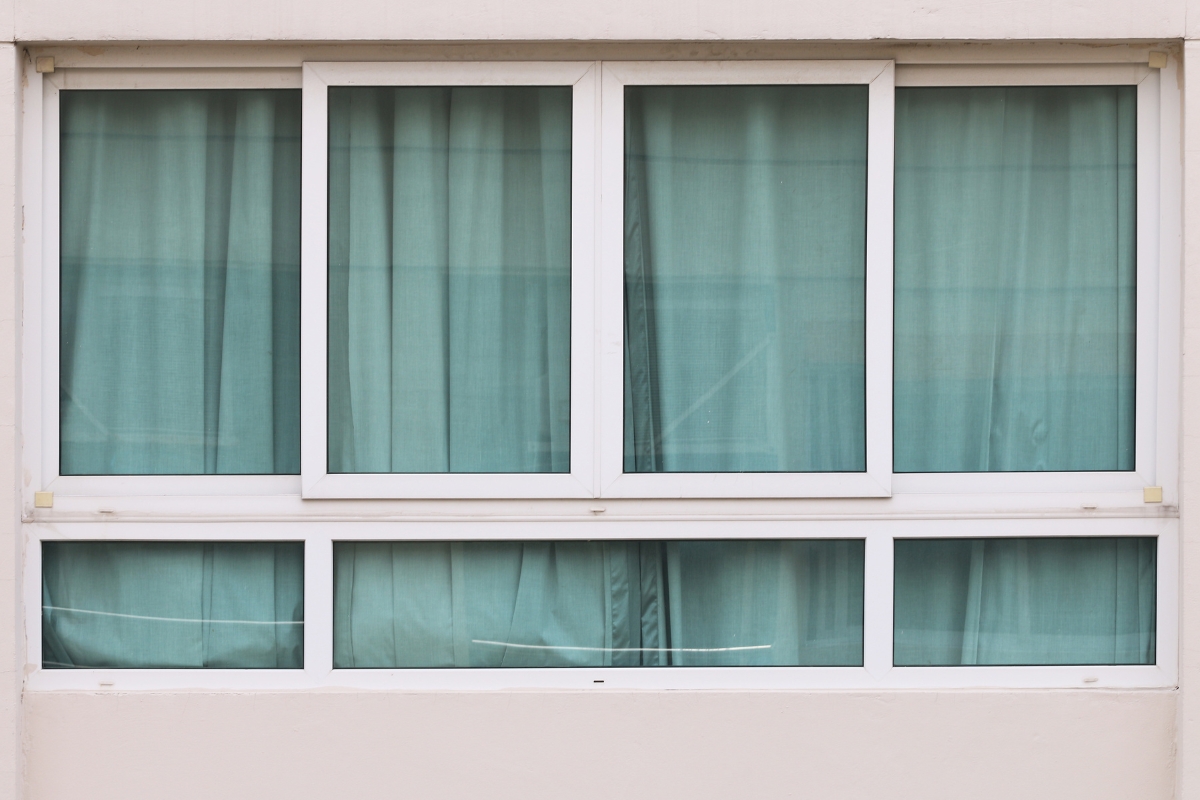
Windows play a major role in how comfortable, energy-efficient, and visually appealing your home feels. When choosing aluminium windows, many homeowners come across two common options: thermal break aluminium and standard aluminium. At first glance, they may look similar, but the performance difference is significant.
If you’re researching options alongside services like Residential Caulking Sydney, understanding the difference between these two window types becomes even more important. Proper sealing and the right window material together can dramatically improve insulation, reduce energy bills, and enhance indoor comfort.
What Are Aluminium Windows?
Aluminium windows are widely used in modern homes due to their durability, sleek design, and low maintenance. They are resistant to rust, strong enough for large glass panels, and suitable for different weather conditions.
However, not all aluminium windows are built the same. The main difference lies in whether they include a thermal barrier or not.
Understanding Standard Aluminium Windows
Standard aluminium windows are made from a single piece of aluminium frame without any insulation layer. While they are strong and cost-effective, they conduct heat very easily.
Key Characteristics
Standard aluminium frames:
- Transfer heat quickly between indoor and outdoor environments
- Feel cold in winter and hot in summer
- Are usually more affordable upfront
- Require good sealing, often supported by residential caulking Sydney services
Because aluminium is a highly conductive material, these windows can lead to energy loss if not properly managed.
What Is Thermal Break Aluminium?
Thermal break aluminium, also known as thermally broken aluminium, includes a special insulating layer between the inner and outer parts of the frame. This layer reduces heat transfer significantly.
This design is what makes aluminium thermal windows more energy efficient and comfortable.
How It Works
In thermally broken aluminium systems, a non-conductive material (often polyamide) is placed between two aluminium sections. This “break” stops heat from passing through easily.
This is why they are called ‘thermal break aluminium’ or ‘aluminium thermal break systems’.
Why Thermal Break Technology Matters
When it comes to home comfort, temperature control is everything. Windows are one of the biggest sources of heat loss or gain in a house.
Improved Insulation
Thermally broken windows:
- Keep heat inside during winter
- Block external heat during summer
- Maintain stable indoor temperatures
This makes them a great option for modern homes focusing on energy efficiency.
Better Energy Savings
Homes with aluminium thermally broken windows often experience the following:
- Lower heating and cooling costs
- Reduced reliance on air conditioning
- Improved overall energy ratings
When paired with proper sealing like residential caulking in Sydney, the benefits increase even more.
Comparing Thermal-Break Aluminium and Standard Aluminium
Understanding the differences helps you make a smarter decision for your home.
Heat Transfer
Standard aluminium allows heat to pass through quickly. This leads to uncomfortable indoor temperatures.
On the other hand, thermal aluminium windows act as a barrier, reducing heat flow and improving insulation.
Comfort Levels
With standard aluminium, you may notice:
- Cold drafts near windows
- Condensation during winter
- Uneven room temperatures
Thermally broken aluminium windows eliminate most of these issues, offering a more comfortable living environment.
Condensation Resistance
Condensation occurs when warm indoor air meets a cold surface.
Standard aluminium frames often cause condensation because they get very cold. Thermally broken windows reduce this problem by maintaining a more consistent surface temperature.
Durability and Performance
Both types are durable, but thermally broken aluminium performs better over time due to the following:
- Reduced stress from temperature changes
- Better resistance to moisture-related issues
- Enhanced structural stability
The Role of Proper Installation and Caulking
Even the best window won’t perform well if it’s poorly installed. This is where services like Residential Caulking Sydney become essential.
Why Caulking Matters
Caulking helps:
- Seal gaps around window frames
- Prevent air leaks
- Stop water from entering
- Improve insulation
Without proper caulking, even thermally broken aluminium windows can lose efficiency.
Common Problems Without Caulking
- Drafts and air leakage
- Increased energy bills
- Moisture damage
- Mould growth
Combining high-quality windows with professional sealing ensures maximum performance.
Cost Differences: Is a Thermal Break Worth It?
One of the main reasons people choose standard aluminium is cost. It is generally cheaper upfront compared to thermal-break aluminium.
Initial Investment
Standard aluminium:
- Lower initial cost
- Easier to install
Thermal break aluminium:
- Higher upfront price
- Advanced manufacturing process
Long-Term Value
While thermally broken windows cost more initially, they often save money in the long run through:
- Reduced energy bills
- Lower maintenance costs
- Increased property value
This makes them a smart investment, especially for long-term homeowners.
Environmental Impact
Energy-efficient homes are not just good for your wallet—they’re better for the environment too.
Standard Aluminium Impact
Because of higher heat transfer, standard aluminium windows can:
- Increase energy consumption
- Lead to higher carbon emissions
Thermal Break Aluminium Benefits
Thermal break aluminium systems:
- Reduce energy usage
- Support sustainable living
- Improve overall building efficiency
This makes them a preferred choice in eco-friendly construction.
Aesthetic Appeal and Design Flexibility
Both standard and thermal break aluminium windows offer modern and stylish designs.
Design Options
You can find:
- Slim frames
- Large glass panels
- Custom finishes
- Different colours
Thermal break aluminium does not limit design flexibility. In fact, many high-end homes prefer it for both performance and appearance.
Noise Reduction Benefits
Noise insulation is another important factor, especially in busy areas.
Thermally broken aluminium windows provide better sound insulation compared to standard aluminium. The insulating layer helps reduce outside noise, creating a quieter indoor environment.
Maintenance Requirements
Both types of aluminium windows are relatively low maintenance.
Standard Aluminium
- Easy to clean
- May require regular sealing checks
Thermal Break Aluminium
- Equally easy to maintain
- Longer-lasting performance
- Less stress from temperature changes
With proper installation and Residential Caulking Sydney support, maintenance becomes even simpler.
When Should You Choose Standard Aluminium?
Standard aluminium windows may be suitable if:
- You have a limited budget.
- The property is not heavily exposed to extreme weather.
- Energy efficiency is not a top priority.
They are still a practical choice for many basic applications.
When Should You Choose Thermal Break Aluminium?
Thermal break aluminium is ideal if:
- You want better insulation
- You aim to reduce energy bills.
- You live in areas with temperature extremes.
- You are building a modern, energy-efficient home.
They are especially useful in residential projects where comfort and performance matter.
Common Myths About Thermal Break Aluminium
Myth 1: It’s Too Expensive
While the initial cost is higher, the long-term savings often outweigh the investment.
Myth 2: It Looks Different
Thermally broken aluminium looks almost identical to standard aluminium. The difference is internal.
Myth 3: It’s Only for Cold Climates
Thermal break technology works in both hot and cold environments by reducing heat transfer.
How to Make the Right Choice
Choosing between standard and thermal-break aluminium depends on your priorities.
Ask yourself:
- Do I want long-term energy savings?
- Is indoor comfort important to me?
- Am I willing to invest more upfront?
If the answer is yes, thermally broken aluminium windows are likely the better option.
Final Thoughts
When comparing standard aluminium with thermal break aluminium, the difference comes down to performance, comfort, and long-term value. While standard aluminium may seem cost-effective initially, it often falls short in insulation and energy efficiency.
On the other hand, thermally broken aluminium offers superior performance, better temperature control, and enhanced comfort. When combined with proper sealing solutions like residential caulking in Sydney, these windows can significantly improve your home’s efficiency and durability.
If you are planning to upgrade your windows or build a new home, it’s worth exploring high-quality solutions from experts in the field. For more information and professional guidance, you can visit Thermal Facade Solutions and discover options that match your needs perfectly.
In the end, the right choice is not just about price—it’s about creating a comfortable, energy-efficient, and long-lasting living space.
Family Pool vs Luxury Pool: Which Build Is Right for Your Home?
Die Top 5 Padel-Plätze in Deutschland – The Racquet Club
Expert Plastering Service Auckland for Interior Painting Auckland and Exterior Painting
Small Cap Growth Stocks – The Ultimate Guide to Finding High Potential Investment Opportunities
