


Choosing the right windows for your home or commercial building is more important than many people realise. Aluminium windows are a popular choice because they are strong, durable, and look modern. However, there is a big difference between standard aluminium windows and thermally broken aluminium windows. This difference can affect your comfort, energy bills, and the overall performance of your building.
Standard aluminium windows are strong and lightweight, which makes them perfect for modern designs and large openings. But aluminium is a metal, and metals are good conductors of heat. This means standard aluminium windows can let heat escape during winter and let heat in during summer. Thermally broken aluminium windows, on the other hand, are designed to solve this problem. They include a thermal break that stops heat from easily passing through the frame, keeping your home more comfortable and energy-efficient.
What Are Thermally Broken Aluminium Windows?
Thermally broken aluminium windows are designed with energy efficiency in mind. The “thermal break” in these windows is a layer of material, usually made from plastic or polyamide, that separates the inside frame from the outside frame. This separation slows down the movement of heat through the aluminium, which reduces energy loss and improves comfort indoors.
By using this simple but effective design, thermally broken aluminium windows help maintain a stable indoor temperature. This can lower heating and cooling costs while making your home more comfortable all year round. People who want to save energy and create a sustainable living space often choose aluminium thermally broken windows.
Standard Aluminium Windows — Strengths and Weaknesses
Standard aluminium windows have been used in homes and offices for many years. They are lightweight, strong, and resistant to rust and corrosion. These windows are ideal for large openings or modern designs where durability is essential.
However, standard aluminium windows do have a major drawback. Because aluminium conducts heat so well, these windows can allow unwanted heat to enter or escape. During cold months, warm indoor air can escape through the window frames, and during summer, hot outdoor air can come inside. This can increase energy bills and make your home less comfortable. Additionally, condensation can form on the inside of standard aluminium windows, which may cause dampness or mould over time.
In short, standard aluminium windows are strong and stylish but lack the thermal performance that thermally broken aluminium windows provide.
How Thermal Break Aluminium Works
The main feature of thermally broken aluminium windows is the thermal break. A thermal break is a layer of material that doesn’t conduct heat well, usually made of polyamide or another type of durable plastic. This layer separates the inner and outer aluminium frames, stopping heat and cold from easily passing through the window.
By adding a thermal break, these windows prevent energy loss and reduce condensation. This means your home stays warmer in winter, cooler in summer, and moisture-related issues are minimised. Thermal break aluminium windows are not only practical but also improve the overall energy efficiency of your building.
Benefits of Aluminium Thermal Break Windows
Thermally broken aluminium windows come with several advantages compared to standard aluminium windows:
- Better Energy Efficiency
Thermal break aluminium windows help keep your home at a consistent temperature. This reduces the need for heating and cooling systems, saving energy and lowering bills. - More Comfortable Indoor Spaces
These windows reduce drafts and cold spots near the frame, making rooms more comfortable. - Less Condensation
The thermal break helps prevent moisture buildup on the windows, which protects your home from dampness and mould. - Strong and Long-Lasting
Aluminium is naturally strong and resistant to rust. Adding a thermal break does not affect its durability. - Modern Appearance
Thermally broken aluminium windows can be made in many styles, colours, and finishes without affecting their thermal performance, giving you design flexibility.
Where to Use Thermally Broken Aluminium Windows
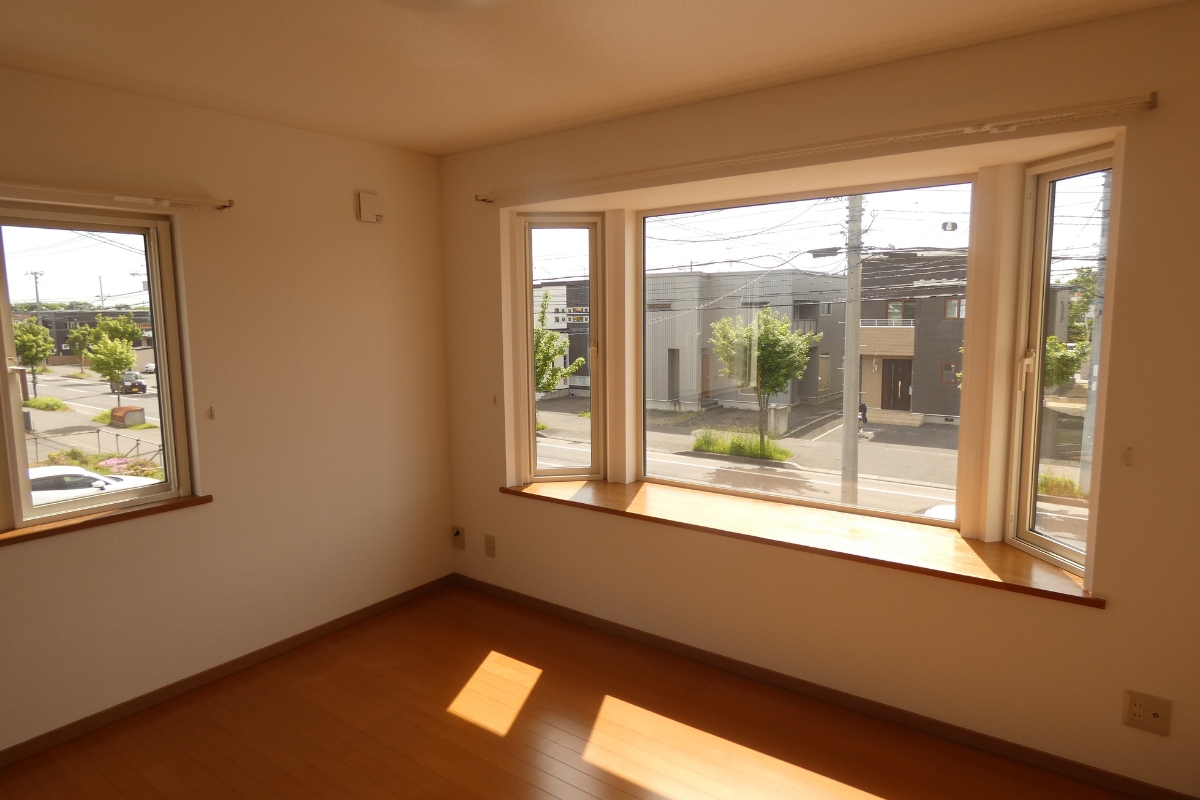
Thermally broken aluminium windows are suitable for both residential and commercial buildings. In homes, they are ideal for living rooms, bedrooms, and kitchens, where maintaining indoor comfort is essential. In offices or retail stores, they can help reduce energy costs while keeping the space comfortable for employees and customers.
These windows are also suitable for large or uniquely shaped openings, making them perfect for modern architecture that emphasises natural light and open spaces. Their combination of strength, design flexibility, and thermal efficiency makes them a practical choice for almost any building.
Cost vs. Long-Term Value
Thermally broken aluminium windows usually cost more upfront than standard aluminium windows. However, they can save you money in the long run. By keeping heat inside during winter and outside during summer, they reduce your energy bills. They also help prevent condensation and moisture damage, which can save money on maintenance.
Although standard aluminium windows are cheaper initially, the long-term costs of energy use and potential condensation problems can add up. Thermally broken aluminium windows provide long-lasting value, comfort, and energy savings, making them a worthwhile investment for most homeowners.
Things to Consider When Choosing Aluminium Thermal Windows
When deciding between standard and thermally broken aluminium windows, consider these factors:
- Climate: If you live in an area with very hot or cold weather, thermally broken windows will make a bigger difference.
- Building Design: Large glass panels and modern designs benefit from the insulation provided by thermal-break aluminium.
- Budget: While they cost more upfront, long-term energy savings can justify the investment.
- Appearance: Thermally broken aluminium windows can be slim and modern without compromising energy efficiency.
By evaluating these factors, you can choose the right aluminium thermal windows for your home or business.
Maintenance and Lifespan
Both standard and thermally broken aluminium windows are low maintenance. Aluminium frames do not warp, rust, or attract pests. The thermal break also helps reduce condensation, meaning fewer moisture problems. Regular cleaning and occasional checking of seals and hardware will keep your windows working well for many years.
Thermally broken aluminium windows can last for decades while maintaining both their look and energy efficiency, making them a smart long-term investment.
Conclusion
Thermally broken aluminium windows offer clear benefits over standard aluminium windows. They reduce heat transfer, improve energy efficiency, prevent condensation, and create a more comfortable living environment. While the initial cost may be higher, their long-term savings and durability make them a worthwhile choice for any building project.
For anyone looking to explore quality thermally broken aluminium windows, Thermal Facade Solutions offers professional solutions. Their expertise in aluminium thermal break systems ensures that your property gets both performance and style, combining energy efficiency with modern design.
About the Author