The Appeal of Custom Drapery in Luxury Interiors
Why bespoke design stands apart from mass-produced options
Custom drapery brings a distinct sense of individuality to an interior. Instead of relying on ready-made solutions with limited patterns and standard sizes, bespoke designs are tailored to suit the exact proportions, light requirements, and style preferences of a room. This level of precision allows a window treatment to become a focal point rather than an afterthought. The result is an aesthetic that blends seamlessly with other design elements, whether the aim is understated elegance or dramatic flair.
Another advantage of a tailored approach is the ability to integrate small but meaningful details. Hand-stitched pleats, weighted hems, and fabric linings chosen to control light or enhance insulation contribute both to functionality and to the overall finish. These are features that mass-produced curtains rarely replicate with the same care, making the choice for custom work as much about longevity as it is about style.
The influence of quality fabrics on interior spaces
Fabric selection has a direct effect on the mood of a room. Heavier weaves, such as velvet or damask, can create a sense of opulence, while sheer linens or silks bring in an airy elegance. The colour and texture interact with light, subtly altering how the room feels throughout the day. Designers often select fabrics not only for their appearance but also for their performance — some fibres naturally resist fading, while others drape more fluidly to create a specific silhouette.
When it comes to high-end interiors, the difference between ordinary and exceptional often comes down to these fabric qualities. A carefully chosen textile can enhance architectural features, balance a room’s palette, and even affect its acoustics by dampening sound. For those working with leading custom drapery suppliers, this fabric expertise is part of the service, ensuring that every element serves both a visual and a practical purpose.

Selecting the Right Custom Drapery Suppliers
Hallmarks of exceptional workmanship
Outstanding workmanship begins with accuracy in measurement and pattern cutting. A fraction of an inch can make the difference between a drape that hangs perfectly and one that never quite looks right. Skilled makers understand how different fabrics behave under tension and account for shrinkage, stretching, or weight when cutting and sewing. They also apply consistent finishing techniques, from secure stitching to evenly spaced pleats, ensuring every curtain looks and functions exactly as intended.
Attention to detail extends beyond sewing. Superior suppliers invest in quality control at every stage, checking seams, ensuring patterns match at joins, and testing the operation of any integrated hardware. This meticulous approach produces drapery that not only meets but often exceeds client expectations, reinforcing the value of working with experienced professionals.
How supplier-client collaboration shapes the final product
The most successful drapery projects are the result of open communication between supplier and client. Whether the client is an interior designer, builder, or property owner, clear dialogue about goals, style preferences, and budget ensures the design meets both practical needs and aesthetic vision. Suppliers often bring fabric samples, sketches, or digital mock-ups to illustrate options, allowing for informed decisions before any cutting begins.
This collaborative process can also help uncover creative solutions. A supplier might suggest a pleat style that better suits the room’s proportions, or recommend an alternative fabric with improved light control. When both sides engage actively, the end result is a made-to-measure window treatment that feels effortless but reflects a great deal of planning and skill.
The importance of lead times and precision fitting
Lead times vary depending on the scope of the project and the complexity of the design. High-end drapery often involves fabric sourcing, intricate sewing techniques, and, in some cases, custom hardware fabrication. These steps take time, and a reliable supplier will provide a clear timeline from the outset. This allows the installation date to be coordinated with other design or construction milestones, reducing delays.
Precision fitting is the final, critical stage. Even with flawless fabrication, a poor installation can compromise the entire look. Professional installers understand how to work with delicate fabrics, align tracks or poles accurately, and ensure drapes fall exactly as intended. The process may include steaming or pressing the finished drapery on-site, so it looks impeccable from day one.
Leading Custom Drapery Suppliers in 2025
Innovative design capabilities
This year, suppliers are introducing more design-led solutions to accommodate both aesthetics and practicality. Motorised tracks with remote or smart-home integration are becoming increasingly sought after, particularly in luxury residences where convenience is key. Some suppliers are also embracing layered designs, combining sheers with heavier panels to give clients flexible control over light and privacy.
These innovations are not just about technology but also about enhancing the visual impact of a space. Creative pleating, unusual fabric combinations, and unique trims can turn drapery into a signature design feature. The best suppliers adapt these trends to suit each project’s style, avoiding one-size-fits-all solutions in favour of personalised design statements.
Use of premium and rare fabrics
Premium fabrics remain a hallmark of top-tier suppliers. Beyond the familiar silks, velvets, and linens, there is growing interest in rare weaves and artisanal textiles sourced from small mills. These fabrics often carry a story — perhaps they are handwoven by a family business in Italy, or dyed using age-old techniques in a remote region. Incorporating these materials can add a layer of authenticity and exclusivity to an interior.
In addition, suppliers are paying closer attention to performance characteristics. Fabrics treated to resist stains, fading, or moisture damage extend the life of the drapery without compromising its beauty. This balance of luxury and practicality ensures the finished product is as functional as it is refined.
Integration of modern hardware and accessories
Hardware is no longer purely functional — it has become part of the design language. Polished brass, matte black, and brushed nickel finishes are popular choices, often paired with finials that act as decorative accents. In some projects, ceiling-mounted tracks create a sleek, minimal look, while exposed rods bring a more traditional or industrial edge.
Accessories such as tiebacks, tassels, and decorative trims offer another layer of customisation. The best suppliers ensure these details complement both the fabric and the overall interior, adding subtle but impactful finishing touches.
Spotlight on Luxury Drapery Fabrics
Popular textures and patterns this year
In 2025, textures are playing a major role in fabric selection. Clients are drawn to tactile materials — bouclé, raw silk, and brushed cotton are all seeing increased demand. Patterns are leaning towards organic and nature-inspired motifs, with botanical prints and flowing abstract shapes proving especially popular. Soft metallic threads woven into the fabric are also making an appearance, catching the light in understated ways.
Colour trends are leaning towards deep jewel tones, soft earthy neutrals, and muted pastels. These shades work well across both contemporary and classic interiors, offering versatility without losing their sense of sophistication.
How fabric selection influences durability and style
The longevity of custom drapery depends heavily on fabric choice. Dense, tightly woven textiles often withstand wear better than looser weaves, making them ideal for high-traffic areas or windows exposed to frequent sunlight. Some fabrics are blended with synthetic fibres to increase resilience while retaining a luxurious feel.
Style is equally important. A well-chosen fabric can either blend seamlessly into the background or become a statement piece in its own right. For instance, a richly coloured velvet can anchor a room’s palette, while a sheer linen might soften the overall aesthetic without competing with other design features. The right fabric supports the interior’s character and maintains its appearance for years with minimal maintenance.
Sustainable and Ethical Practices in Drapery Production
Eco-friendly fabrics gaining popularity
Growing awareness of environmental issues is driving demand for fabrics with lower ecological impact. Organic cotton, hemp, and recycled fibres are increasingly common in high-end projects. These materials not only reduce reliance on synthetic production but also bring unique textures and natural variations that appeal to designers.
Suppliers are also exploring biodegradable fabrics and low-impact dyes, allowing clients to make environmentally conscious choices without compromising on quality. In some cases, innovative treatments can make eco-friendly fabrics more durable, extending their lifespan and further reducing waste.
Responsible sourcing and artisan partnerships
Sustainability extends beyond the material itself. Many leading suppliers are building relationships with small-scale producers who prioritise fair wages and traditional craftsmanship. These partnerships help preserve artisanal skills that might otherwise be lost, while also ensuring that the supply chain is more transparent.
By choosing suppliers committed to ethical practices, clients support communities and gain access to fabrics with authentic heritage. These pieces often have a distinct character that sets them apart from mass-produced alternatives, making them especially suited to bespoke projects where individuality is key.
Investing in Long-Lasting Window Treatments
Maintenance tips for preserving custom drapery
Proper maintenance can significantly extend the life of custom drapery. Regular dusting with a soft brush attachment prevents particles from settling into the fibres. For heavier fabrics, occasional professional cleaning ensures that dirt and oils do not degrade the material over time. Lined drapery can also help protect the outer fabric from sunlight, reducing fading.
Rotation can be beneficial for rooms with multiple window treatments. Switching panels occasionally allows them to wear evenly, particularly in areas with uneven sunlight exposure. This simple habit keeps the drapery looking balanced and prevents premature deterioration on one side.
When to refresh or replace existing installations
Even the highest-quality drapery will eventually show signs of age. Fraying seams, stubborn stains, or a loss of structural integrity are indicators that it might be time for a refresh. In some cases, a simple fabric replacement on existing hardware can revive the look without a full overhaul.
Other times, changing the drapery provides an opportunity to update the style of a space. New patterns or textures can bring a fresh dimension to a room, aligning it with current trends or a new design direction.
Bringing Bespoke Drapery into Your Design Projects
Balancing aesthetic appeal with practical functionality
Bespoke drapery must do more than look good — it should perform reliably in its intended setting. For spaces requiring blackout conditions, such as bedrooms or home theatres, suppliers can incorporate lining materials that block light completely. In living areas, lighter fabrics paired with sheers offer flexibility, letting in daylight while still maintaining privacy.
Functionality also includes ease of use. Motorised systems or simple cord-and-pulley mechanisms can be tailored to suit the scale and frequency of operation. This balance ensures that the drapery works with the rhythm of daily life rather than against it, all while retaining its intended visual impact.
Working with professionals for tailored results
Partnering with skilled professionals gives clients access to a network of expertise — from fabric specialists and seamstresses to installers and hardware suppliers. This collaborative approach streamlines the process, ensuring every decision supports the final vision. Measurements are taken with precision, fabrics are sourced with purpose, and installation is executed with care.
For designers, this professional support offers peace of mind. A trusted supplier handles technical challenges while the designer focuses on integrating the drapery into the overall scheme. For property owners, it means confidence that their investment will be both beautiful and durable, with details that stand the test of time.
The 2025 outlook for the industry shows that the leading custom drapery suppliers are those who combine traditional craftsmanship with modern innovation. They understand that luxury drapery fabrics are not just materials but design tools that can transform a space. By offering quality, service, and creativity in equal measure, these suppliers continue to set the standard for bespoke interiors.
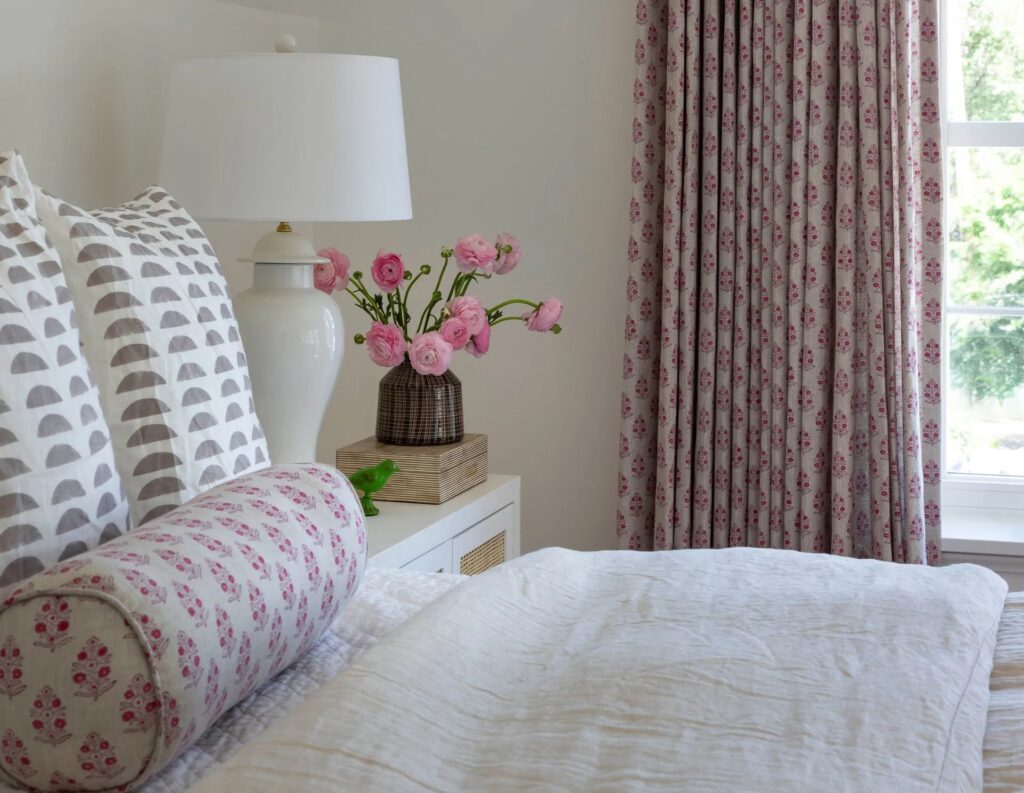
Custom drapery also plays an important role in shaping the atmosphere of commercial environments. Boutique hotels, fine dining restaurants, and luxury retail spaces often use bespoke window treatments to create a sense of intimacy or drama. These settings demand high-quality materials that not only look exceptional but also meet durability standards suitable for public use. Fire-retardant fabrics, reinforced stitching, and concealed hardware are practical considerations that suppliers address without compromising on style.
The influence of regional trends is also shaping fabric and design preferences. In warmer climates, lighter fabrics with heat-reflective linings are proving popular, helping to regulate indoor temperatures. In cooler regions, heavy drapes with thermal linings offer both insulation and a rich, layered look. By tailoring their recommendations to local conditions, suppliers ensure their work delivers comfort as well as aesthetic appeal. For those seeking something truly distinctive, custom printing technology now allows for personalised patterns on high-end fabrics. This innovation opens the door to designs that reflect a brand’s identity, a client’s personal taste, or a project’s theme. Whether it’s a subtle monogram woven into a silk panel or a bold, oversized motif spanning a set of curtains, these bespoke details make a space feel uniquely curated.
Expert Roofing Contractors In DFW Metroplex Services
6 Ways Real Estate Agents in Clermont, FL Simplify the Buying and Selling Process
Why Are Professional Men’s Haircut Services Important?
Boost Your Website’s Performance with HTML Development from Kilobytes Technologies, Mumbai
Top 10 Clothing Brands in USA – Best & Popular US Apparel Brands
