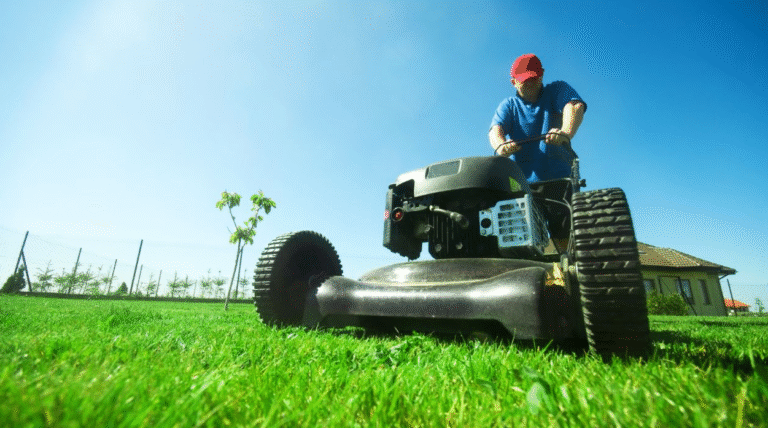




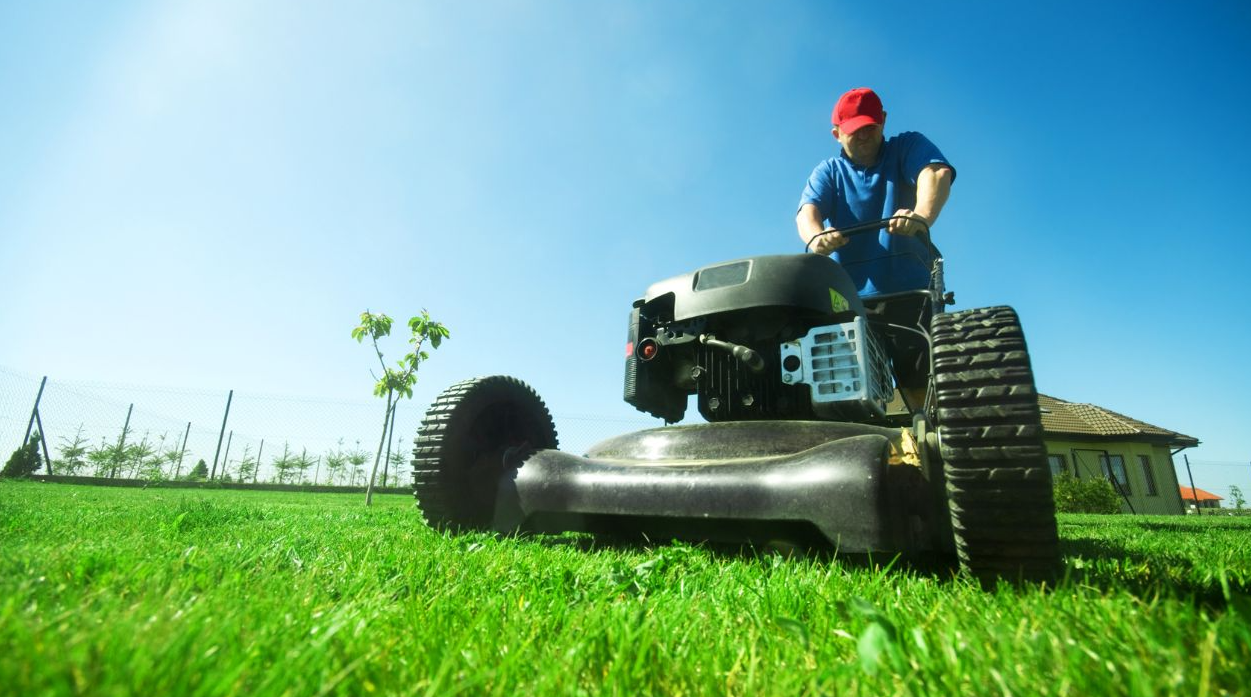
A well-maintained lawn adds value, beauty, and comfort to any home, but achieving that lush green look takes more than just running a mower across the grass. Many homeowners rely on lawn mowing services to maintain their yards, yet those who prefer a do-it-yourself approach often fall into common traps that can damage their lawn over time. Understanding these mistakes can help you avoid costly repairs and ensure your yard stays healthy throughout the seasons.
Cutting Grass Too Short
One of the most frequent mistakes is mowing the grass too short, often referred to as “scalping.” While it may seem like cutting grass shorter reduces the frequency of mowing, it actually harms the lawn. Short grass struggles to photosynthesize effectively, which weakens its root system.
Longer grass blades provide shade to the soil, helping retain moisture and prevent weed growth. When grass is cut too short, weeds find it easier to spread, and the lawn becomes more vulnerable to drought and heat stress. Maintaining an appropriate mowing height based on your grass type is key to promoting a dense and resilient lawn.
Ignoring Mower Blade Maintenance
A dull mower blade can do more damage than many realize. Instead of cutting grass cleanly, it tears the blades, leaving jagged edges that turn brown and make the lawn look unhealthy. Torn grass is also more susceptible to diseases and pests.
Regularly sharpening your mower blades ensures a clean cut, which helps the grass heal quickly and maintain its vibrant color. Ideally, blades should be sharpened after every 20–25 hours of use or at least once per mowing season.
Mowing Too Frequently or Infrequently
Timing plays a crucial role in lawn care. Some homeowners mow too often, cutting off minimal growth each time, while others wait too long, allowing the grass to become overgrown.
A good rule of thumb is the “one-third rule,” which means never removing more than one-third of the grass blade in a single mowing session. Cutting too much at once shocks the plant, while mowing too frequently can stress the lawn unnecessarily. Finding a balanced schedule based on your lawn’s growth rate ensures optimal health.
Mowing Wet Grass
It may be tempting to mow immediately after rain or early in the morning when the grass is still wet with dew, but this can lead to several issues. Wet grass tends to clump, causing uneven cuts and clogging the mower deck.
Additionally, mowing wet grass increases the risk of spreading fungal diseases across the lawn. The mower wheels can also create ruts in soft, damp soil, leading to an uneven surface. Waiting until the grass is dry ensures a cleaner, safer mowing experience.
Using the Same Mowing Pattern Every Time
Consistency might seem beneficial, but repeatedly mowing in the same pattern can cause long-term damage. Grass blades begin to lean in the direction they are cut, resulting in uneven growth and visible lines.
Changing your mowing direction regularly—such as alternating between horizontal, vertical, and diagonal patterns—helps grass grow upright and prevents soil compaction. This simple adjustment can significantly improve the appearance and health of your lawn.
Neglecting Lawn Edges and Corners
While the main lawn area often receives attention, edges and corners are frequently overlooked. Over time, this leads to an untidy appearance, even if the central portion of the lawn is well-maintained.
Using a string trimmer or edging tool to define borders along walkways, driveways, and garden beds creates a polished look. Proper edging also prevents grass from invading unwanted areas, making overall maintenance easier.
Mowing at the Wrong Time of Day
The time of day you mow your lawn can affect its health. Midday mowing exposes freshly cut grass to intense sunlight and heat, which can cause stress and dehydration.
Early morning mowing is not ideal either if the grass is still wet. The best time to mow is typically in the late afternoon or early evening when temperatures are cooler and the grass is dry. This allows the lawn to recover overnight without excessive moisture.
Forgetting to Adjust Mower Height Seasonally
Grass growth changes with the seasons, yet many homeowners keep their mower height constant throughout the year. During hotter months, grass should be left slightly taller to provide shade to the soil and conserve moisture.
In cooler seasons, a slightly shorter cut can be beneficial to prevent mold and disease. Adjusting mower height according to seasonal conditions helps maintain a balanced and healthy lawn.
Leaving Clippings Unmanaged
Grass clippings can be beneficial when managed properly, but excessive buildup can smother the lawn. Thick layers of clippings block sunlight and trap moisture, creating an environment for disease.
Mulching mowers can finely chop clippings and return nutrients to the soil, acting as a natural fertilizer. However, if the grass is too long or wet, it’s better to collect and remove clippings to prevent damage.
Overlooking Lawn Health Before Mowing
Mowing is often treated as a standalone task, but it should be part of a broader lawn care routine. Ignoring issues such as pests, soil quality, or irrigation problems can lead to poor results, no matter how carefully you mow.
Inspecting your lawn before mowing allows you to identify problem areas and address them promptly. Healthy soil, proper watering, and occasional fertilization all contribute to better mowing outcomes.
Using the Wrong Equipment
Not all mowers are suitable for every lawn. Using a mower that is too small or underpowered for your yard can result in uneven cuts and longer mowing times. On the other hand, oversized equipment can damage delicate areas and waste fuel.
Choosing the right type of mower—whether it’s a push mower, self-propelled model, or riding mower—based on your lawn size and terrain ensures efficiency and better results.
Ignoring Safety Practices
Safety is often overlooked during routine lawn care. Failing to clear debris such as rocks, sticks, or toys before mowing can lead to dangerous projectiles.
Wearing proper footwear and protective gear, and ensuring the mower is in good working condition, reduces the risk of accidents. A few precautions can make a significant difference in maintaining both safety and efficiency.
Conclusion
Maintaining a beautiful lawn requires more than regular mowing; it demands attention to detail, proper techniques, and a willingness to adapt to changing conditions. By avoiding these common mistakes, homeowners can improve the overall health and appearance of their yards while reducing long-term maintenance efforts.
Whether you prefer a hands-on approach or seek professional assistance, understanding the fundamentals of proper mowing practices makes all the difference. For those aiming to achieve consistently high-quality results without the hassle, turning to expert support such as lawn mowing Lethbridge can help ensure your lawn remains vibrant, healthy, and visually appealing year-round.
Is August Umrah Ideal for Summer Spiritual Renewal Trips?
A Beginner-Friendly Guide to Lines of Credit & Small Business Loans
Benefits of Thyroid Ablation for Treating Thyroid Nodules
Wheel Alignment vs Wheel Balancing: Key Differences Explained
Fillers Treatments in Dubai: Safe, Fast, and Natural-Looking Results
About the Author