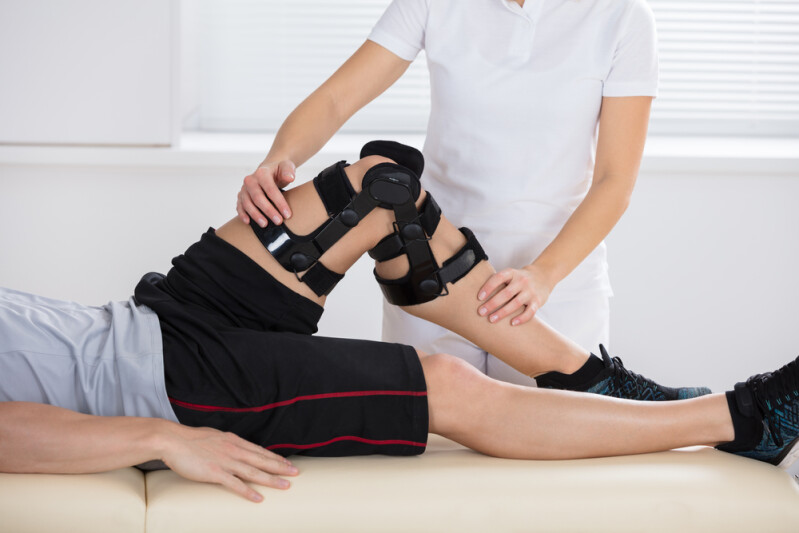
The journey through rehabilitation presents real challenges for many people today. Whether recovering from injury, surgery, or addiction, the path demands commitment. Understanding common mistakes helps you stay on track throughout recovery.
Understanding Rehabilitation and Why It Matters
Rehabilitation represents a structured process designed for physical and mental healing. Many individuals underestimate the importance of following professional guidance during recovery. The rehabilitation process requires patience, dedication, and consistent effort from you.
Recovery isn’t simply about completing the prescribed number of sessions. Your mindset and commitment level directly impact the final outcomes you achieve. People often rush through rehabilitation without understanding the deeper purpose behind each step.
Skipping or Rushing Through Your Prescribed Exercises
One major mistake involves skipping prescribed rehabilitation exercises for various reasons. People think they know better than their medical professionals suggest. This approach frequently leads to incomplete healing and prolonged recovery periods.
Your physiotherapist designs specific exercises targeting your particular injury or condition. Rushing through these movements reduces their effectiveness significantly and causes problems. Proper form and controlled pace matter far more than speed.
Many patients believe they can cut corners early in recovery. This mindset creates setbacks that delay your return to normal activities. Completing exercises correctly takes longer but produces much better results overall.
Ignoring Professional Medical Advice and Guidance
Listening to friends or family instead of professionals creates serious problems. Personal anecdotes about recovery rarely apply to your specific situation accurately. Medical professionals base recommendations on science, not on casual experience.
Rehabilitation specialists spend years studying human recovery and movement patterns. They understand how your body responds to specific therapeutic interventions. Ignoring their expertise often results in re-injury or complications down the road.
Your rehabilitation team includes physiotherapists, doctors, and other trained specialists. They work together to create a personalized recovery plan just for you. Deviating from this plan without professional approval risks your progress significantly.
Overestimating Your Physical Capabilities Too Soon
Feeling slightly better often leads people to do too much activity. The enthusiasm for returning to normal life sometimes overrides medical wisdom. This common mistake frequently causes setbacks that extend recovery timelines considerably.
Your body needs time to rebuild strength and regain proper function. Pushing too hard too fast strains healing tissues and causes reinjury. Conservative progression follows the “low and slow” philosophy for good reason.
Rehabilitation specialists understand how tissues heal at cellular levels. They create timelines based on biology, not on your impatience. Following their conservative approach protects your long-term health and wellness outcomes.
Not Maintaining Consistency in Your Rehabilitation Schedule
Skipping sessions because you feel busy interrupts your recovery momentum significantly. Rehabilitation works through consistent, repetitive stimulus applied over time. Occasional sessions cannot produce the same results as regular attendance does.
Your body adapts to the rehabilitation stimulus over weeks and months. Missing sessions breaks this adaptive process and requires starting over. Think of rehabilitation like learning an instrument or developing athletic skills.
Establishing a regular schedule treats rehabilitation as non-negotiable time. Just as you wouldn’t skip work, don’t skip rehabilitation appointments carelessly. Consistency remains the most reliable predictor of successful rehabilitation outcomes overall.
Neglecting Pain Management and Proper Recovery Techniques
Some people believe pushing through pain leads to faster recovery progress. Actually, managing pain appropriately supports better healing and rehabilitation outcomes. Pain indicates your body needs attention and careful management strategies.
Using ice, heat, compression, and elevation reduces inflammation and discomfort. Your rehabilitation team should teach you proper pain management techniques. Ignoring discomfort often escalates it into more serious problems during recovery.
Adequate sleep, nutrition, and hydration support your body’s healing capabilities. These recovery fundamentals work alongside your rehabilitation exercises for best results. Neglecting these basics undermines all the hard work you do in sessions.
Making Poor Lifestyle Choices During Your Recovery Period
Returning to old habits like smoking or excessive alcohol consumption can harm. These substances impair your body’s natural healing and regenerative processes. Many people don’t realize how much lifestyle affects rehabilitation success rates.
Poor nutrition leaves your body lacking the resources needed for tissue repair. Your muscles, bones, and connective tissues require proper fuel to heal. Quality protein, vitamins, and minerals support your recovery at the cellular level.
Sleep deprivation reduces your body’s ability to adapt and rebuild. Most healing happens during sleep when your body repairs damaged tissues. Getting seven to nine hours supports your rehabilitation progress significantly more.
Failing to Communicate with Your Rehabilitation Team
Hiding pain or difficulties from your therapist prevents proper adjustments. Your rehabilitation professional needs accurate information to modify your treatment plan. Staying silent about problems means continuing ineffective or potentially harmful exercises.
Your therapist can’t help if they don’t know about your struggles. Regular communication allows them to fine-tune your rehabilitation approach. Speaking up about challenges shows maturity and commitment to recovery success.
Many people feel embarrassed discussing their limitations or concerns with professionals. Remember that your rehabilitation team wants you to succeed and heal. They’ve heard everything before and won’t judge your situations unfairly.
Losing Mental Focus and Motivation Throughout Recovery
Rehabilitation demands mental resilience alongside physical effort and commitment. Many people underestimate the psychological challenges of long-term recovery processes. Motivation naturally fluctuates, requiring strategies to maintain focus during difficult phases.
Setting realistic goals helps maintain motivation during your rehabilitation journey. Celebrate small victories rather than focusing only on end results. Short-term wins build momentum and keep you engaged in your recovery.
Connecting with others undergoing similar rehabilitation provides valuable support. Support groups and rehabilitation communities help normalize your experiences and challenges. You’re not alone in struggling with motivation or rehabilitation difficulties overall.
Returning to Activity Without Proper Clearance from Professionals
Many people return to sports or work too quickly during recovery. This premature return often causes re-injury, requiring extended rehabilitation periods. Your medical team must clear you before resuming normal activities completely.
Rehabilitation has specific milestones before returning to different activity levels. Progressive return-to-activity protocols prevent re-injury and ensure lasting recovery. Skipping these protocols risks undoing all your rehabilitation progress entirely.
Whether visiting a Physiotherapy Clinic In Coquitlam or local facilities, follow clearance guidelines. Professional guidance determines when your body is genuinely ready safely. Patience during this phase protects your long-term health and prevents complications.
Not Addressing Mental Health During Physical Rehabilitation
Physical injury often brings emotional and psychological challenges alongside recovery. Depression, anxiety, and frustration commonly accompany rehabilitation processes and recovery. Ignoring mental health impacts prolongs overall recovery and complicates healing efforts.
Your rehabilitation team should address psychological aspects of recovery too. Many facilities offer counseling or mental health support for patients. Addressing these components together produces better holistic healing and wellness outcomes.
Support from family, friends, and professionals helps manage emotional challenges. Talking about fears and frustrations prevents them from derailing your recovery. Mental resilience proves just as important as physical conditioning during rehabilitation.
Conclusion: Your Path to Successful Rehabilitation
Avoiding these common mistakes significantly improves your rehabilitation outcomes. Success requires commitment, proper guidance, and realistic expectations about recovery. Your rehabilitation journey is personal and unique to your specific situation.
Work closely with your healthcare team throughout your entire recovery. Follow their guidance, communicate openly, and maintain consistent effort always. Recovery takes time, but proper rehabilitation practices lead to lasting results.
Remember that rehabilitation is an investment in your long-term health. Taking shortcuts now creates problems that cost you later in life. Embrace the process, stay patient, and trust the proven rehabilitation methods.
Garage Door Track Problems? Here’s How to Fix Them
Top Tips for Buying and Selling a Home in 2026: A Comprehensive Guide
How to Monitor and Maintain Workplace Vending Machines Efficiently
Raspberry Hills | Raspberry Hills Clothing | Get 30% Off
Discover the Best Aesthetic Clinic in Dubai for Fillers and Facial Contouring
