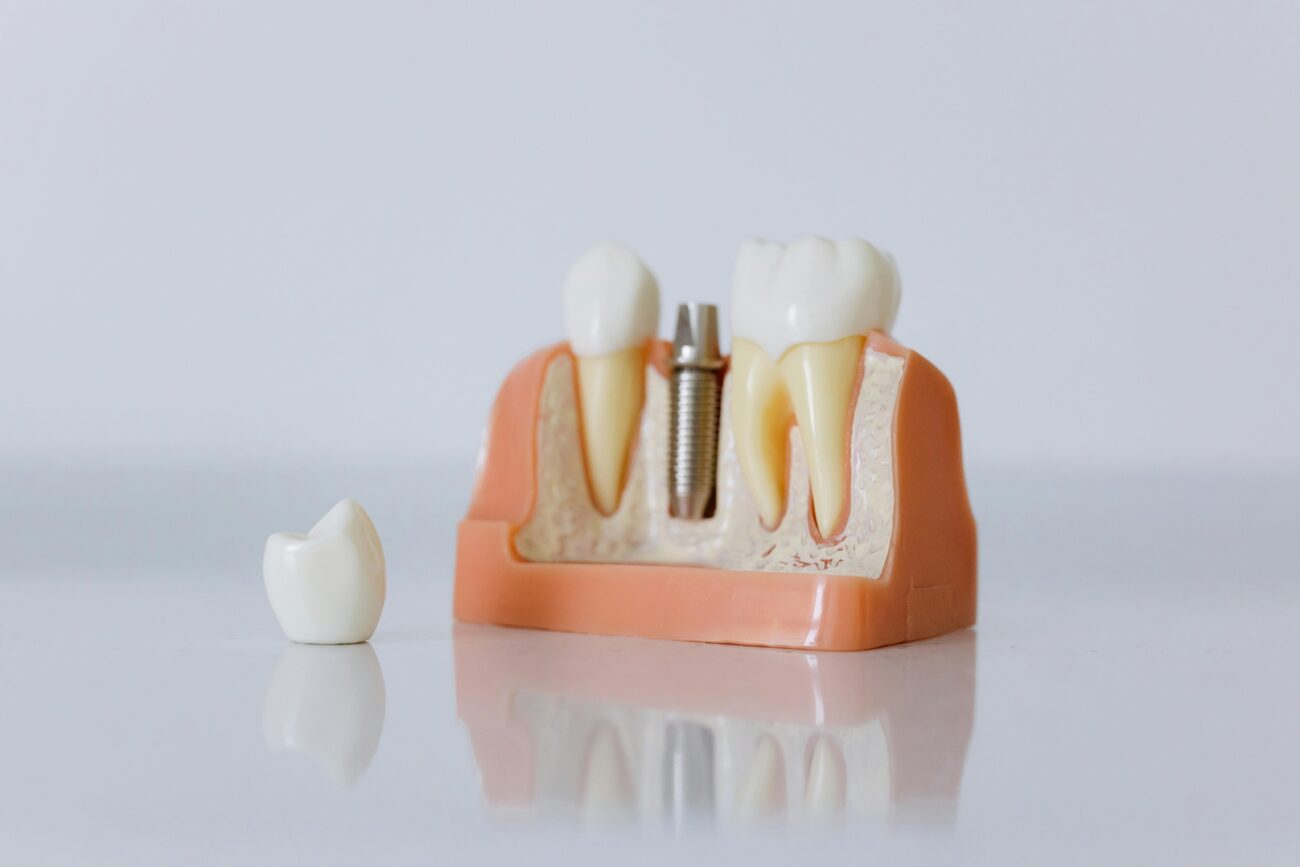
Common Materials Used for Tooth Restoration
Dental crowns are designed to restore the shape, strength, and appearance of damaged teeth using a variety of materials suited to different needs. Choosing the right type depends on durability, aesthetics, and placement within the mouth. Understanding how dental crowns function helps patients make informed decisions about their oral health.
Each material offers unique advantages. Some are preferred for their natural appearance, while others are selected for their long lasting strength. Dentists often recommend a specific type based on factors such as tooth position, bite pressure, and personal preference.
Porcelain Crowns for Natural Appearance
Aesthetic Advantages
Porcelain crowns are widely chosen for their ability to mimic the colour and translucency of natural teeth. They blend seamlessly with surrounding teeth, making them ideal for front tooth restorations. Patients seeking a visually appealing solution often opt for this material.
Suitable Applications
These crowns are best suited for visible areas of the mouth where aesthetics matter most. They are commonly used for restoring chipped, cracked, or discoloured teeth. However, they may not be as strong as metal based options when exposed to heavy biting forces.
Ceramic Crowns for Metal Free Solutions
Biocompatibility Benefits
Ceramic crowns are an excellent choice for individuals with metal sensitivities. They are made entirely from non metal materials, reducing the risk of allergic reactions. This makes them a safe and comfortable option for many patients.
Durability and Function
Although similar in appearance to porcelain, ceramic crowns are slightly more robust. They provide a good balance between strength and aesthetics, making them suitable for both front and some back teeth.
Metal Crowns for Strength and Longevity
High Resistance to Wear
Metal crowns, often made from gold or other alloys, are known for their exceptional durability. They can withstand strong biting and chewing forces without cracking or breaking. This makes them a reliable option for molars.
Minimal Tooth Reduction
One of the key benefits of metal crowns is that they require less removal of the natural tooth structure. This helps preserve more of the original tooth while still providing excellent protection.
Porcelain Fused to Metal Crowns
Balanced Strength and Appearance
Porcelain fused to metal crowns combine the strength of metal with the aesthetic appeal of porcelain. The metal base provides durability, while the outer porcelain layer offers a natural look.
Versatile Usage
These crowns can be used for both front and back teeth. However, over time, the metal underneath may become slightly visible near the gum line, especially if gum recession occurs.
Zirconia Crowns for Advanced Performance
Exceptional Strength
Zirconia crowns are among the strongest options available in modern dentistry. They are highly resistant to fractures and can endure significant pressure, making them ideal for back teeth restorations.
Improved Aesthetics
Despite their strength, zirconia crowns also offer a pleasing appearance. Newer designs provide better translucency, allowing them to look more like natural teeth compared to older versions.
Resin Crowns for Cost Effective Treatment
Affordability Factor
Resin crowns are typically more affordable than other types. They are often used as a temporary solution while waiting for a permanent crown to be fabricated.
Limitations in Longevity
While cost effective, resin crowns are less durable and more prone to wear and fractures. They may require replacement sooner than other materials, making them less suitable for long term use.
Key Benefits Across Different Crown Types
Protection of Damaged Teeth
Crowns act as a protective cover, shielding weakened teeth from further damage. They help restore functionality and prevent issues such as cracks or decay from worsening.
Restoration of Tooth Function
By rebuilding the structure of a tooth, crowns allow patients to chew and speak properly. This improves overall oral function and comfort.
Enhancement of Smile Aesthetics
Crowns significantly improve the appearance of teeth by correcting shape, size, and colour. This boosts confidence and contributes to a more attractive smile.
Long Term Oral Health Support
With proper care, crowns can last for many years. They support surrounding teeth and help maintain alignment within the mouth.
Factors to Consider When Choosing a Crown
Tooth Location
Front teeth require a more natural appearance, making porcelain or ceramic ideal choices. Back teeth benefit from stronger materials such as metal or zirconia.
Budget Considerations
Costs vary depending on the material used. Patients should discuss options with their dentist to find a solution that fits both their needs and budget.
Personal Preferences
Some individuals prefer metal free restorations for health or aesthetic reasons. Others prioritise durability over appearance. Understanding personal priorities helps guide the decision making process.
FAQs
What is the most durable type of crown?
Zirconia and metal crowns are considered the most durable due to their ability to withstand strong biting forces.
How long do crowns typically last?
Most crowns last between 10 to 15 years, depending on the material and how well they are maintained.
Are crowns suitable for front teeth?
Yes, porcelain and ceramic crowns are commonly used for front teeth because they closely match the natural tooth appearance.
Do crowns require special care?
Crowns should be cared for like natural teeth, including regular brushing, flossing, and routine dental check ups.
Family Pool vs Luxury Pool: Which Build Is Right for Your Home?
Die Top 5 Padel-Plätze in Deutschland – The Racquet Club
Expert Plastering Service Auckland for Interior Painting Auckland and Exterior Painting
Small Cap Growth Stocks – The Ultimate Guide to Finding High Potential Investment Opportunities
Thermal Break Aluminium vs Standard Aluminium Windows: Full Comparison
