


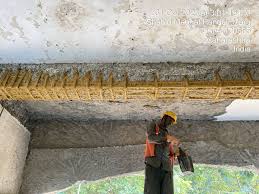
Building rehabilitation has become essential for structures facing ageing, weather damage or long-term wear. Many property owners search for terms like concrete repair, structural strengthening or waterproofing solutions when they notice cracks, dampness or weakened slabs. Rehabilitation goes beyond temporary fixes. It focuses on restoring a building’s safety, durability and functionality. This helps extend its lifespan and reduces major repair expenses later, making it a smart long-term investment for both residential and commercial properties.
Why Buildings Deteriorate Over Time
Ageing materials, poor maintenance cycles, heavy usage and environmental stress can cause a building to weaken. Properties often face issues like corrosion of reinforcement, settlement cracks, leakage in basements, damaged columns or weakened beams. Many people look online for solutions such as structural retrofitting, concrete strengthening and waterproofing repair because the problems keep returning. This is where building rehabilitation becomes important since it approaches the structure as a whole instead of treating isolated defects.
How Rehabilitation Differs From Routine Repairs
Routine repair focuses on visible defects, while building rehabilitation starts with a deeper investigation to understand why the damage occurred. Engineers often use tools like structural audits, core testing and non-destructive tests to assess the building’s health. This allows professionals to create a long-term rehabilitation plan instead of applying quick fixes. This difference is why many owners prefer rehabilitation services when cracks, dampness or settlement issues repeatedly appear despite small repairs.
Structural Strengthening as a Core Element
One of the most searched solutions linked with building rehabilitation is structural strengthening. When beams, columns or slabs lose load-bearing capacity, the entire property becomes unsafe. Techniques like concrete jacketing, steel plate bonding, carbon fibre wrapping or micro-concrete encasement are widely used to restore strength. Strengthening ensures the building can handle daily loads as well as additional stress from future expansions, making it a crucial component of long-term rehabilitation.
Addressing Leakage and Dampness Effectively
Leakage, seepage and moisture-related damage are among the top reasons people search for waterproofing contractors or basement waterproofing solutions. Persistent water entry can weaken concrete, corrode reinforcement and cause fungal growth. As part of building rehabilitation, waterproofing helps protect roofs, bathrooms, terraces and external walls. Using proper membranes, coatings or injection grouting helps prevent water intrusion and restores the structural integrity of the building, especially in areas affected by heavy rainfall.
The Importance of Concrete Repair and Restoration
Concrete deterioration is one of the earliest signs that a structure needs professional attention. Many property owners search for concrete crack repair or spalling repair when they notice chipping or powdery surfaces. In building rehabilitation, concrete repair involves removing damaged layers, treating reinforcement, applying bonding agents and restoring the section with suitable repair mortars. This improves durability and prevents further deterioration, especially in coastal regions where moisture and salt exposure are high.
Identifying Early Warning Signs in Buildings
Understanding early symptoms helps owners decide the right time to seek building rehabilitation. Warning signs include widening cracks, uneven floors, sagging slabs, corrosion stains, peeling paint, persistent damp patches or hollow concrete sounds. People often look for terms like structural audit or building inspection when these issues appear. Addressing them early not only reduces repair costs but also ensures occupants remain safe throughout the rehabilitation process.
Advantages of a Complete Rehabilitation Approach
A full-scale building rehabilitation plan offers several long-term benefits. It improves safety, enhances structural stability and prevents recurring damage. Rehabilitated buildings often enjoy lower maintenance costs, better resale value and improved functionality. Many owners choose rehabilitation instead of demolition because it preserves the original structure while upgrading it to modern safety standards. It also reduces construction waste and supports sustainable building practices, which is becoming more important in urban redevelopment.
How Structural Audits Shape the Rehabilitation Plan
Before starting any major work, experts recommend a detailed structural audit. Many property owners search for structural health check services when cracks or water leakage become severe. A detailed audit identifies weak zones, corrosion levels, load problems and hidden defects. In building rehabilitation, this analysis becomes the foundation for planning all repair and strengthening activities. Without this step, repairs may be incomplete or ineffective, causing future damage and unnecessary expense.
Using Retrofitting to Enhance a Building’s Lifespan
Retrofitting has become a widely searched term, especially for buildings preparing for regulatory safety inspections or additional floors. Retrofitting enhances a building’s ability to handle loads, vibrations or earthquakes. In building rehabilitation, it may include adding braces, improving column strength or upgrading foundation support. Retrofitting allows old buildings to meet current safety demands without full reconstruction, making it a preferred choice for housing societies and commercial complexes.
Role of Better Materials in Rehabilitation Success
Improved materials play a major role in modern building rehabilitation. High-strength micro concrete, corrosion-resistant treatments, polymer-modified mortars and carbon fibre wraps offer durability that older buildings lacked at the time of construction. Many owners search for these advanced strengthening methods due to their long-term reliability. Using the right materials ensures that once rehabilitation is done, the structure remains stable for decades, even under challenging climate conditions.
Handling Severe Structural Damage Safely
Severe structural damage requires immediate attention before rehabilitation begins. These include buckling columns, deep settlement cracks or visible reinforcement corrosion. People often look up emergency structural support or temporary shoring when the damage threatens building safety. In such situations, professionals stabilise the structure first and then continue with building rehabilitation. This step ensures work is safe for both residents and workers and prevents accidents during the restoration process.
Impact of Weather Conditions on Rehabilitation Planning
Weather plays a major role in selecting the right time for building rehabilitation. Heavy rain, high humidity or extreme heat can affect concrete setting, waterproofing quality and repair strength. Many owners search for the best season for structural repairs or terrace waterproofing because proper weather conditions ensure better results. Planning rehabilitation during stable weather helps the building absorb treatments correctly and ensures long-lasting durability.
How Rehabilitation Helps Maximise Building Value
Owners often consider building rehabilitation when planning to sell, rent or redevelop their property. A structurally sound, moisture-free and aesthetically restored building receives higher market value. Buyers and tenants prefer well-maintained structures, while societies looking for redevelopment use rehabilitation to extend the building’s usable years. Rehabilitation also reduces long-term maintenance costs, making it an economical choice for property asset management.
Choosing the Right Experts for the Job
Selecting qualified professionals is one of the most critical decisions in the rehabilitation journey. Many people search for experienced civil engineers, structural consultants and refurbishment specialists when the damage becomes complex. A trained team assesses the building correctly, uses the right materials and follows safety guidelines. Proper execution ensures the entire building rehabilitation process is reliable, efficient and aligned with industry standards.
Building rehabilitation is more than restoring appearance. It focuses on strengthening the entire structure, preventing future damage and supporting long-term safety. With the rise in ageing buildings and expanding urban spaces, rehabilitation has become a practical and cost-effective solution. A well-planned approach helps owners protect their investment, enhance structural performance and ensure a safe living environment for everyone occupying the space.
Best Weight Loss Injection Options Available
Top-Rated Beirut Escorts Offering Sophisticated Experiences
Saving Time and Money with a Healthcare Virtual Assistant Today
What to Look for When Choosing a Trade Show Booth Manufacturer in the U.S.?
How Recreational Cannabis Stores Work: Rules and Regulations
About the Author