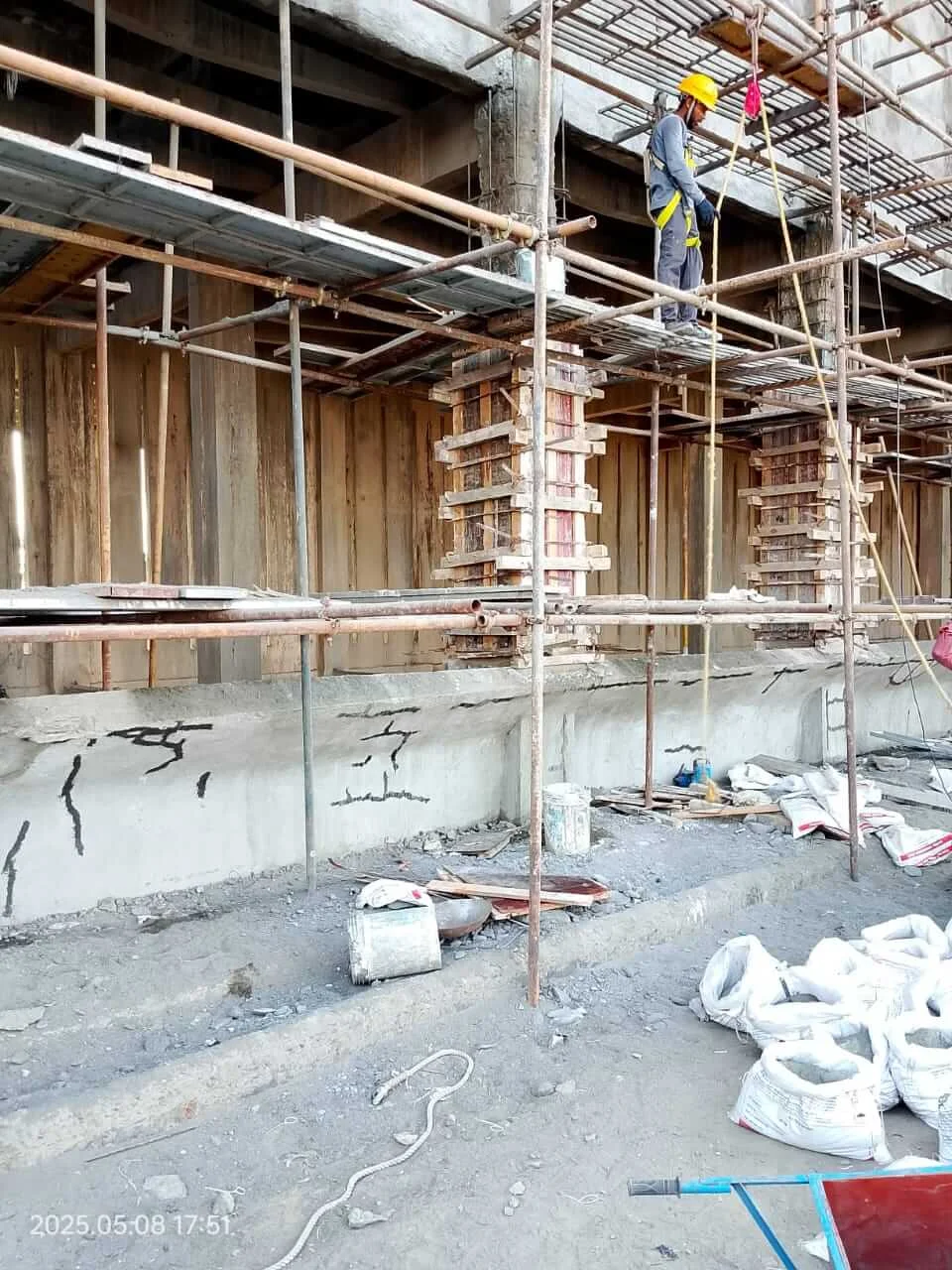
Many buildings across India are now crossing the age of twenty to thirty years, which is when structural deterioration becomes common. Issues like reduced load capacity, corrosion, cracks and weakened columns demand reliable strengthening solutions. Among all available repair methods, concrete jacketing stands out as one of the most trusted techniques for restoring strength and stability. This blog explains how it works, where it is used and why homeowners, builders and facility managers frequently search for it.
What Is Concrete Jacketing
Concrete jacketing is a method used to increase the load-carrying capacity of structural elements that have weakened due to age, corrosion or design limitations. It involves adding a fresh layer of reinforced concrete around columns, beams or walls to improve strength and stiffness. This method works well for residential buildings, commercial properties, industrial setups and infrastructure structures that need long-term reinforcement without major demolition.
Why Concrete Jacketing Is in High Demand Today
Across urban areas, people commonly look for strong structural repair techniques because older buildings face repeated issues like cracks, spalling and reinforcement corrosion. Concrete jacketing is popular because it enhances durability without disturbing the overall structure. It suits properties undergoing redevelopment delays, heavy usage or design upgrades. As cities grow vertically, the need for strengthening old columns also increases, making this method highly relevant for safety and long-term usability.
How Concrete Jacketing Strengthens RCC Columns
When experts apply concrete jacketing, they wrap the existing column with steel reinforcement and add concrete to increase its cross-section. This improves compressive strength, stiffness and ductility. The added thickness protects old reinforcement from further corrosion and helps distribute load more evenly. Due to its ability to handle heavy loads, this method is widely used in old housing societies, commercial buildings and industrial plants where column failure risk must be reduced.
When Buildings Need Concrete Jacketing
Property owners usually start searching for concrete jacketing when they notice serious structural symptoms. These include wide cracks, exposed steel bars, reduced column size due to corrosion, visible spalling and misalignment caused by settlement. Engineers also recommend jacketing when a building undergoes a change in use, such as installing heavy machinery, adding floors or modifying its layout. It ensures that the old structure safely handles new loads without compromising stability.
Concrete Jacketing for Load Increase Requirements
Many structures need strengthening when additional floors are planned. In such cases, concrete jacketing is the safest and most effective strengthening technique because it increases the load capacity without replacing the original members. Builders and housing societies often look for this method while preparing for extensions, renovations or redevelopment delays. It helps maintain structural integrity while allowing the property to support higher vertical loads with confidence.
Concrete Jacketing for Earthquake Resistance
Structural engineers often recommend concrete jacketing in seismic zones because it improves the ductility of columns. During an earthquake, columns must withstand lateral forces, and jacketing increases their ability to absorb shocks. This method is widely preferred in older buildings that were constructed before modern earthquake-resistant design standards. Strengthening columns helps prevent sudden collapses and keeps residents safer during tremors or aftershocks.
Concrete Jacketing vs. Other Strengthening Methods
While there are several strengthening methods like carbon fibre wrapping, steel plate bonding and FRP systems, concrete jacketing remains a dependable option for heavy structural elements. It is more cost-effective for large-scale repairs and provides strong fire resistance. It also offers better load distribution and is less vulnerable to damage from impact. Many engineers choose this method for long-term durability, especially in buildings with significant structural distress.
Steps Involved in Concrete Jacketing Work
Skilled contractors follow a detailed procedure to ensure the success of concrete jacketing. First, they remove loose concrete and clean reinforcement. New steel is placed and tied properly. Shear connectors or dowels are drilled to bond the jacket with the old surface. High-strength concrete or micro-concrete is applied around the column. Proper curing is done to ensure strength development. Each step must be handled carefully to avoid errors that affect performance.
Materials Used in Concrete Jacketing
The effectiveness of concrete jacketing depends on the quality of materials used. Contractors use high-grade reinforcement bars, binding wire, bonding agents and durable micro-concrete mixes. Many buildings with severe damage require high-strength repair mortar with good flowability. These materials ensure proper bonding between the old and new concrete layers. Good curing practices also play a major role in building long-term strength and stability.
Advantages of Concrete Jacketing
The biggest advantage of concrete jacketing is enhanced structural safety. It increases the load-bearing capacity of columns, reduces failure risk and improves stiffness. It also protects old reinforcement from corrosion and strengthens elements affected by overloading. The method is long-lasting, suitable for both residential and industrial buildings, and works well in environments with heavy machinery, vibration or high occupancy. It is one of the most reliable strengthening methods for ageing buildings.
Concrete Jacketing for Industrial Buildings
Factories, warehouses and production units often have structural elements exposed to vibration, chemicals and heavy loads. Concrete jacketing is ideal for strengthening columns that support cranes, conveyors or industrial equipment. It helps restore stability in areas where corrosion or repeated stress has reduced capacity. Many facility managers choose jacketing while planning machinery upgrades or process expansion because it offers long-term strength without major rebuilding.
Concrete Jacketing for Commercial Complexes
Commercial properties attract heavy footfall, high equipment loads and frequent renovations. Over time, these activities impact the structural elements. Concrete jacketing helps restore strength and extend service life. It is suitable for malls, office buildings and retail spaces where safety and uninterrupted usage are priorities. Since it causes minimal structural disturbance, businesses can continue operations in most cases while repairs are carried out in planned phases.
Cost Considerations for Concrete Jacketing
People searching for concrete jacketing often want clarity on cost. Pricing depends on damage severity, column size, reinforcement quantity, material selection and accessibility. Micro-concrete jackets may cost more than normal concrete but offer better performance. The total expense also includes labour, surface preparation and curing time. Although the initial investment may seem higher, it remains more economical than column replacement or building demolition.
How Engineers Decide If Jacketing Is Required
Before recommending concrete jacketing, engineers inspect cracks, measure reinforcement corrosion and conduct non-destructive tests. They evaluate load conditions and identify structural weaknesses. Based on calculations, they decide whether jacketing is needed, what thickness is required and how much reinforcement must be added. A well-designed jacket ensures balanced load transfer and improves the overall safety profile of the building.
As buildings age, strengthening becomes a priority for safety and long-term performance. Concrete jacketing remains one of the most reliable methods to enhance load capacity, repair damaged columns and restore stability. It suits residential, commercial and industrial structures facing deterioration or increased load requirements. With proper design, materials and workmanship, jacketing extends the life of RCC structures and ensures they continue operating safely for many more years.
