




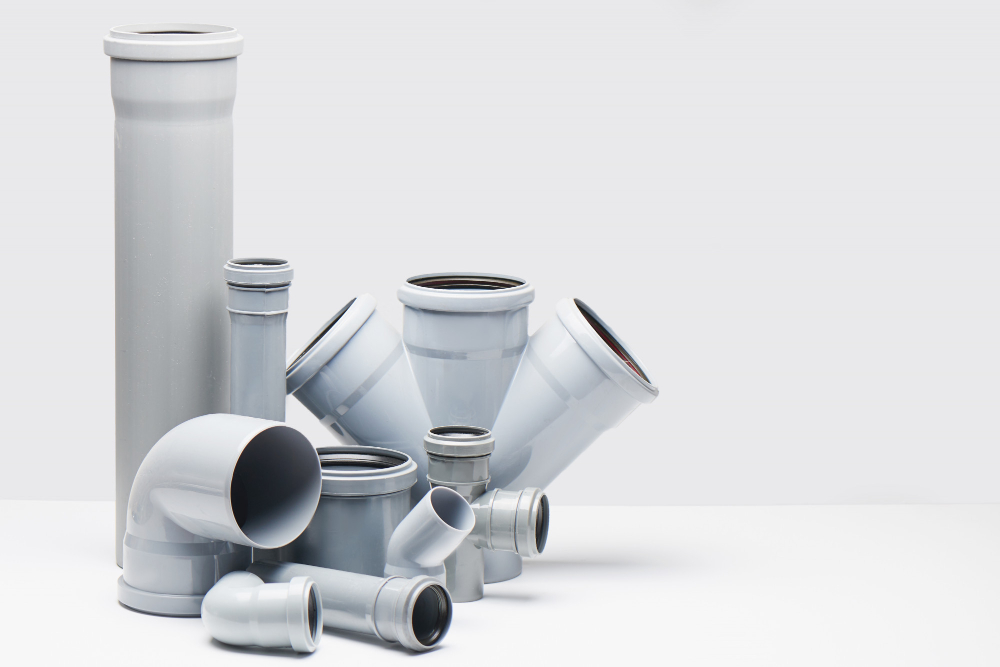
Introduction: Why CPVC Pipework Matters Today
The plumbing industry has evolved significantly in the last few decades, and one material that has stood out in this evolution is CPVC Pipework. From residential water systems to large-scale industrial setups, this material has proven to be a game-changer. Its adaptability, resistance to corrosion, and long-term performance make it a preferred choice over traditional materials like metal or PVC.
In today’s modern infrastructure, where efficiency, cost-effectiveness, and durability are critical, CPVC Pipework provides an unmatched balance. This blog explores the composition, benefits, installation techniques, and applications of CPVC Pipework, while also shedding light on why it has become a standard in plumbing design.
What Is CPVC Pipework?
CPVC Pipework, short for Chlorinated Polyvinyl Chloride pipework, is a thermoplastic piping system created by chlorinating PVC resin. This process enhances the pipe’s ability to withstand high temperatures and pressure. Unlike conventional PVC, which is suitable only for cold-water distribution, CPVC Pipework can handle both hot and cold water applications effectively.
The chlorination process changes the chemical structure of the material, making it more durable and resistant to chemical reactions. Because of these properties, CPVC Pipework has found widespread use across industries, including residential, commercial, and industrial sectors.
Composition and Manufacturing Process
The strength and efficiency of CPVC Pipework stem from its unique chemical makeup. It begins with standard PVC resin, which undergoes a chlorination process. During this step, chlorine atoms are introduced into the polymer chain, resulting in enhanced temperature resistance and fire-retardant properties.
Once the resin is ready, it’s melted and extruded into various pipe diameters and thicknesses. The manufacturing process is carefully controlled to ensure that each pipe meets performance and safety standards. The result is a material capable of withstanding temperatures up to 200°F (93°C), making CPVC Pipework ideal for hot water distribution systems.
Key Advantages of CPVC Pipework
The widespread use of CPVC Pipework isn’t coincidental—it’s driven by tangible benefits that set it apart from other materials.
1. Heat and Pressure Resistance
One of the most remarkable features of CPVC Pipework is its ability to handle both high temperatures and pressures. Unlike PVC, which softens under heat, CPVC retains its strength even when used in hot water applications. This makes it suitable for both domestic and commercial plumbing networks.
2. Corrosion-Free and Chemical Resistant
Traditional metal pipes often corrode over time, leading to leaks, contamination, and reduced water flow. CPVC Pipework, however, resists corrosion, scaling, and pitting, ensuring cleaner water and a longer system lifespan. It is also unaffected by most household chemicals, making it reliable in environments where chemical exposure is common.
3. Smooth Internal Surface
The inner walls of CPVC Pipework are exceptionally smooth, which minimizes frictional losses and maintains high water flow rates. This property also helps prevent the buildup of sediments, ensuring consistent performance over time.
4. Cost-Effective and Easy to Install
CPVC Pipework is lightweight and easy to handle, reducing installation time and labor costs. It can be joined using simple solvent cementing methods rather than expensive welding or threading, making it a budget-friendly choice for contractors and homeowners alike.
5. Long Service Life
With proper installation, CPVC Pipework can last for several decades without requiring frequent repairs or replacements. Its durability makes it an ideal long-term investment for modern plumbing systems.
Applications of CPVC Pipework Across Industries
CPVC Pipework is known for its versatility. It caters to multiple sectors, providing safe and efficient fluid transportation in both residential and industrial contexts.
Residential Plumbing Systems
In homes, CPVC Pipework is primarily used for hot and cold water distribution. Its ability to handle high temperatures without deformation makes it ideal for kitchen, bathroom, and shower applications. Additionally, its corrosion resistance ensures water purity, which is essential for domestic use.
Commercial Buildings
Hotels, hospitals, and schools rely heavily on CPVC Pipework for consistent water supply. It performs well under continuous use, maintaining structural integrity and performance even in large-scale systems where hot water demand is high.
Industrial and Chemical Plants
In industries, CPVC Pipework is used to transport chemicals, acids, and hot fluids. Its chemical resistance ensures that the material doesn’t degrade or contaminate the substances being conveyed. This makes it particularly useful in laboratories, food processing units, and manufacturing facilities.
Fire Sprinkler Systems
CPVC Pipework is also suitable for fire suppression systems. It’s designed to handle the pressure and temperature changes during emergency operations, offering a lightweight and cost-effective alternative to metal piping in sprinkler installations.
Installation Best Practices for CPVC Pipework
Proper installation is essential to ensure the longevity and performance of CPVC Pipework. Here are a few key considerations:
1. Accurate Measurement and Cutting
Always measure and cut the pipe using a fine-tooth saw or pipe cutter to achieve a clean, square edge. A rough or uneven edge can cause improper fittings and potential leaks.
2. Use of Solvent Cement
CPVC Pipework is joined using a solvent cement that softens the pipe surface, creating a permanent bond between the pipe and fittings. It’s important to apply the cement evenly and allow adequate curing time before pressurizing the system.
3. Proper Support and Alignment
To avoid stress and sagging, pipes should be supported at regular intervals using appropriate clamps or hangers. Misalignment can lead to joint strain and premature system failure.
4. Avoiding Direct Sunlight Exposure
Although CPVC Pipework is durable, continuous exposure to UV rays can degrade the outer surface. If outdoor installation is required, protective coverings or coatings should be used.
Environmental and Safety Benefits
Another notable aspect of CPVC Pipework is its environmental and safety profile. It is non-toxic and free from harmful additives, making it suitable for potable water systems. Moreover, it doesn’t leach chemicals into the water, ensuring safe consumption.
From an environmental perspective, the production and installation of CPVC Pipework generate less waste compared to metal alternatives. Its lightweight nature also means lower transportation emissions. Additionally, many CPVC systems are recyclable, contributing to sustainable infrastructure development.
Maintenance and Longevity
One of the key reasons CPVC Pipework is preferred is its low maintenance requirement. Unlike metal systems that require frequent inspection for rust or corrosion, CPVC needs minimal upkeep. Regular checks for leaks, proper support, and cleanliness are sufficient to maintain efficiency.
The expected lifespan of CPVC Pipework can exceed 50 years under normal operating conditions. This long service life translates into reduced operational costs and fewer replacements, making it a cost-effective solution in the long run.
Common Misconceptions About CPVC Pipework
Despite its advantages, there are still misconceptions surrounding CPVC Pipework. One common myth is that it becomes brittle over time. In reality, brittleness only occurs if the system is exposed to improper conditions, such as excessive UV radiation or incompatible chemicals.
Another misconception is that CPVC cannot handle high-pressure systems. On the contrary, modern CPVC Pipework is tested to perform exceptionally under both high pressure and temperature, provided installation guidelines are followed correctly.
Future of Plumbing with CPVC Pipework
The demand for CPVC Pipework continues to rise as construction practices evolve. With a growing focus on sustainable materials and efficient water management systems, this technology is set to become a cornerstone of future infrastructure.
Its ability to integrate seamlessly into modern plumbing designs while reducing maintenance costs and environmental impact makes it a go-to choice for engineers, builders, and homeowners alike.
Conclusion: The Strength and Reliability of CPVC Pipework
In summary, CPVC Pipework stands as one of the most reliable and efficient materials in the plumbing industry today. Its unique blend of durability, chemical resistance, and cost-effectiveness makes it ideal for a wide range of applications—from residential water systems to industrial plants.
With proper installation and maintenance, CPVC Pipework offers decades of trouble-free service. As infrastructure continues to advance, adopting such innovative materials ensures safer, more efficient, and sustainable plumbing systems for the future.
About the Author