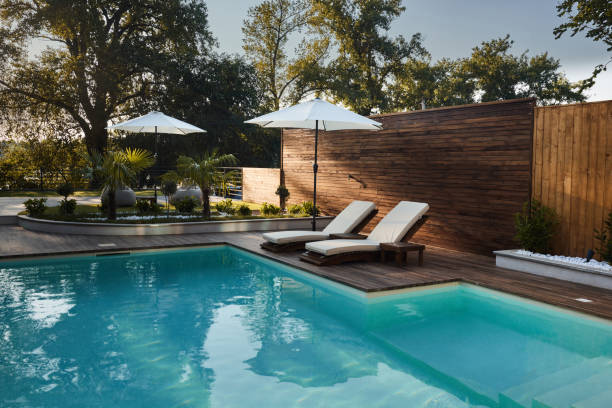
When it comes to maintaining a clean and safe swimming pool, understanding the principles of water circulation and filtration is crucial. These processes work together to ensure that your pool water stays clear, hygienic, and inviting. In this article, we will break down how pool water circulation and filtration work, the different components involved, and how you can optimize these systems to keep your pool in top condition. Whether you are planning to install a new pool or need help maintaining your current one, this guide will provide valuable insights.
The Importance of Pool Water Circulation
Pool water circulation is the process by which water is constantly moved throughout the pool system. Proper circulation helps prevent stagnant water, which can lead to the growth of algae and the accumulation of debris. It also ensures that chemicals are evenly distributed throughout the pool, promoting overall pool health.
Good circulation allows your pool’s filtration system to function properly. Without it, the filter won’t be able to remove impurities effectively, and your pool could quickly become unsanitary. To achieve efficient water circulation, it’s important to select a skilled best pool builder who understands the significance of this system and can design your pool for optimal circulation.
The Basic Components of Pool Circulation
To understand how water circulation works, it’s essential to know the primary components of a pool’s circulation system:
- Skimmers: Skimmers are the first line of defense against debris. These devices are installed at the water’s surface and work by drawing in debris such as leaves, bugs, and dirt. The debris is then sent to the pool filter for removal. Skimmers help maintain the cleanliness of your pool and prevent large objects from clogging the filter.
- Main Drain: The main drain is located at the bottom of the pool and helps remove debris that settles there. It works in conjunction with the skimmers to ensure that water is pulled from every part of the pool. The drain is especially important for ensuring that the pool’s circulation system operates efficiently.
- Pump: The pool pump is the heart of the circulation system. It is responsible for pulling water from the pool and pushing it through the filtration system. The pump works continuously to ensure that water flows smoothly through the entire pool system.
- Filter: The filter is the component responsible for cleaning the pool water. It removes small particles, debris, and impurities that can affect water quality. There are different types of pool filters, including sand filters, cartridge filters, and DE (diatomaceous earth) filters. The type of filter you use will depend on your pool’s needs and the size of your pool.
- Return Jets: After water passes through the filter, it is returned to the pool via the return jets. These jets are located around the pool and distribute the filtered water back into the pool, completing the circulation cycle. The placement of return jets is crucial for ensuring that the water is evenly distributed throughout the pool.
How Pool Filtration Works
Filtration is the next essential process in maintaining clean and clear pool water. Without a filtration system, debris, dirt, and bacteria would accumulate, making the water unsanitary and unsafe for swimming. There are different types of filtration systems, each with its unique method for cleaning water.
Types of Pool Filters
- Sand Filters: Sand filters are one of the most common and affordable types of pool filters. These filters use specially graded sand to trap dirt, debris, and other contaminants. As water flows through the sand, the particles are filtered out, leaving clean water to return to the pool. Sand filters are easy to maintain, but they may not capture the smallest particles as effectively as other types of filters.
- Cartridge Filters: Cartridge filters are more effective at trapping smaller particles compared to sand filters. They consist of a pleated filter element that captures dirt and debris as water passes through. Cartridge filters require less maintenance than sand filters because they do not need backwashing, but they may need to be replaced after a certain amount of time.
- Diatomaceous Earth (DE) Filters: DE filters are considered the most efficient type of pool filter. They use a fine powder made from fossilized algae to trap even the tiniest particles. DE filters provide the highest level of filtration and are ideal for pools that need the clearest water. However, they require more maintenance and are typically more expensive than sand or cartridge filters.
How Filtration Works
The filtration process begins when water is drawn into the pump and sent to the filter. As the water flows through the filter medium (sand, cartridge, or DE), the filter traps particles, dirt, and contaminants, preventing them from returning to the pool. The clean water is then sent back to the pool through the return jets.
Filtration is essential not only for removing debris but also for maintaining proper chemical balance in the pool. By keeping the water clean, the filter ensures that chemicals like chlorine can effectively disinfect the water.
Pool Water Circulation and Filtration Schedule
To keep your pool in optimal condition, it’s important to run your circulation and filtration systems on a regular schedule. The amount of time needed to circulate and filter pool water depends on several factors, including the size of the pool, the type of filter, and the weather conditions.
As a general rule, your pool’s circulation system should be running for at least 8–12 hours a day. In warmer weather, when debris and algae are more likely to thrive, you may need to run the system for longer periods. The pump should run continuously during the day and ideally be set to run in cycles to ensure efficient circulation.
How to Maintain Your Pool’s Circulation and Filtration System
Proper maintenance of your pool’s circulation and filtration systems is crucial for ensuring that your pool remains clean, safe, and efficient. Here are some essential tips to maintain these systems:
- Clean the Skimmers Regularly: The skimmers are responsible for catching surface debris, so it’s important to check them regularly and remove any debris that has been collected. If the skimmer baskets are full, the water will not circulate properly.
- Check the Main Drain: Ensure that the main drain is clear of debris. If the drain is blocked, it can prevent water from being properly drawn into the circulation system.
- Backwash or Clean the Filter: Depending on the type of filter you have, it’s important to backwash or clean the filter regularly to ensure it functions effectively. For sand and DE filters, backwashing is necessary to remove accumulated debris. Cartridge filters should be removed and cleaned with a hose.
- Monitor the Pump: Make sure the pump is working efficiently. If you notice that the water flow is weak or the pump is making unusual noises, it may be time for maintenance or replacement.
- Adjust the Return Jets: Ensure that the return jets are properly adjusted to circulate water evenly throughout the pool. This will help prevent stagnant spots and improve filtration efficiency.
- Professional Pool Cleaning Service: Even with regular maintenance, it’s important to schedule regular professional pool cleaning services. A professional pool cleaner will inspect the system, clean the filter, and ensure that everything is functioning properly.
Conclusion
Proper pool water circulation and filtration are essential for maintaining a clean, safe, and aesthetically pleasing swimming pool. By ensuring that water is constantly circulated and filtered, you can prevent the growth of algae, remove debris, and maintain water chemistry. Regular maintenance and professional pool cleaning services are essential for keeping your system running efficiently. By choosing a skilled pool builder who understands the nuances of circulation and filtration, you can ensure that your pool remains in top condition for years to come.
Whether you’re installing a new pool or looking for reliable pool cleaning services, selecting the best pool builder and ensuring proper maintenance will help keep your pool enjoyable and hygienic for you and your family.
