

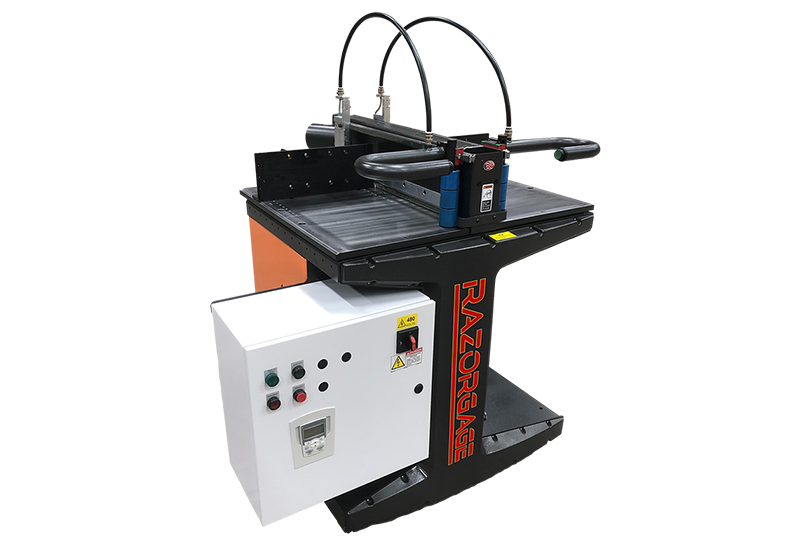
In modern industrial woodworking and metal fabrication, precision and repeatability are non-negotiable. Upcut saws have become a cornerstone for shops that need clean cuts, high throughput, and consistent accuracy across long production runs. Whether you are upgrading from manual cutting methods or optimizing an automated line, understanding how upcut saws work and why systems like RazorGage are so widely adopted can help you make better equipment decisions.
Understanding Upcut Saws
Rising through the workpiece from beneath the surface, an upcut saw uses a blade that pushes upward during operation. Its movement brings tighter precision, smoother cuts, its edge quality outperforms standard chop or radial models. With the stock held still and only the blade in motion, repeatability increases without extra strain. Shops built around output find it fits neatly beside robotic loaders and digital gauges.
A blade that moves upward sets these tools apart from hand-held versions. Where exactness counts, woodworkers rely on them just as much as those shaping aluminum profiles. Precision isn’t optional when trimming extrusions or slicing through PVC sheets. Profit often hinges on how little gets discarded after each cut. These machines help keep material loss low by design.
How upcut saws work
The Cutting Mechanism
Downward pressure isn’t what drives these saws. Instead, the blade moves upward into the material from beneath the table. It remains hidden until cutting begins. That setup reduces the chance of unintended touch. Clamps hold the stock securely throughout the process. With less shaking during operation, cuts turn out cleaner. A smoother motion also means blades wear out more slowly.
Precision improves because of how it works. With automatic measurement tools helping out, each piece matches the last – thousands on end, nearly indistinguishable.
Material Control and Safety
With the workpiece secured, upcut saws naturally lower the chance of sudden recoil. Protection gets a boost from covered blades and self-running operations that keep hands away. When meeting OSHA-type rules matters, this setup clearly helps workshops stay within guidelines.
Industrial Shops Choose Upcut Saws
Precision and Repeatability
What drives many factories to choose upcut saws? Steady results. Machines that cut on their own make far fewer measuring mistakes – about 90 percent less than people do, reports suggest. Less waste shows up later as extra savings, fewer fixes needed, happier buyers in the long run.
Increased Production Speed
Cutting through jobs fast – that is where upcuts really shine. With automatic placement tools attached, workers line up several slices before starting, skipping constant hand measurements. Less waiting between steps means one person manages more than one machine at once.
Cleaner Cuts Less Waste
Upward motion slices cleaner, a real plus when working with smooth-finish wood or aluminum shapes. Because edges come out neater, there’s little need for extra sanding, fixing, or cleanup – time and effort drop without any extra steps.
RazorGage in Upcut Saw Systems
Seamless Automation Integration
Every now and then, a tool comes along that just makes sense – RazorGage fits right in. Its strength lies in how it measures and sets position without guesswork. Put one beside an upcut saw, suddenly the setup works on its own, sharp and steady. Hitting the exact spot every time isn’t luck – it’s built in, run after run.
Dependable Performance in Tough Settings
Out in factories, workers stick with RazorGage – lasts longer, simpler to handle. Built tough on purpose, so grime, shaking, and round-the-clock shifts won’t slow it down. Once set up, results show up fast: less fiddling before runs, way fewer mistakes when checking parts. Speed adds up, shops notice the difference quick.
Scaling Support for Expanding Stores
Scaling up becomes easier over time. Starting small allows shops to grow their system when needed because workloads get heavier later on. Choosing RazorGage means it keeps working well even years down the road since needs change slowly.
Upcut Saw Uses in Real Situations
Starting at the edge, woodshops cutting cabinets get even panels every time – this helps later steps go smoothly. Moving to metal, when slicing aluminum, edges come out clean without rough bits, so extra sanding takes less effort. Over in factories making windows and doors from PVC, precision matters most; these saws hold exact shapes steady through long production runs.
Every time, linking the saw to an automatic measurement setup lifts output while easing strain on workers. Slow gains pile up, turning machine help into smart planning instead of just extra cost.
Tips for Choosing the Right Upcut Saw System
Start by thinking about what stuff you usually slice through every day. Tolerances need attention – tight ones mean precision counts. Daily output shapes which model makes sense. A sharp blade holds its edge longer, just like solid clamps hold things still better. Automation might look flashy, yet it plays equal role with basic build strength. Fitting into your current routine? That part deserves real thought too.
When it comes to upkeep, pick setups where parts are easy to reach while backing from the maker matters just as much. Downtime tends to shrink when repairs move fast because help exists nearby and replacements arrive without delay.
Maintenance and Longevity Considerations
Fresh air moves through the machine when blades get checked now and then. Over time, wiping down parts plus making small adjustments keeps things running smooth. Most shops stick to a plan – this way tools last longer without losing precision. A little care today means fewer headaches tomorrow.
Every now and then, software tweaks plus checkups keep tools like RazorGage on target. As factory needs shift, small fixes help hold accuracy tight. Precision sticks around when updates pair with routine checks. Over time, staying sharp means revisiting settings just enough.
Conclusion: Why Upcut Saws with RazorGage Make Sense
For industrial shops focused on efficiency, accuracy, and safety, upcut saws represent a proven cutting solution. Their controlled cutting action, combined with automation, delivers measurable improvements in productivity and quality. When paired with RazorGage, these systems become even more powerful, offering repeatable precision and scalability for growing operations. In automated environments where accuracy systems such as Miter saw automatic stop technologies are valued, upcut saws integrated with RazorGage stand out as a smart, future-ready investment.
Naturally, manufacturers can enhance this content by linking internally to guides on automated measuring systems or externally to safety standards and machining best practices to provide readers with deeper technical insight.
Frequently Asked Questions
What materials can upcut saws cut effectively?
Upcut saws are commonly used for wood, aluminum, PVC, and other non-ferrous materials where precision and clean edges are required.
Are upcut saws safer than traditional chop saws?
Yes, because the blade rises from below and the material is clamped in place, the risk of kickback and accidental contact is reduced.
Do upcut saws require specialized training?
Basic operator training is sufficient for most systems, especially when automation handles positioning and measurement tasks.
How does automation improve accuracy in upcut saw systems?
Automation eliminates manual measuring errors and ensures each cut is positioned consistently, even across high-volume runs.
Is RazorGage suitable for small shops as well as large factories?
Yes, RazorGage systems are scalable and can be configured for both small operations and large industrial production lines.
About the Author