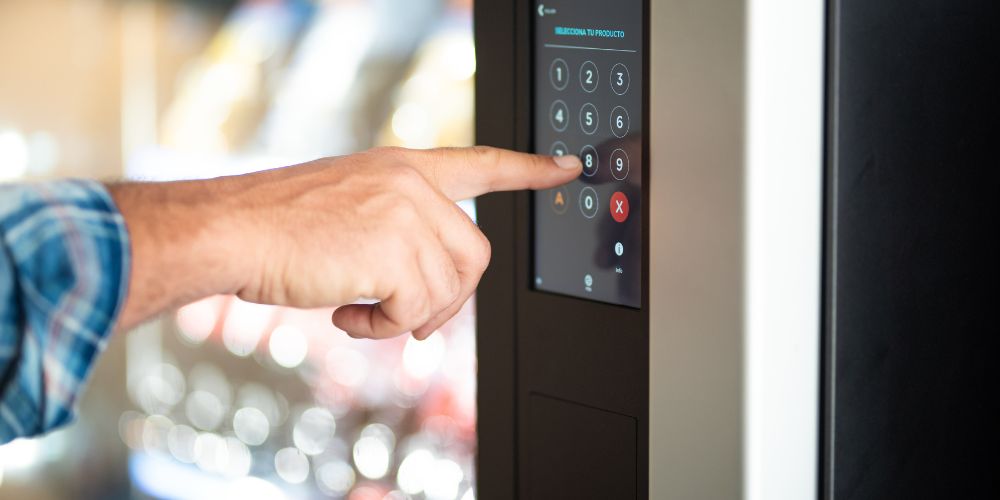
In today’s fast-moving world, small business owners are constantly looking for ways to make their operations more convenient for customers. One area that has seen a lot of change is vending machines. What used to be simple coin-operated machines are now becoming cashless, accepting credit and debit cards, mobile payments, and contactless options. This change isn’t just about keeping up with technology—it’s about meeting the needs of modern consumers who expect quick, easy ways to pay.
For small businesses that rely on vending machines, these new payment options can open up new opportunities. By allowing customers to pay with cards or mobile wallets, business owners can increase sales, reduce the hassle of handling cash, and gain valuable insights into customer behavior. Adopting credit card solutions for vending machines is no longer just a “nice-to-have” feature; it has become a practical necessity for staying competitive in a fast-paced market.
The Shift from Cash to Cashless Payments
Vending machines have traditionally relied on coins and bills. While this system worked for decades, the rise of digital payments has changed how consumers prefer to pay, even for small purchases. Today, many people carry little to no cash, relying instead on credit cards, debit cards, and mobile payment apps. This shift means that cash-only vending machines can miss out on potential sales, especially from younger or tech-savvy customers.
Modern vending machines equipped with credit card readers provide flexibility and convenience. Customers can quickly tap, swipe, or insert a card, making the purchasing process faster and more seamless. For business owners, this can result in increased sales, larger transaction amounts, and a more satisfied customer base.
How Credit Card Vending Solutions Work
Credit card-enabled vending machines combine hardware and software to process payments securely. The hardware includes a card reader capable of reading EMV chips, magnetic stripes, and contactless payments. The software manages payment authorization, records transactions, and sometimes even tracks inventory.
Many systems also come with cloud-based management platforms that allow small business owners to monitor sales remotely, adjust pricing, and restock machines based on real-time data. These tools not only make operations smoother but also give business owners insights into customer habits, helping them make data-driven decisions to boost revenue.
Cost Considerations and Fees
Adding credit card payment capabilities to vending machines does involve some cost. The initial setup for hardware and software can range from a few hundred to over a thousand dollars per machine. Additionally, businesses typically pay small transaction fees or monthly service charges. Despite these costs, the benefits often outweigh the investment, especially as cashless machines tend to see higher sales volumes.
For those interested in learning more about typical costs, including transaction fees for vending machines, resources like vending machine credit card processing fees provide detailed breakdowns and helpful guidance for small business owners.
Security and Compliance
Security is a key concern when handling credit card transactions. Modern card readers use encryption and tokenization to protect sensitive data. Choosing a system that complies with Payment Card Industry Data Security Standards (PCI DSS) helps reduce risk and liability in case of fraud or data breaches. For small business owners, this means customers can trust their transactions are safe, which also builds confidence and loyalty.
Advantages Beyond Payments
Credit card solutions for vending machines offer more than just payment convenience. Many systems allow for loyalty programs, promotions, and customer engagement directly through the machine. For example, a machine could offer a free item after several purchases or provide discounts during off-peak hours. These features can help attract repeat customers and encourage more frequent use.
Additionally, business owners can access detailed reporting on sales trends, popular products, and peak purchasing times. This information allows better planning for inventory and marketing strategies, helping small businesses maximize efficiency and profits.
Practical Challenges to Consider
While the benefits are clear, small business owners should be aware of potential challenges. One of the biggest is network connectivity, as cashless payments require reliable internet or cellular connections. Machines in areas with weak signals may face transaction failures, which can frustrate customers. Some systems allow for offline caching, but this can complicate accounting and delay payment processing.
Maintenance and support are also considerations. Unlike traditional machines, credit card-enabled machines include electronic components that may require software updates, troubleshooting, or occasional repairs. Staying up to date with technology, security standards, and customer preferences is essential to ensure smooth operation.
Making the Right Choice
Implementing credit card solutions for vending machines is an investment in both technology and customer satisfaction. Small business owners should carefully evaluate the hardware, software, security features, and support services available. Choosing reliable, easy-to-install systems can minimize downtime and operational headaches.
By adopting these solutions, business owners can modernize their vending operations, attract more customers, and increase revenue. The shift to cashless payments is not a passing trend but a long-term change in consumer behavior. Small businesses that embrace this change early are better positioned for success.
Conclusion
Cashless vending machines are no longer a luxury—they are becoming a standard expectation for consumers. Accepting credit cards, mobile wallets, and contactless payments allows small businesses to increase sales, provide convenience, and collect valuable data for better decision-making. While costs, security, and maintenance are factors to consider, the advantages of adopting a cashless solution far outweigh the challenges. For small business owners, investing in credit card-enabled vending machines is a smart step toward staying competitive and meeting the demands of today’s cashless world.
Smarter Tech Solutions for Modern Business Growth
Water Heater Repair Weymouth: Fix Leaks and Restore Hot Water Fast
Alloy Wheel Shop in Bhiwandi — Where Style, Strength, and Performance Come Together
Ride with Confidence: Why the Right Bike Tyres Make All the Difference
Drive Straight, Drive Safe: Why Proper Wheel Alignment Is Essential for Your Vehicle
