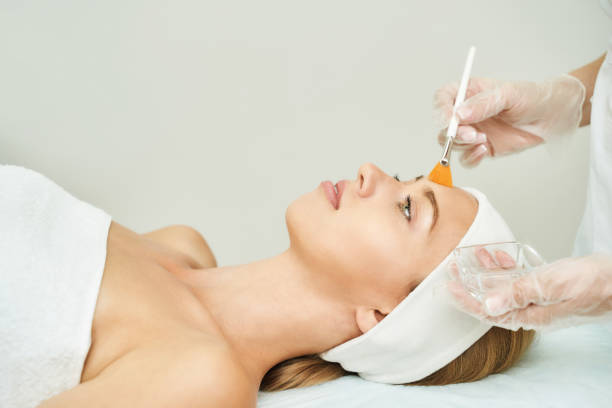
A Chemical Peel in Abu Dhabi is a popular cosmetic treatment designed to improve the appearance of the skin by removing dead or damaged outer layers. This non-invasive procedure uses a chemical solution to exfoliate the skin, revealing a fresher, more youthful layer beneath. As a highly effective method for skin rejuvenation, it has gained popularity among individuals seeking to address various skin concerns and enhance their overall complexion.
In essence, a chemical peel involves applying a specially formulated acid solution to the skin’s surface. This solution induces controlled chemical injury, causing the outermost skin layers to peel away. The process stimulates the body’s natural healing response, promoting the growth of new, healthier skin cells. This results in a smoother, clearer, and more evenly toned skin surface.
How Does a Chemical Peel Work?
The working principle of a chemical peel is rooted in its ability to exfoliate and regenerate the skin. When the chemical solution is applied, it penetrates the outer layers and causes controlled damage. This controlled injury triggers a healing process, encouraging the production of new skin tissue. The depth of the peel can vary, depending on the specific solution used and the desired results.
During the procedure, the chemical solution interacts with the skin’s keratinocytes—cells that make up most of the outer layer. As these cells are disrupted and shed, new cells emerge, leading to a rejuvenated appearance. The process also promotes increased collagen production, which is vital for maintaining skin elasticity and firmness.
Types of Chemical Peels
Chemical peels are classified into three main categories based on their depth of action:
Superficial Peels
Superficial peels target only the outermost layer of the skin, known as the epidermis. They typically use mild acids such as alpha-hydroxy acids (AHAs) or beta-hydroxy acids (BHAs). These peels are suitable for mild skin imperfections like dullness, uneven skin tone, and minor discoloration. They require minimal downtime and are often used for routine skin maintenance.
Medium-Depth Peels
Medium-depth peels penetrate deeper into the skin, reaching the upper part of the dermis. They often involve the use of trichloroacetic acid (TCA). This type of peel is effective for treating moderate wrinkles, age spots, and skin discoloration. Recovery time is longer compared to superficial peels, with some redness and peeling expected.
Deep Peels
Deep chemical peels reach the lower layers of the dermis and provide more dramatic results. They typically use stronger acids like phenol. Due to their invasive nature, deep peels require longer recovery periods and are performed less frequently. They are ideal for significant skin irregularities, deep wrinkles, or scars.
Benefits of a Chemical Peel
A chemical peel offers numerous advantages for those seeking skin enhancement. Some of the most notable benefits include:
- Improved Skin Texture and Tone: Peels help smooth rough skin and even out pigmentation, resulting in a more uniform complexion.
- Reduction of Fine Lines and Wrinkles: Especially effective for mild to moderate lines, providing a more youthful appearance.
- Diminishing Acne and Acne Scars: Helps in reducing active acne and minimizing the appearance of scars.
- Treating Sun Damage: Effective in reducing sunspots and hyperpigmentation caused by prolonged sun exposure.
- Boosting Collagen Production: Enhances skin elasticity and firmness over time.
- Minimal Downtime: Depending on the peel’s depth, recovery can be quick, making it suitable for busy schedules.
- Non-Surgical Approach: Provides skin rejuvenation without the need for invasive procedures.
Who Is an Ideal Candidate?
Candidates considering a chemical peel should have realistic expectations and be in good overall health. Ideal candidates are typically those with:
- Mild to moderate skin imperfections
- Sun-damaged skin
- Uneven skin tone or pigmentation
- Fine lines and wrinkles
- Acne or acne scars
- Healthy skin that can heal effectively
Individuals with active skin infections, open wounds, or certain skin conditions may need to postpone the procedure. A consultation with a skincare professional can help determine the most suitable peel type and treatment plan.
The Chemical Peel Procedure
The process of undergoing a chemical peel involves several steps designed to ensure safety and optimal results:
Consultation and Skin Assessment
Prior to the procedure, a thorough assessment of the skin is conducted. The specialist evaluates skin type, concerns, and any contraindications. This step helps in selecting the appropriate peel type and strength.
Preparation
Patients are advised to avoid sun exposure and certain skincare products that may increase sensitivity before the peel. Proper preparation ensures better outcomes and reduces the risk of adverse effects.
Application of the Chemical Solution
During the treatment, the skin is thoroughly cleaned to remove oils and impurities. The chemical solution is then carefully applied to the targeted areas. The solution’s contact time varies depending on the peel type and desired depth.
Monitoring and Neutralization
The specialist monitors the skin’s response throughout the process. Once the desired effect is achieved, the solution is neutralized or removed, and soothing measures may be applied.
Post-Treatment Care
After the peel, patients are given instructions on skincare routines, sun protection, and managing any temporary side effects like redness or peeling. Proper aftercare maximizes results and minimizes discomfort.
Recovery and Post-Procedure Care
Recovery times vary based on the peel’s depth. Superficial peels usually require minimal downtime, with some redness or peeling expected for a few days. Medium and deep peels involve longer healing periods with more noticeable peeling and redness.
During recovery, it is essential to keep the skin moisturized, avoid sun exposure, and follow all post-care instructions provided by the skincare professional. Use of gentle skincare products and diligent sun protection help preserve the results and prevent complications.
Results and Longevity
The effects of a chemical peel are often visible within days to weeks after the procedure, with skin appearing smoother, brighter, and more even-toned. Multiple sessions may be recommended for optimal results, especially for more severe skin concerns.
The longevity of results depends on individual skin type, lifestyle, and skincare habits. Maintaining a good skincare routine, protecting the skin from sun damage, and following professional advice can extend the benefits of the treatment.
Conclusion
A chemical peel Abu Dhabi is an effective and versatile option for skin rejuvenation. It addresses various skin issues, from aging signs to pigmentation irregularities, offering a safer alternative to invasive procedures. By choosing the right type of peel and following proper aftercare, individuals can achieve healthier, more radiant skin that boosts confidence and enhances overall appearance.
What Is Section 125 Deduction And How Does It Reduce Taxes?
KBC Head Office Kolkata: Complete Guide to Contact Details, Registration Process,
Slide Gate Opener: The Smart Way to Secure and Automate Your Entrance
Is PRP Hair Treatment Effective for Early Hair Loss?
Sustainable Industrial Wastewater Treatment Solutions in Malaysia
