


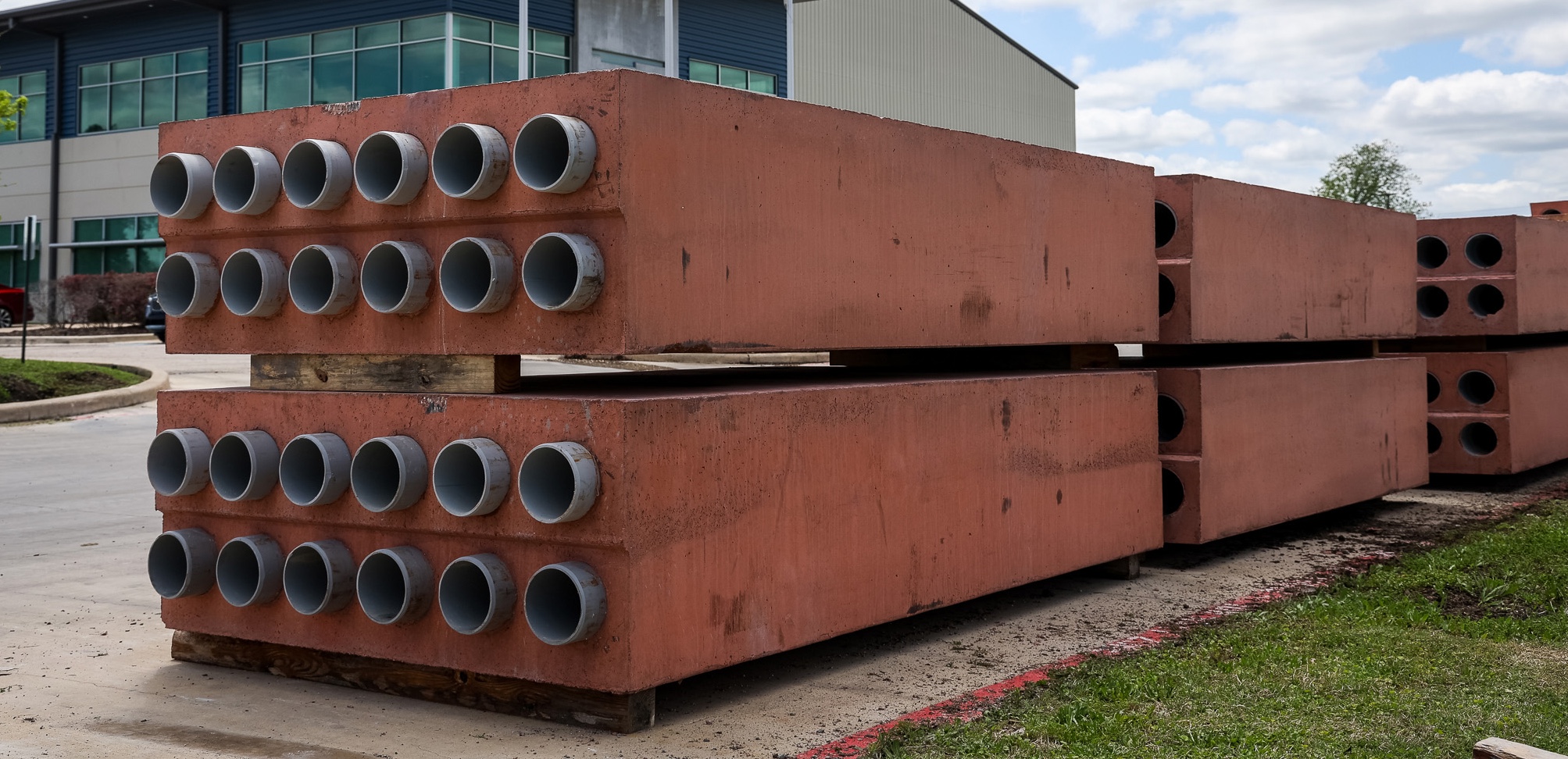
A duct bank is an important part of many construction and utility projects. It helps protect underground cables and keeps power and communication systems running smoothly. Whether you are building a commercial structure, upgrading a utility system, or planning a major development, understanding what a duct bank is and why it matters can help you make better project decisions.
In this blog, you will learn the meaning of a duct bank, how it works, where it is used, and why it is important.
What Is a Duct Bank?
A duct bank is a group of underground conduits that house and protect electrical cables, fiber-optic lines, and communication wires. These conduits are arranged in layers or rows and are usually surrounded by concrete to provide strength and long-term protection.
A duct bank keeps cables safe from:
- Soil pressure
- Weather conditions
- Construction equipment
- Heavy traffic
- Water intrusion
- Accidental digging
With this strong protection, the cables can perform properly for many years.
Why Do We Use a Duct Bank?
Builders and engineers use duct banks for several important reasons:
1. Protect Cables from Damage
A duct bank shields cables from physical impacts, moisture, and environmental changes. This reduces the chance of outages, failures, or costly repairs.
2. Keep Underground Utilities Organized
Instead of running cables randomly underground, a duct bank keeps them neatly arranged inside conduits. This organization makes maintenance easier and safer.
3. Improve Safety Around Work Sites
A duct bank keeps dangerous electrical wires safely underground. It lowers the risk of electrical accidents and protects people and property.
4. Support Future Expansion
Because duct banks include multiple conduits, workers can add more cables later without digging a new trench. This helps growing buildings or expanding facilities save time and money.
Where Are Duct Banks Used?
Duct banks are used in many types of projects that require dependable power and communication systems. Some common places include:
- Commercial buildings
- Hospitals and schools
- Airports and train stations
- Data centers
- Roads and highways
- Industrial facilities
- Power plants
- Shopping centers
- Renewable energy projects
In all these locations, a duct bank helps protect underground utilities and ensures smooth operation.
Main Parts of a Duct Bank
A duct bank includes several key components that work together:
1. Conduits
These are the hollow pipes that hold the cables. PVC and HDPE are the most common materials used.
2. Spacers
Spacers keep the conduits aligned and evenly separated. This spacing protects the system from pressure and heat build-up.
3. Concrete Encasement
Most duct banks are surrounded by concrete to create a strong protective structure. The concrete prevents shifting soil or heavy loads from damaging the conduits.
4. Backfill Material
After the duct bank is installed, workers fill the trench with soil or sand to cover and support the structure.
5. Access Points (Manholes or Pull Boxes)
These structures help workers pull cables, inspect lines, or perform maintenance in the future.
Types of Duct Banks
Different projects require different types of duct banks. The most common types include:
1. Concrete-Encased Duct Bank
This is the strongest and most durable type. Workers place conduits in the trench and fully encase them in concrete. It is widely used in roads, commercial buildings, and heavy-traffic areas.
2. Direct-Burial Duct Bank
Workers place conduits underground without concrete encasement. They may add protective layers like sand or gravel. This option is more affordable and works well for smaller or lighter projects.
3. Precast Duct Bank
Precast duct banks are manufactured off-site in a controlled environment. Workers deliver the finished sections to the job site and place them into the trench. This method saves installation time and improves quality control.
How a Duct Bank Is Installed
Installing a duct bank requires careful planning and skilled work. Here are the basic steps in simple terms:
1. Plan and Design
Engineers design the layout of the duct bank based on cable needs, soil conditions, and future expansion plans.
2. Excavate the Trench
Workers dig a trench to the right depth and width. The size depends on how many conduits the project needs.
3. Place Conduits and Spacers
Workers position the conduits inside the trench with spacers to keep everything aligned and secure.
4. Pour Concrete or Add Protective Material
If it is a concrete-encased duct bank, workers pour concrete around the conduits. If it is a direct-burial duct bank, they use soil or sand as protection.
5. Backfill and Restore the Surface
After the duct bank is complete, workers fill the trench and restore the surface with pavement, gravel, or soil.
Benefits of Using a Duct Bank
A duct bank offers many long-term benefits for property owners and construction teams. Some of the top advantages include:
1. Long-Term Durability
Because a duct bank protects cables from external forces, it helps utilities last longer with fewer issues.
2. Lower Maintenance Costs
Protected cables do not break easily, which means fewer repairs and lower maintenance expenses.
3. Better Project Safety
Keeping electrical lines underground in a strong structure reduces safety risks for workers and the public.
4. Smooth Utility Operations
A duct bank helps ensure stable power, communication, and data flow for buildings and facilities.
5. Easy Upgrades in the Future
Since the conduits remain accessible, workers can pull new cables or replace old ones without digging up the entire area.
Why a Duct Bank Is a Smart Investment
While a duct bank may require more work and cost upfront, it provides strong value over time. It protects essential cables, improves safety, reduces downtime, and supports the long-term growth of a property. For these reasons, many builders and engineers consider a duct bank an essential part of modern infrastructure.
Final Thoughts
A duct bank is a smart and reliable solution for protecting underground electrical and communication cables. It keeps utilities safe, organized, and easy to maintain. Whether you are managing a commercial project, industrial facility, or public infrastructure, using a duct bank helps ensure smooth operations and long-lasting performance.
How Recreational Cannabis Stores Work: Rules and Regulations
Remote Bookkeeping Services Australia: The Invisible Engine Behind Modern Businesses
How to Choose the Right Clinic for Nose Surgery in Islamabad
Wie man Knieschmerzen ohne Operation behandelt
Before Filing Mutual Divorce in Delhi: Important Legal Facts Every Couple Must Know (2026 Guide)
About the Author