



A bright, sparkling smile can have a big impact on the way people see you and the way you feel about yourself. Many people feel self-conscious about discolored or yellow teeth, which can happen naturally over time or because of certain habits. This has made teeth whitening one of the most popular cosmetic dental treatments. It’s an easy and non-invasive way to improve the look of your teeth and boost your confidence.
Cosmetic teeth whitening is a treatment that lightens the color of your teeth and removes stains caused by everyday activities. From drinking coffee, tea, or red wine to smoking or even just getting older, many factors can affect the shade of your teeth. Understanding how teeth whitening works will help you choose the best method for achieving a brighter smile safely and effectively.
Why Do Teeth Become Discolored?
Before learning how whitening works, it’s important to know why teeth lose their natural color. Teeth can become stained for a few different reasons.
Surface stains happen on the enamel, the hard outer layer of the tooth. These are usually caused by things we consume, like coffee, tea, red wine, soda, and certain foods. Internal stains happen inside the tooth and may be caused by aging, medications, or too much fluoride when you were a child.
Other factors, like accidents, dental issues, or genetics, can also affect tooth color. Discoloration can range from yellow to brown or gray. While brushing and flossing help prevent stains, professional whitening treatments are often needed for deeper or older discoloration.
Understanding Cosmetic Teeth Whitening
Cosmetic teeth whitening is a treatment that uses special bleaching agents to lighten the color of teeth. Unlike other dental procedures that fix structural problems, whitening focuses on improving the appearance of your smile. Treatments can be done in a dental office or at home with dentist-recommended products.
Dentists usually use stronger bleaching agents, like hydrogen peroxide or carbamide peroxide. These substances work by breaking down stains both on the surface of the teeth and deeper inside the enamel. The result is a brighter, more even smile that can last for months with proper care.
Types of Teeth Whitening Treatments
There are a few ways to whiten your teeth, depending on how quickly you want results and the level of whitening needed:
1. In-Office Whitening
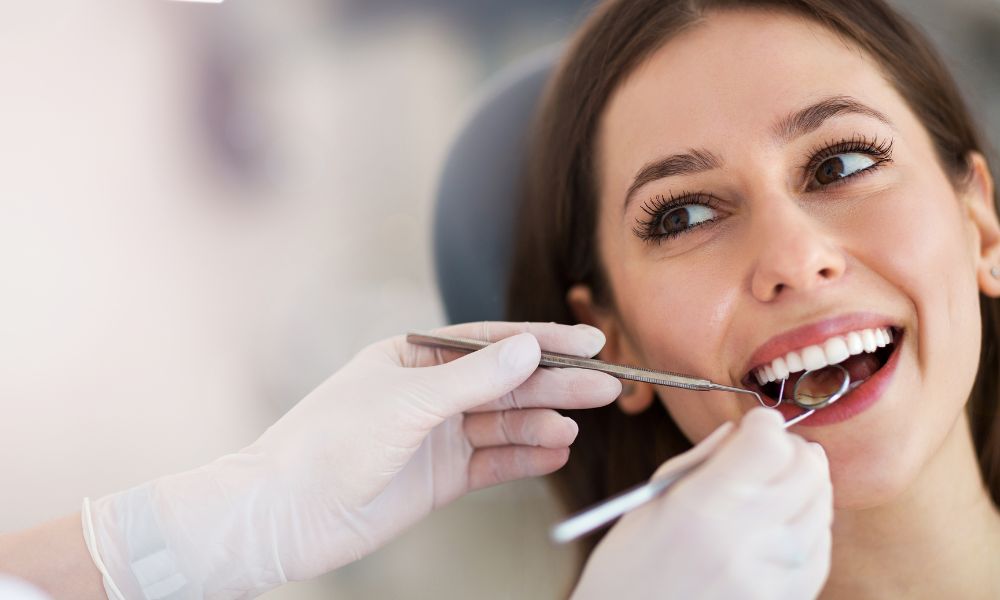
This method is done at a dental clinic and gives fast results. The dentist applies a strong whitening gel to your teeth, sometimes using a special light or laser to speed up the process. Most people can see significant improvement after just one session.
2. At-Home Whitening Kits
These kits are given by your dentist and include custom-fitted trays and professional-grade whitening gel. The trays fit your teeth perfectly to make sure the gel spreads evenly. Results usually appear over a few days or weeks.
3. Over-the-Counter Products
These include whitening strips, toothpaste, and gels you can buy at a pharmacy. They are not as strong as professional treatments, so they work best for mild surface stains or as maintenance after a professional whitening session.
How Whitening Works
Teeth whitening works through a chemical process. The bleaching agents in whitening treatments release oxygen molecules that break down stain-causing compounds in your teeth. This process removes both surface and deeper stains, making your teeth look lighter and more uniform.
When used correctly, whitening is safe, but overusing or misapplying the products can cause temporary sensitivity or gum irritation. Following your dentist’s instructions is important to avoid these side effects.
Benefits of Cosmetic Teeth Whitening
There are many reasons why people choose to whiten their teeth:
- Brighter Smile: Whiter teeth make your smile look healthier and more attractive.
- Confidence Boost: Feeling good about your smile can make a big difference in how you interact with others.
- Non-Invasive: Teeth whitening does not involve surgery or altering the shape of your teeth.
- Quick Results: Professional treatments can give noticeable improvement after just one visit.
- Customizable: Whitening can be adjusted based on how stained your teeth are and how bright you want them to be.
Maintaining Your Whitened Teeth
Keeping your smile bright after whitening is just as important as the treatment itself. Here are some tips to maintain your results:
- Watch What You Eat and Drink: Reduce coffee, tea, red wine, and dark sauces.
- Avoid Smoking: Tobacco can quickly undo whitening effects.
- Practice Good Oral Hygiene: Brush twice a day, floss daily, and use mouthwash to prevent new stains.
- Use Whitening Toothpaste: Helps maintain results between treatments.
- Regular Dental Visits: Cleanings remove plaque and surface stains to keep your teeth looking their best.
Risks and Things to Consider
Teeth whitening is safe for most people, but it’s good to be aware of potential issues:
It’s always best to talk to your dentist before starting any whitening treatment to make sure it’s safe for your teeth.
- Tooth Sensitivity: Some people may feel temporary discomfort with hot or cold foods.
- Gum Irritation: Whitening gels can irritate gums if they touch them too long.
- Not Always Even: Teeth with crowns, veneers, or fillings may not whiten evenly.
- Temporary Effects: Whitening does not stop future staining, so maintenance is needed.
Conclusion
Cosmetic teeth whitening is an effective way to brighten your smile and feel more confident. It works by removing stains from both the surface and deeper layers of your teeth. With options ranging from professional in-office treatments to dentist-approved at-home kits, whitening can be tailored to your needs and lifestyle.
By understanding how whitening works, taking care of your teeth, and maintaining the results with good oral habits, you can enjoy a bright, radiant smile for months. For anyone looking to improve their appearance and self-confidence, cosmetic teeth whitening offers a safe, non-invasive, and effective solution.
About the Author