
Facelift surgery is a popular cosmetic procedure designed to rejuvenate the appearance of the face by reducing visible signs of aging. As we age, the skin loses elasticity, and underlying tissues weaken, leading to sagging, wrinkles, and a tired appearance. Many individuals seek a facelift to restore a more youthful, vibrant look, enhancing their confidence and self-esteem. For those considering this transformation, understanding what facelift surgery entails is essential, especially when exploring options like Facelift in Abu Dhabi, which offers advanced techniques and expert care.
Understanding Facelift Surgery
Facelift surgery, also known as rhytidectomy, involves lifting and tightening the underlying tissues of the face to create a smoother, firmer contour. It primarily targets common aging signs such as sagging cheeks, jowls, deep creases around the nose and mouth, and loose skin on the neck. The procedure is tailored to the individual’s facial structure and aesthetic goals, ensuring natural-looking results.
The Goals of a Facelift
The main objective is to reverse the effects of gravity and aging to restore a youthful facial appearance. This includes:
- Tightening sagging skin
- Redefining facial contours
- Minimizing wrinkles and folds
- Improving the appearance of the neck area
Achieving these goals involves a combination of precise surgical techniques aimed at rejuvenating the face while maintaining natural expression.
How Facelift Surgery is Performed
Facelift surgery is a sophisticated procedure that requires careful planning and execution. It is typically performed under general anesthesia or sedation, depending on the extent of the surgery and patient preference. The process involves several key steps:
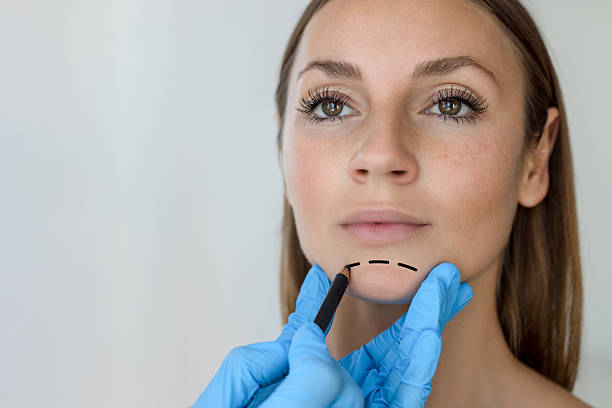
Step 1: Anesthesia and Marking
The surgeon administers anesthesia to ensure patient comfort. Before making any incisions, precise markings are made on the face to guide the surgical process, allowing the surgeon to plan the areas for lifting and tightening.
Step 2: Incision Placement
The incisions are usually made around the ear, extending into the hairline and sometimes under the chin. The placement of these incisions is crucial for minimizing visible scars and achieving natural results. Skilled surgeons aim to hide scars within natural creases and hairlines.
Step 3: Lifting and Tightening the Skin
Once the incisions are made, the surgeon lifts the skin away from the underlying tissues. The deeper layers of the face, including the SMAS (superficial musculoaponeurotic system), are then tightened to elevate sagging tissues. This step significantly contributes to the longevity and natural appearance of the results.
Step 4: Removing Excess Skin
After achieving the desired lift, excess skin is carefully trimmed away. The remaining skin is redraped smoothly over the face and neck, eliminating wrinkles and sagging. Precise suturing ensures minimal scarring and natural contours.
Step 5: Closing the Incisions
The surgeon meticulously stitches the incisions, ensuring they are secure and discreet. Bandages or dressings are applied to support healing and reduce swelling.
Recovery and Post-Operative Care
Following surgery, patients are advised on post-operative care to promote healing. This includes managing swelling, avoiding strenuous activities, and attending follow-up appointments. The full recovery process varies, but most individuals resume normal activities within a few weeks.
Types of Facelift Procedures
Facelift techniques have evolved to offer more tailored solutions based on individual needs and aging patterns. Some common types include:
Traditional Facelift
This comprehensive approach addresses most signs of aging in the mid and lower face, including the neck. It involves significant lifting and tightening, suitable for moderate to severe sagging.
Mini Facelift
A less invasive option targeting minor sagging around the cheeks and jawline. It involves shorter incisions and quicker recovery, ideal for younger patients or those with early aging signs.
Neck Lift
Focused specifically on the neck area to eliminate excess skin and fat, creating a more defined jawline and youthful neck contour.
Mid-Facelift
Targets the middle part of the face, lifting the cheeks and restoring volume, often combined with other facelift procedures for comprehensive rejuvenation.
Benefits of a Facelift
Opting for a facelift offers numerous aesthetic and psychological benefits, including:
- Restored facial firmness and contours
- Smoother skin with reduced wrinkles
- Enhanced jawline definition
- Improved neck appearance
- Boosted confidence and self-image
The results can last for several years, making it a popular choice for those seeking long-term facial rejuvenation.
Who is a Suitable Candidate for a Facelift?
Ideal candidates for a facelift are typically individuals with:
- Noticeable sagging skin and deep wrinkles
- Loss of facial volume
- Good overall health
- Realistic expectations about the outcomes
A thorough consultation with a qualified plastic surgeon helps determine the most appropriate procedure based on individual facial anatomy and aging concerns.
The Importance of Choosing the Right Surgical Center
Selecting a reputable surgical center with experienced specialists is vital for achieving safe and satisfying results. Modern facilities equipped with advanced technology can provide patients with comfortable environments and personalized care. When considering Facelift Abu Dhabi, patients benefit from access to skilled surgeons and state-of-the-art techniques that ensure optimal outcomes.
Final Thoughts
Facelift surgery remains one of the most effective methods for reversing visible signs of aging and restoring a youthful appearance. Understanding how the procedure is performed helps set realistic expectations and prepares individuals for the journey toward rejuvenation. Whether opting for a traditional facelift or a minimally invasive approach, results are tailored to enhance natural beauty and confidence.
Top-Rated Beirut Escorts Offering Sophisticated Experiences
Saving Time and Money with a Healthcare Virtual Assistant Today
What to Look for When Choosing a Trade Show Booth Manufacturer in the U.S.?
How Recreational Cannabis Stores Work: Rules and Regulations
Remote Bookkeeping Services Australia: The Invisible Engine Behind Modern Businesses
About the Author