What Makes AI Agentic Workflows a Must-Have Strategy In Competitive Markets
Businesses today face tough competition and high expectations from customers and stakeholders. Companies need efficient processes, faster decision-making, and consistent output. AI agentic workflows provide a solution that helps organizations stay competitive. By automating repetitive tasks, structuring operations, and improving accuracy, businesses can focus on growth and innovation. Companies that implement these workflows early gain a significant advantage over competitors still relying on manual processes.
Understanding AI Agentic Workflows
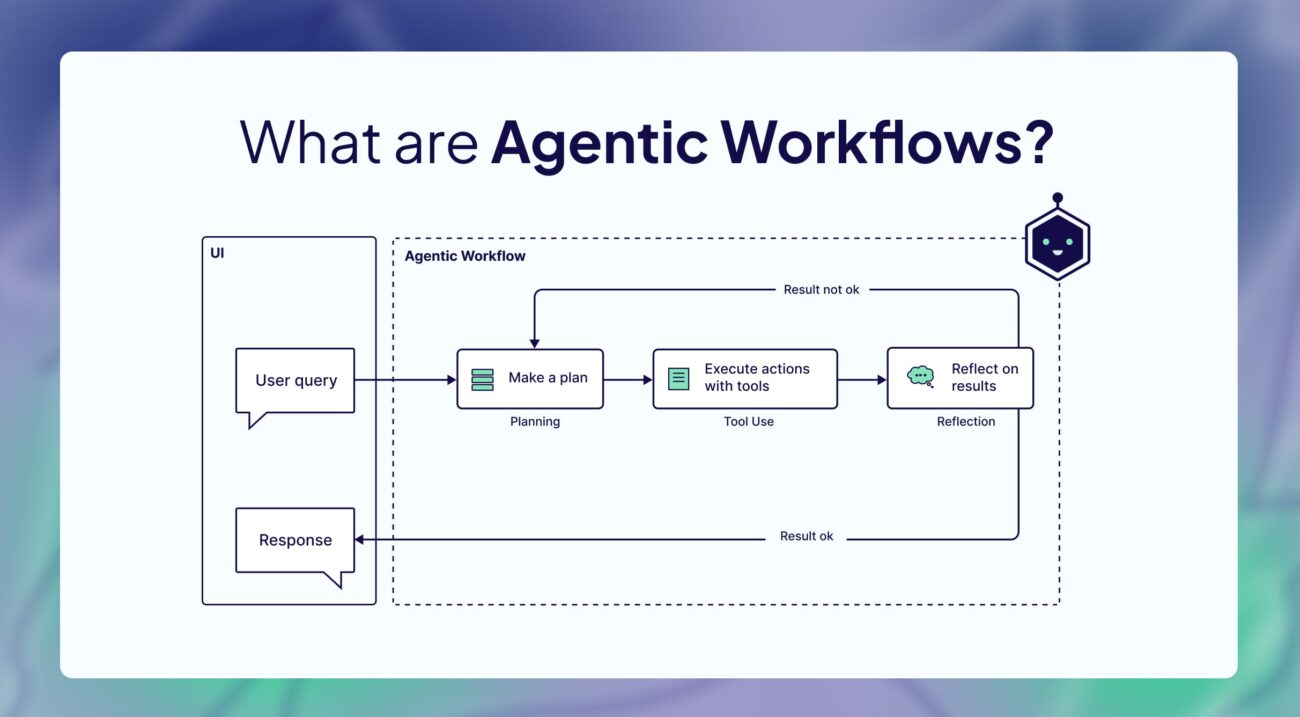
AI-powered agentic workflows are automated systems designed to handle repetitive tasks, organize processes, and optimize operations. They reduce errors, save time, and allow teams to focus on high-value work. These workflows are not rigid; they adapt to different departments and tasks, making them ideal for companies looking to scale efficiently.
Teams using these workflows benefit from real-time insights. Managers can track progress, identify bottlenecks, and make informed decisions quickly. By integrating AI-powered agentic workflows, companies can achieve more consistent results, improve efficiency, and reduce operational stress.
Benefits of AI-Powered Agentic Workflows
1. Improved Efficiency
Manual processes are slow and prone to errors. AI-powered agentic workflows automate repetitive work, allowing employees to focus on creative and strategic tasks. Teams complete projects more efficiently, reducing delays and enhancing overall productivity. Efficiency gains also free leadership to focus on innovation and long-term planning.
2. Increased Accuracy
Repetitive tasks often lead to mistakes that affect customer trust and operational credibility. Automated workflows follow precise steps every time, ensuring consistent and reliable results across departments. Accurate reporting and consistent processes build confidence with clients, employees, and stakeholders.
3. Faster Decision Making
Access to real-time data enables leaders to make decisions quickly. AI-powered agentic workflows organize data, provide insights, and highlight trends. This empowers companies to respond to market changes, customer demands, and operational challenges faster than competitors relying on manual systems.
4. Scalable Operations
Growth often strains manual systems, leading to bottlenecks and stress. Automated workflows handle larger volumes of tasks efficiently. Companies can scale operations without adding staff, ensuring predictable growth and consistent quality. Scalable processes also allow businesses to seize new opportunities without operational disruptions.
5. Enhanced Customer Experience
Customers expect fast, accurate, and reliable service. Automation ensures every task is completed correctly and on time. Companies using AI agentic workflows can respond to inquiries faster, reduce errors in orders or services, and maintain consistent quality across interactions. Satisfied customers are more likely to remain loyal and refer others, boosting revenue over time.
6. Reduced Employee Burnout
Repetitive tasks can be draining and reduce employee motivation. By automating these tasks, employees can focus on strategic and creative work. Teams experience less stress, higher engagement, and improved job satisfaction. Healthy, motivated employees drive stronger performance and contribute to a positive workplace culture.
How Businesses Can Implement AI Agentic Workflows
Implementing workflows successfully requires clear planning. Start by identifying repetitive tasks that consume time and resources. Prioritize processes that directly impact productivity, revenue, or customer satisfaction. Define objectives and set measurable goals to track success. Train employees thoroughly so they understand the workflow system and can use it effectively.
A gradual rollout with pilot testing ensures workflows function as intended and minimizes operational disruptions. Continuous monitoring allows businesses to refine processes, correct inefficiencies, and maximize the benefits of AI-powered agentic workflows. Regular evaluation ensures the system evolves with the company’s needs and supports long-term growth.
Industry Applications
AI-powered agentic workflows are versatile and benefit multiple sectors:
- Finance: Streamlines reporting, reconciliations, and data management while reducing errors and improving decision-making.
- Healthcare: Automates scheduling, patient record management, and administrative tasks, allowing staff to focus on patient care.
- Retail: Optimizes inventory, order fulfillment, and customer service workflows to improve efficiency and customer satisfaction.
- Manufacturing: Monitors production, manages resources, and tracks performance for consistent output and quality control.
Across industries, these workflows improve productivity, reduce errors, and enable companies to scale operations effectively.
Avoiding Common Automation Pitfalls
Even powerful systems fail if implemented incorrectly. Avoid these mistakes:
- No Clear Goals: Automation without defined objectives wastes resources and reduces effectiveness.
- Neglecting Employee Training: Staff must know how to use workflows properly to prevent errors and adoption issues.
- Overcomplicating Processes: Simple workflows are easier to manage, monitor, and optimize than complex ones.
- Failing to Track Results: Monitoring performance ensures ROI and highlights areas for improvement.
By avoiding these pitfalls, businesses can adopt workflows smoothly, achieve higher ROI, and align automation tools with strategic goals.
Measuring Success
Measuring the effectiveness of AI-powered agentic workflows is essential to ensure they deliver the desired results. Companies should track key metrics such as time saved on routine tasks, reduction in errors, increased productivity, and improved customer satisfaction. Regularly evaluating these metrics allows businesses to identify areas for improvement, refine workflows, and optimize operations for better performance.
By monitoring outcomes consistently, organizations can ensure that their workflows continue to support growth, enhance efficiency, and provide a strong return on investment over time. Continuous assessment also helps teams adapt workflows to changing business needs, making operations more agile and future-ready.
Why AI Agentic Workflows Are a Competitive Advantage
Companies using AI-powered agentic workflows gain speed, reliability, and consistency in operations. Employees spend more time on strategic initiatives, creativity, and customer-focused tasks. Workflows enable faster decisions, better resource allocation, and scalable operations without extra staff.
Adopting these workflows early positions companies ahead of competitors still relying on manual processes. They reduce operational risks, enhance customer experience, and maintain consistent performance across departments. AI-powered agentic workflows are a cornerstone for businesses aiming to grow efficiently and remain resilient in competitive markets.
Conclusion
Ai agentic workflows are essential for companies seeking efficiency, accuracy, and scalable growth. They reduce repetitive work, improve decision-making, and enhance customer satisfaction. Organizations adopting these workflows gain a competitive advantage and a foundation for long-term success. At Business Force One, we help businesses implement AI-powered agentic workflows that optimize operations, improve productivity, and prepare teams for sustainable growth. Start integrating these workflows today to streamline operations and boost performance.
FAQs
1. What are AI-powered agentic workflows?
They are automated systems that manage repetitive tasks, organize processes, and improve overall business efficiency.
2. How do AI-powered agentic workflows improve productivity?
They reduce manual work, eliminate errors, and free employees to focus on strategic and high-value tasks.
3. Which industries benefit most from AI-powered agentic workflows?
Finance, healthcare, retail, and manufacturing gain faster processes, greater accuracy, and scalable operations.
4. How can companies avoid workflow mistakes?
By setting clear objectives, providing proper training, simplifying processes, and tracking performance consistently.
5. Why are AI-powered agentic workflows important in competitive markets?
They enable faster decisions, consistent operations, better customer experiences, and scalable growth for long-term advantage.
UTV Shipping Cost and Choosing Reliable Services with Ship A1 Auto Transport
Why Most Crypto Tokens Fail And How Entrepreneurs Can Get It Right?
Embedded Software Market Demand Across Consumer Electronics And Automotive Sectors
4K Set Top Box Market Growth Driven By Smart Connectivity And OTT Integration
Cervical Pillows Market Growth Driven By Aging Population And Lifestyle Disorders
