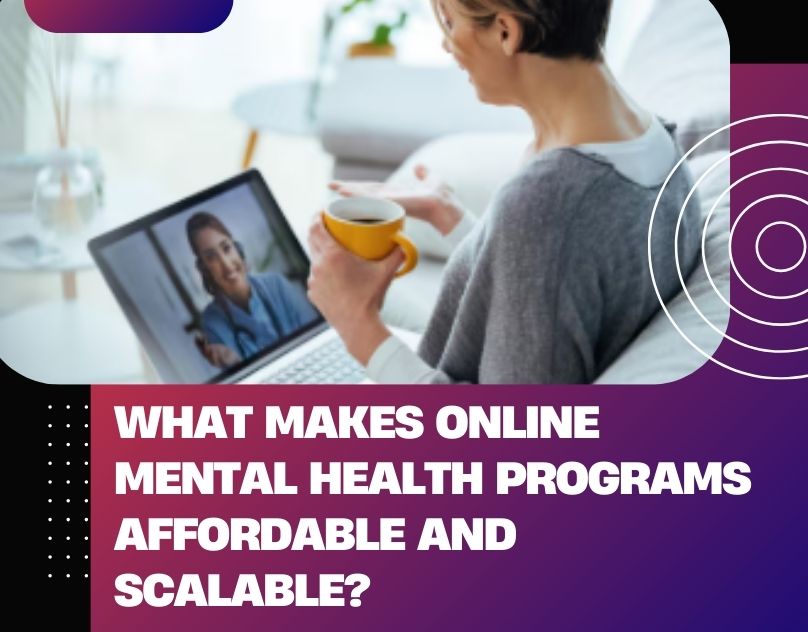
In today’s fast-paced world, the need for accessible mental health support has never been clearer. Many people want help but feel held back by cost, time constraints, or uncertainty about where to begin. This is where online mental health programs have quietly transformed the landscape. They offer support that fits into real life, often at a fraction of the cost of traditional options. But what truly makes these programs affordable and scalable without compromising care? The answer lies in thoughtful design, smart use of technology, and a people-first approach to mental well-being.
Breaking Down the Cost: Why Online Programs Are More Affordable
Eliminating Physical Infrastructure and Overheads
Traditional mental health services often rely on clinics, offices, and large administrative teams. These physical spaces come with rent, utilities, and maintenance costs that are ultimately reflected in fees. Online mental health programs remove much of this burden. By operating in digital spaces, providers can focus resources on creating high-quality content and hiring trained professionals rather than maintaining buildings. This shift alone makes support more financially accessible for many people.
The Efficiency of Group Sessions and Asynchronous Learning
Another key factor is efficiency. Many programs combine live group sessions with pre-recorded lessons or exercises. Group formats allow one facilitator to support several participants at once, reducing costs while still offering meaningful interaction. Asynchronous learning, where users access materials on their own time, further increases efficiency. A thoughtfully designed mental health self-care course can be used by thousands without losing its value, which helps keep prices reasonable.
Reducing Indirect Costs for Participants
Affordability is not only about program fees. Online access reduces indirect costs such as travel, time off work, or childcare arrangements. Someone juggling a busy schedule can log in from home during a quiet moment. This flexibility lowers both financial and emotional barriers, making it easier to take that first step toward support.
The Engine of Growth: How Scalability is Achieved
Leveraging Technology for Wider Reach
Scalability is where digital solutions truly shine. Once an online platform is built, it can reach people across different schedules and life situations without needing to expand physical capacity. Secure video tools, learning platforms, and mobile-friendly designs allow online mental health programs to grow responsibly while maintaining consistency in delivery.
Standardized Core Content with Flexible Pathways
Many effective programs rely on a strong foundation of evidence-informed content. This might include guided exercises, educational modules, or reflection prompts. A mental health self-care course often serves as this core, offering structured lessons that address common challenges such as stress, emotional regulation, or burnout. From there, flexible pathways allow individuals to choose topics that resonate most with their needs, blending structure with personal choice.
On-Demand Access and Self-Paced Learning
Not everyone is ready for live interaction right away. On-demand access allows people to move at their own pace, revisit lessons, and pause when life gets busy. This self-paced approach supports scalability because it does not depend on constant real-time facilitation. It also respects individual readiness, which is crucial in mental health care.
Ensuring Quality Within Scalable Models
The Role of Trained Facilitators and Curated Content
Affordability should never mean lower quality. Trustworthy online mental health programs are built by credentialed professionals who understand both clinical principles and digital delivery. Content is carefully curated, reviewed, and updated to ensure it remains relevant and responsible. This professional oversight helps users feel safe and supported.
Building Community Support in Digital Spaces
Healing does not happen in isolation. Many programs create moderated community spaces where participants can share experiences and encouragement. These environments are designed with clear guidelines to promote respect and safety. Feeling seen and understood by others on a similar journey can be deeply validating and adds emotional value without significantly increasing costs.
Tools for Personalization and Progress Tracking
Digital platforms also offer tools that enhance care. Progress trackers, reflective journals, and gentle reminders help users stay engaged. Personalization features allow a mental health self-care course to adapt to individual goals and pacing. These tools build trust by showing users that their growth matters and is being thoughtfully supported.
Finding the Right Program for Your Needs
With so many options available, choosing the right support can feel overwhelming. A few gentle guidelines can help:
- Look for programs created or reviewed by qualified mental health professionals.
- Check whether the curriculum is structured and clearly explained.
- Review privacy policies to ensure your data is handled ethically.
- Read user feedback to understand real-world experiences.
- Consider whether the program offers a balance of education, reflection, and support.
A good program will feel transparent, respectful, and aligned with your comfort level. Whether it is a comprehensive mental health self-care course or a shorter series of guided sessions, the right fit should empower rather than pressure you.
Conclusion: A More Accessible Path to Well-Being
The affordability and scalability of online mental health programs come from a thoughtful fusion of technology, efficiency, and human care. By reducing overhead costs, offering flexible learning formats, and maintaining professional quality, these programs lower barriers that have long kept people from seeking help. They remind us that support can be both compassionate and practical. As digital wellness continues to evolve, these models play a vital role in building a more inclusive and supportive ecosystem where mental well-being is within reach for more people than ever before.
