If you are considering seeking help for vein-related issues, such as varicose veins or spider veins, understanding what to expect during a vein treatment consultation is essential. Visiting a vein treatment clinic can feel overwhelming, especially if it’s your first time. However, knowing the steps involved can ease your worries and help you prepare for a productive appointment. In this article, we will guide you through the process, what questions to ask, and important considerations like insurance coverage. By the end, you will feel confident about your upcoming consultation at Vein Treatment New Jersey.
Initial Appointment: Your First Step at a Vein Treatment Clinic
Your first visit to a vein treatment clinic typically begins with a comprehensive evaluation of your medical history and current symptoms. The vein specialist will ask questions about your leg pain, swelling, skin changes, or any history of vein issues in your family. They may also inquire about lifestyle factors such as activity level, pregnancy history, and previous surgeries that could impact your veins.
This initial discussion allows the specialist to understand your condition fully and customize a treatment plan that fits your specific needs. It’s important to be honest and thorough with your answers. Detailed information helps the doctor determine whether you need diagnostic testing or if a treatment plan can be created immediately.
Physical Examination and Assessment
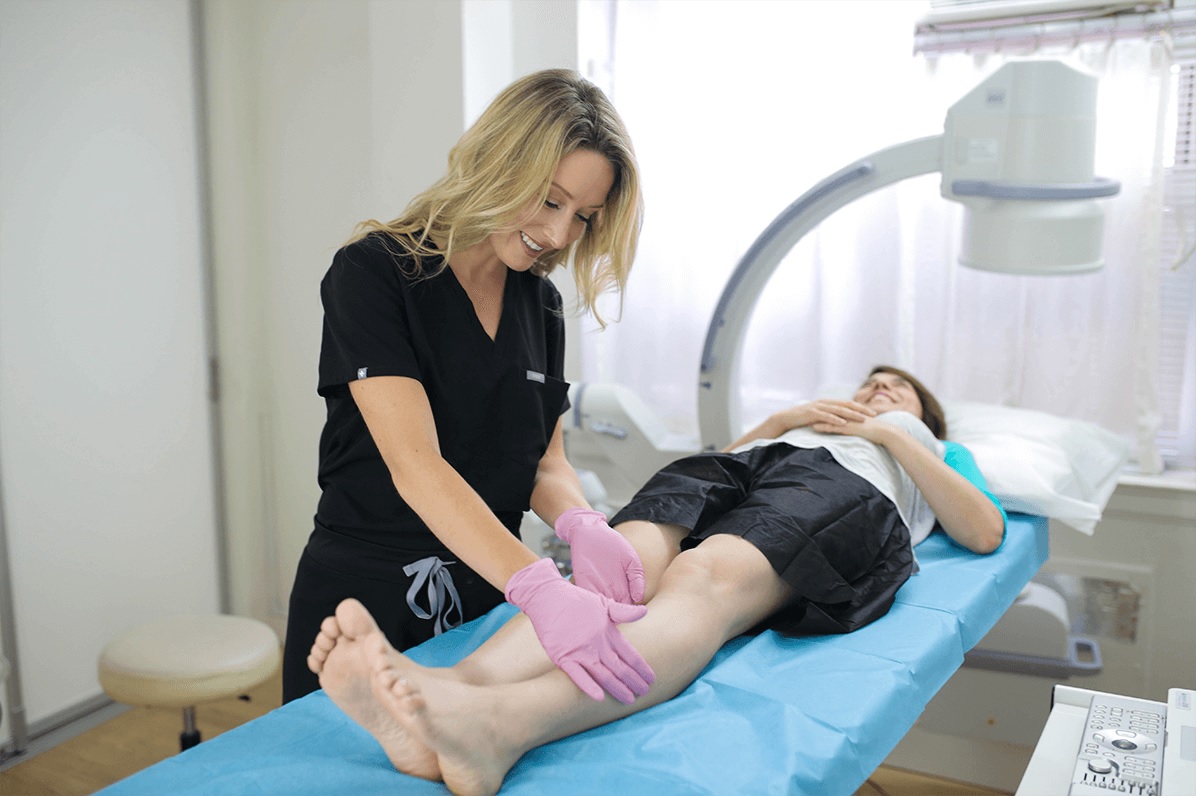
After discussing your medical history, the vein specialist will perform a physical examination. This includes visually inspecting your legs for bulging veins, discoloration, or swelling. The doctor may also palpate your veins to assess tenderness or abnormal vein structure.
During this examination, you may be asked to stand, walk, or change positions to observe how your veins respond to different conditions. This hands-on assessment is crucial because it helps the specialist identify veins that are functioning poorly or causing discomfort.
Diagnostic Testing: Imaging Your Veins
In many cases, the consultation will include diagnostic imaging, most commonly a duplex ultrasound. This non-invasive test uses sound waves to evaluate blood flow and check for vein blockages or valve dysfunction.
The ultrasound can reveal deep vein issues that are not visible externally, such as deep vein thrombosis (DVT) or reflux. Your vein specialist may show you the ultrasound images during the consultation and explain what they indicate. This visual explanation often helps patients understand the underlying problem better and why a specific treatment is recommended.
Treatment Options Explained
Once the vein specialist has assessed your condition, they will discuss potential treatment options. Modern vein clinics offer a variety of treatments for both cosmetic and medical purposes. Common procedures include:
- Sclerotherapy: Injection of a solution into small varicose or spider veins, causing them to close.
- Endovenous Laser Therapy (EVLT): A minimally invasive procedure that uses laser energy to seal off larger varicose veins.
- Radiofrequency Ablation (RFA): Similar to EVLT but uses radiofrequency energy instead of laser energy.
- Ambulatory Phlebectomy: Removal of superficial varicose veins through small incisions.
- Compression Therapy: Use of compression stockings to improve blood flow and reduce discomfort.
The vein specialist will explain the benefits, risks, expected results, and recovery time for each option. They will also consider your lifestyle, severity of your vein issues, and personal preferences when recommending a treatment plan.
Questions About Cost and Insurance
One of the most common questions patients have is: Are varicose veins covered by insurance? Coverage often depends on whether the veins are causing medical symptoms, such as pain, swelling, or skin ulcers. Cosmetic treatments, on the other hand, are usually not covered.
During your consultation, the clinic staff can review your insurance policy and determine if your treatment may be eligible for coverage. They can also provide cost estimates for procedures not covered by insurance. Understanding the financial aspect in advance helps prevent surprises and allows you to make informed decisions about your care.
Preparing for Your Consultation
To make the most of your vein treatment consultation, it’s helpful to prepare a few things beforehand:
- Medical Records: Bring any previous test results, ultrasound reports, or relevant medical history.
- List of Medications: Include over-the-counter medications, supplements, and prescriptions.
- Symptom Log: Note when your leg pain or swelling occurs and any triggers.
- Questions: Write down concerns such as procedure recovery, potential complications, or insurance coverage.
Being prepared ensures that the consultation is productive and allows the specialist to provide the most accurate recommendations.
What to Expect After the Consultation
After your consultation, the vein specialist will develop a personalized treatment plan. Depending on the chosen procedure, you may schedule the treatment immediately or plan it for a future date. The clinic will also provide pre- and post-procedure instructions to optimize your results and reduce recovery time.
Follow-up appointments may be scheduled to monitor healing and ensure the treatment’s effectiveness. Some patients may require multiple sessions, especially for extensive varicose vein removal or sclerotherapy. Clear communication with your vein clinic helps set realistic expectations and ensures long-term results.
Choosing the Right Vein Treatment Clinic
Selecting a reputable vein clinic is crucial to achieving safe and effective results. Look for a clinic with experienced vein specialists, state-of-the-art technology, and positive patient reviews. At Vein Treatment New Jersey, for example, patients benefit from comprehensive care, advanced minimally invasive procedures, and guidance on insurance coverage.
A reliable clinic will also provide detailed consultations, ensuring you understand each treatment option, costs, and expected outcomes. Choosing the right clinic reduces anxiety and increases the likelihood of a successful treatment experience.
Key Takeaways
Visiting a vein treatment clinic for the first time can be a smooth and informative experience when you know what to expect. During your consultation, you will undergo:
- A review of your medical history and symptoms.
- A physical examination to evaluate vein function.
- Diagnostic testing, such as duplex ultrasound.
- A detailed discussion of treatment options.
- Guidance on costs and insurance coverage, answering questions like “Are varicose veins covered by insurance?”
Preparation and asking the right questions allow you to take control of your vein health. By selecting a trusted clinic like Vein Treatment New Jersey, you can receive expert care, achieve better leg health, and feel confident in your treatment plan.
