

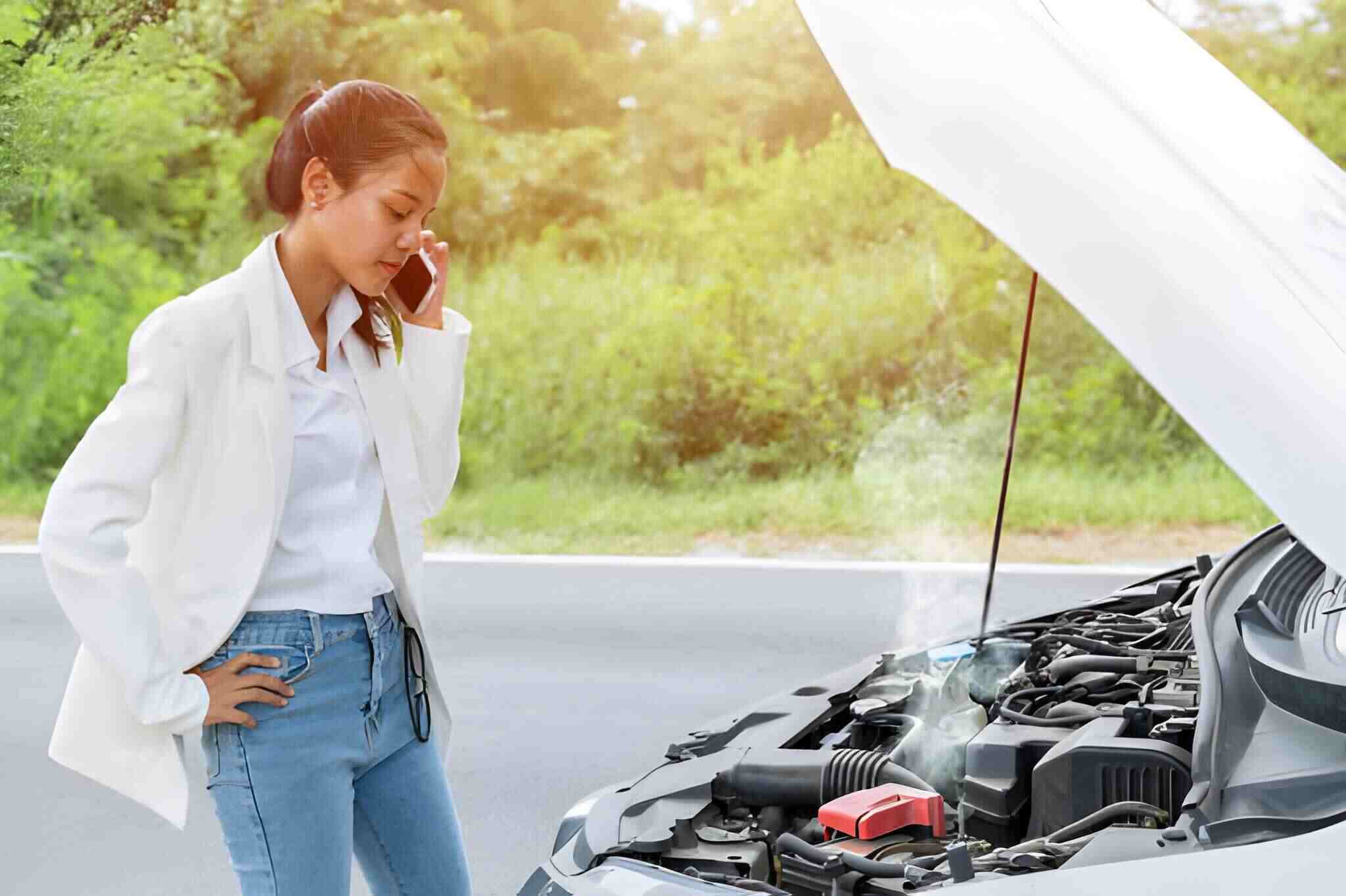
professional towing services near me loading car onto flatbed truck
Car breakdowns rarely happen at a good time. One moment you are driving normally. The next moment, the car stops moving. In Dubai, this can happen on highways, service roads, or inside busy city traffic.
When this happens, most drivers immediately search “recovery near me.” That is the right step. But what you do next matters just as much. The minutes after a breakdown can affect your safety, your car, and other drivers around you.
Knowing how to act while waiting for recovery help makes the situation calmer and safer.
1. Stay Calm and Think Clearly
The first reaction is usually stress. That is normal.
Take a deep breath. Panicking leads to poor decisions. Most breakdowns are not emergencies if handled correctly. Staying calm helps you focus on safety instead of fear.
Your priority is not fixing the car. Your priority is protecting yourself and others.
2. Turn On Hazard Lights Immediately
Hazard lights are your first line of protection.
They alert other drivers that your car is not moving normally. On fast Dubai roads, this warning is critical. Turn them on as soon as the car stops or starts losing power.
Do not wait. Even a few seconds matter in traffic.
3. Move to a Safer Spot If Possible
If the car can still roll, move it.
Try to reach the shoulder, a service lane, or a parking area. Avoid stopping in the middle of the road. Even a few meters can reduce risk.
If the engine shuts down completely and the car will not move, stay where you are and focus on visibility.
Never try to push the car across active lanes.
4. Stay Inside the Vehicle on Busy Roads
Many drivers think getting out is safer. In Dubai traffic, this is often wrong.
If you are on a highway or busy road, stay inside the car with your seatbelt on. Standing outside increases the risk of being hit by passing vehicles.
Only exit the vehicle if you are in a safe area and well away from traffic.
5. Place Warning Triangle Only If Safe
Warning triangles help, but safety comes first.
If traffic is light and visibility is good, placing a triangle behind the car can help alert others. On fast roads, do not risk walking into traffic to place it.
Your safety matters more than the triangle.
6. Share Accurate Location Details
When you search “recovery near me”, be ready with clear information.
Tell the recovery team:
- Road name or highway number
- Nearby landmarks or exits
- Direction you were driving
- Lane or shoulder location
Accurate details reduce waiting time and confusion.
7. Do Not Attempt Roadside Repairs
Many drivers try to fix the issue themselves.
Opening the hood in traffic, touching hot engines, or checking wires can be dangerous. Modern cars are complex. Simple-looking problems can cause injuries or further damage.
Unless the issue is very minor and you are in a safe area, wait for professional help.
8. Avoid Restarting the Engine Repeatedly
If the car shut down suddenly, repeated restarts can cause harm.
This is especially true if the problem is overheating, oil pressure loss, or electrical failure. Restarting may make the damage worse.
If the engine does not start the first time, stop trying and wait for recovery.
9. Keep Passengers Calm and Seated
If you have passengers, guide them.
Ask them to stay seated with seatbelts on. Children should remain calm and inside the car. Do not allow passengers to wander on the road or stand behind the vehicle.
Clear instructions reduce panic and accidents.
10. Watch for Warning Signs Around You
Stay alert while waiting.
Notice approaching traffic. Keep an eye on mirrors. If the situation becomes unsafe, such as vehicles swerving too close, be ready to adjust position if possible.
Awareness helps prevent secondary accidents.
11. Protect Yourself From Heat
Dubai heat can be intense, especially if the engine is off.
If safe, open windows slightly for airflow. Drink water if available. Avoid sitting in direct sunlight if the car is not moving.
Heat exhaustion can become a problem if recovery is delayed.
12. Do Not Accept Random Help on Busy Roads
Well-meaning strangers may stop to help.
On busy roads, this can create more danger. Extra vehicles stopping increase risk. Professional recovery teams are trained to handle traffic situations safely.
It is usually better to wait for proper assistance.
13. Understand Why Waiting Safely Matters
Many accidents happen after the breakdown, not because of it.
Drivers get hit while pushing cars. People slip while checking engines. Secondary collisions occur when warning signals are not clear.
Waiting safely reduces these risks significantly.
14. Learn From the Breakdown
Once the situation is under control, reflect.
Did warning lights appear earlier? Was the car overdue for service? Did heat or traffic make things worse?
Learning from the experience helps prevent future breakdowns.
15. How Prepared Drivers Reduce Stress
Prepared drivers handle breakdowns better.
Simple preparation includes:
- Keeping a charged phone
- Saving emergency numbers
- Carrying water
- Knowing basic warning signs
Preparation turns a stressful event into a manageable one.
Conclusion
Breaking down on Dubai roads is stressful, but it does not have to be dangerous. Once you search “recovery near me,” what you do next matters.
Staying calm, visible, and safe protects you and others. Avoid risky actions. Wait patiently. Let professionals handle the situation.
Drivers who know how to act during these moments stay safer, reduce damage, and recover faster. On busy and fast-moving Dubai roads, smart decisions after a breakdown make all the difference.
Top-Rated Beirut Escorts Offering Sophisticated Experiences
Saving Time and Money with a Healthcare Virtual Assistant Today
What to Look for When Choosing a Trade Show Booth Manufacturer in the U.S.?
How Recreational Cannabis Stores Work: Rules and Regulations
Remote Bookkeeping Services Australia: The Invisible Engine Behind Modern Businesses
About the Author