Spending a week at a golf camp in St Andrews is an experience unlike any other. From the historic courses to the immersive coaching sessions, campers get more than just golf lessons, they experience a complete environment designed to develop skills, confidence, and a deeper appreciation for the game. Whether your child is a beginner or looking to refine advanced techniques, understanding the structure of the week helps set expectations and ensures a smooth, rewarding experience.
Arrival and Accommodation
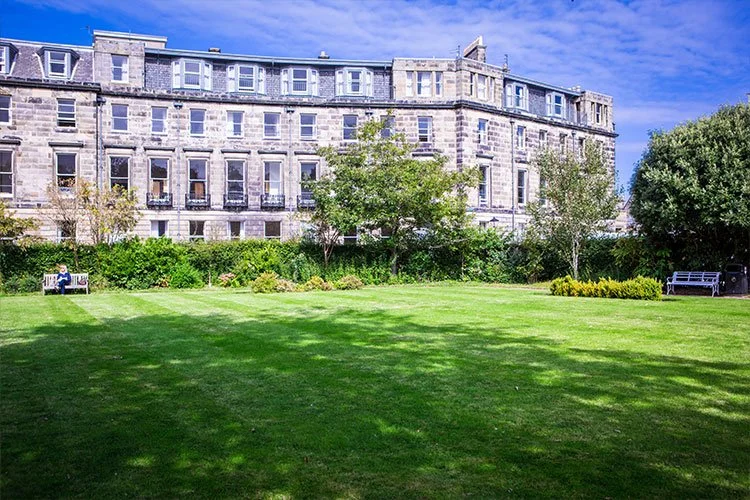
Campers usually arrive in the morning or early afternoon, ready to settle into their accommodation. Most stay in university halls, which offer a mix of shared rooms, study areas, and quiet corners for downtime. Living on campus provides a sense of independence while remaining in a safe and supervised environment. Evenings are often spent exploring the surroundings, relaxing, or enjoying organized activities.
Campers get a balance of social interaction and personal time, helping them adjust to the pace of camp life. Meals are typically provided in the hall dining areas, offering nutritious options to keep energy levels high for both practice and on-course sessions. These accommodations help create the ideal environment for participants attending a St Andrews golf camp, ensuring they are comfortable, focused, and ready to make the most of their experience.
Daily Schedule
Each day follows a structured routine, balancing coaching, on-course play, meals, and recreational activities. Mornings typically begin with breakfast, followed by warm-ups and stretching to prepare the body for focused sessions.
Morning Coaching
Morning sessions often focus on technique. Here, campers refine swings, practice putting, and work on short-game skills. Instruction is delivered through a combination of group drills and one-on-one feedback, allowing every camper to receive guidance tailored to their level. In particular, those participating in professional golf coaching sessions benefit from highly targeted advice on swing mechanics, stance, and shot accuracy.
Lunch and Breaks
After the morning session, campers enjoy lunch and a short break. This is an opportunity to rest, socialize, and recharge for the afternoon. Nutrition is emphasized to maintain energy levels, and healthy options are usually offered to fuel performance.
Afternoon On-Course Play
Afternoons are often dedicated to playing on the local courses. This is where campers apply the skills they practiced earlier in the day. Playing on real links courses offers a practical learning experience that indoor or practice-only sessions cannot replicate. Campers experience course management, strategy, and the challenges of varying terrain and conditions, which are essential for developing well-rounded skills.
Evening Activities
Evenings include supervised activities, such as games, group projects, or casual putting competitions. These sessions encourage camaraderie and help campers build friendships while reinforcing lessons learned during the day. Quiet study time or optional practice may also be available for those who want to continue honing specific skills.
Golf Courses and Facilities
The variety of golf courses used during the week adds depth to the experience. Campers rotate among historic and modern courses, each offering different challenges. Some courses have traditional links features with uneven terrain and natural hazards, while others focus on parkland-style layouts with tree-lined fairways and strategic bunkering.
Practice facilities are equally comprehensive. Driving ranges, putting greens, and short-game areas provide spaces to focus on technical skills. Indoor teaching studios and all-weather bays ensure that campers can continue training even if the weather changes. This mix of indoor and outdoor practice helps build confidence and adaptability.
Camp Options
Different campers may follow distinct programs depending on their goals. Options often include focused skill development, advanced performance training, or broader exposure to all aspects of golf. Each path is structured to maximize improvement while accommodating the camper’s experience level.
In addition to skill development, special workshops or sessions may cover rules, etiquette, and strategies for course play. This comprehensive approach ensures that campers leave with a well-rounded understanding of the game.
Closing Day and Reflection
The final day of the camp often includes a review of the week. Campers may participate in friendly competitions or demonstrations to showcase the skills they have developed. Coaches provide feedback, highlight improvements, and discuss strategies for continued practice after camp.
Reflection sessions encourage campers to set future goals, reinforcing the lessons learned and fostering a sense of accomplishment. Many leave with not only improved golfing ability but also enhanced self-confidence and memories that last long after the camp ends.
Summary
A week at a golf camp in St Andrews offers a structured, immersive experience. From early-morning coaching to evening activities, every part of the day is designed to balance skill development, on-course experience, and personal growth. Campers gain access to excellent facilities, professional instruction, and historic courses while building friendships and developing a love for the game.
By the end of the week, participants walk away with tangible improvements, valuable life skills, and a deeper understanding of golf. For those seeking an enriching environment to develop as golfers, the camp provides the perfect setting to combine learning, practice, and fun.
