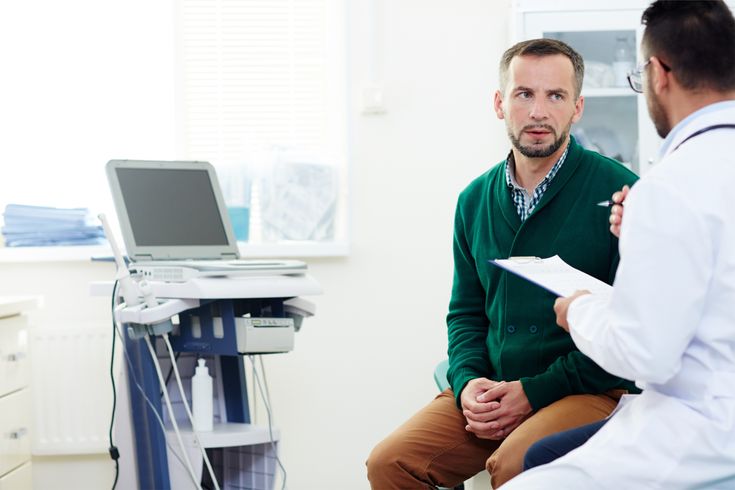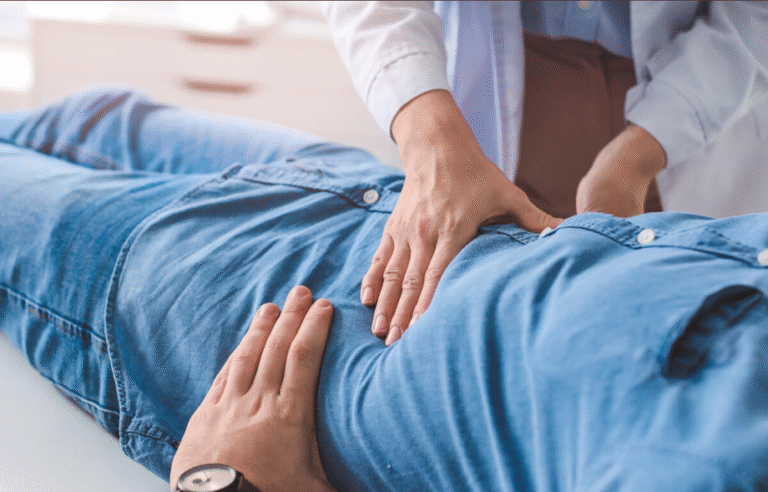


Starting your first caregiver training session can feel both exciting and a little overwhelming. Whether you are preparing for a career in home care, elderly care, or specialized support, the training session is your first step toward gaining the knowledge and skills you need to provide compassionate and professional care. Understanding what to expect from your initial training can help you feel more confident, focused, and ready to learn. In this article, we’ll explore what usually happens in a first caregiver training session, how to prepare for it, and what skills and knowledge you can expect to gain, with a focus on Caregiver Training Mayo and Home Care Mayo opportunities.
1. Introduction to the Role of a Caregiver
Your first caregiver training session, such as those offered in Caregiver Training Mayo, typically begins with an overview of what it means to be a caregiver. Trainers will explain the responsibilities, expectations, and the importance of the role. As a caregiver, you are not only assisting with daily tasks but also supporting the emotional and social well-being of the individuals in your care.
This part of the session will often cover:
- The scope of caregiver duties – assisting with bathing, dressing, feeding, medication reminders, mobility support, and household tasks.
- The importance of empathy and patience – caregivers must be understanding, gentle, and able to adapt to the needs of those they care for.
- Professionalism and boundaries – learning how to maintain a professional relationship while providing compassionate support.
Understanding these basics sets the foundation for the more practical parts of training that will follow.
2. Understanding Safety and Health Guidelines
Safety is a major focus in caregiver training. During your first session, trainers will introduce you to the fundamental safety protocols that are essential for both your protection and the well-being of your clients.
You can expect to learn about:
- Personal protective equipment (PPE) – when and how to use gloves, masks, and gowns.
- Infection control – hand hygiene, cleaning surfaces, and minimizing the spread of germs.
- Emergency procedures – what to do in case of falls, accidents, or medical emergencies.
Learning these guidelines early helps prevent injuries and ensures a safe environment for everyone involved. Trainers may also provide real-life examples to illustrate common safety challenges in caregiving, especially in home care settings like Home Care Mayo.
3. Basic First Aid and Medical Knowledge
Your first caregiver session often includes an introduction to basic first aid. You don’t need to be a medical professional, but knowing how to respond in emergencies is crucial.
Topics typically covered include:
- Recognizing medical emergencies – such as heart attacks, strokes, or severe allergic reactions.
- Basic CPR and first aid techniques – including how to assist someone who has fallen or is having trouble breathing.
- Medication awareness – understanding common medications, safe administration, and the importance of following instructions precisely.
This training builds your confidence in handling unexpected situations while ensuring your client receives immediate and appropriate support.
4. Communication Skills and Emotional Support
A large part of caregiving involves communication. Your first session will likely include training on how to communicate effectively with clients, families, and other healthcare professionals.
You will learn how to:
- Listen actively – paying attention to both verbal and non-verbal cues.
- Use clear and respectful language – adapting your communication style depending on the client’s needs, age, and abilities.
- Provide emotional support – recognizing signs of stress, depression, or anxiety, and responding with empathy.
- Handle difficult situations – such as client frustration or resistance to care.
Communication training emphasizes that caregiving is not just about performing tasks but also about building trust and understanding the emotional needs of those you care for.
5. Hands-On Practice
One of the most valuable aspects of your first caregiver training session is hands-on practice. Trainers often demonstrate essential caregiving tasks and allow you to practice under supervision.
You may practice:
- Assisting with mobility – helping clients move safely from bed to wheelchair or walking with support.
- Personal care routines – such as bathing, grooming, dressing, and toileting assistance.
- Feeding and hydration support – learning how to help clients eat safely, including those with swallowing difficulties.
- Using caregiving equipment – such as hoists, wheelchairs, or walkers.
Hands-on practice allows you to gain confidence and learn correct techniques while receiving immediate feedback from experienced trainers in Caregiver Training Mayo programs.
6. Understanding Client Needs and Individualized Care
Every client is unique, with specific preferences, medical conditions, and lifestyle needs. Your first session introduces the concept of individualized care.
You will learn to:
- Assess client needs – understanding physical, emotional, and social requirements.
- Create care plans – developing a structured approach tailored to the client’s routine and health conditions.
- Respect privacy and dignity – maintaining professionalism while supporting personal care and independence.
- Cultural and personal sensitivity – respecting traditions, beliefs, and preferences.
This section reinforces that effective caregiving goes beyond completing tasks; it’s about providing holistic care that improves quality of life. Home care programs like Home Care Mayo emphasize this individualized approach.
7. Documentation and Reporting
Accurate documentation is a key part of professional caregiving. Your first training session will cover how to record essential information and communicate effectively with supervisors or family members.
Topics include:
- Daily care logs – recording meals, medications, mood, and activities.
- Incident reporting – documenting falls, accidents, or unusual behavior.
- Confidentiality and privacy – handling client information with care and following legal requirements.
Proper documentation ensures continuity of care and protects both the caregiver and the client.
8. Preparing for Ongoing Training
Your first caregiver training session is just the beginning. Trainers often provide guidance on how to continue learning and improving your skills.
This may include:
- Advanced training modules – such as dementia care, palliative care, or specialized medical support.
- Workshops and seminars – opportunities to learn from experts and stay updated with best practices.
- Certification and professional development – obtaining credentials that improve career opportunities and credibility.
Caregiver training is a continuous process, and your first session sets the stage for growth and skill development, particularly in regions with strong programs like Caregiver Training Mayo.
9. What You Should Bring and How to Prepare
To make the most of your first caregiver training session, preparation is key. Trainers often suggest bringing:
- Notebook and pen – to take notes on important points and techniques.
- Comfortable clothing – especially for hands-on practice.
- Questions and openness to learn – don’t hesitate to ask about procedures, techniques, or challenging scenarios.
Preparing mentally and physically ensures you get the maximum benefit from the training session.
10. Building Confidence and Motivation
One of the most important outcomes of your first caregiver training session is increased confidence. By observing experienced trainers, practicing essential skills, and learning about client care, you gain assurance in your ability to provide quality care.
Remember:
- It is normal to feel nervous at first.
- Mistakes are part of the learning process.
- Continuous practice and learning will improve your skills.
- Your dedication can make a real difference in someone’s life.
Training is not only about learning tasks but also about building your identity as a competent, compassionate caregiver. Programs like Home Care Mayo support new caregivers in building these critical skills.
Conclusion
Your first caregiver training session is an essential stepping stone toward a rewarding career. It introduces you to the responsibilities, skills, and mindset needed to provide high-quality care. From understanding safety guidelines and basic medical knowledge to practicing hands-on skills and learning communication strategies, this session prepares you for real-world caregiving scenarios.
By attending your first session with an open mind, willingness to learn, and a focus on empathy, you can start your caregiving journey confidently. Over time, continued training and experience, especially through programs like Caregiver Training Mayo and Home Care Mayo, will help you refine your skills, handle challenging situations with ease, and make a meaningful impact in the lives of the people you care for.
With preparation, practice, and patience, your first caregiver training session will be a valuable and empowering experience that lays the foundation for a successful and fulfilling career in caregiving.
Sculpt Your Ideal Nose with Rhinoplasty
What to Expect During a Visit from Plumbing Services Dallas Professionals
How do Special Event Lighting Services in Kingston Work?
Unlocking Global Opportunities Through Language Learning in Mumbai
Finding the Best Gastroenterologist in Vashi: A Real, Human Journey Toward Better Digestive Health
About the Author