


Car maintenance often gets simplified into routine oil changes and tire checks, but there are two services that play a major role in how your vehicle handles on the road—alignment and balancing. While both are essential for smooth driving, many drivers confuse one for the other. Understanding the difference between these services can help you maintain better control, extend tire life, and avoid unnecessary repair costs. If you’ve ever experienced vibrations or your car pulling to one side, there’s a good chance your vehicle needs attention related to wheel alignment or balancing.
What Is Wheel Alignment?
Wheel alignment refers to adjusting the angles of your vehicle’s wheels so they are set to the manufacturer’s specifications. The goal is to ensure that the tires meet the road at the correct angle and that all wheels are pointing in the right direction.
There are three main alignment angles:
- Camber: This measures how much the wheels tilt inward or outward when viewed from the front.
- Caster: This angle relates to the steering axis when viewed from the side of the vehicle.
- Toe: This determines whether the tires point inward or outward when viewed from above.
When these angles are off, your vehicle may not drive straight, and your tires can wear unevenly. Proper alignment ensures stability, better fuel efficiency, and improved handling.
What Is Wheel Balancing?
Wheel balancing focuses on correcting weight distribution across the tire and wheel assembly. Even a slight imbalance can cause noticeable vibrations, especially at higher speeds.
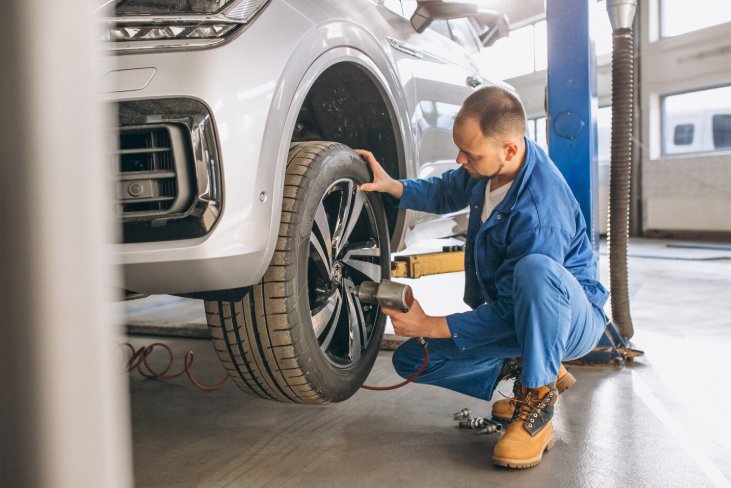
During balancing, small weights are added to the wheel to ensure it spins evenly. Over time, tires can become unbalanced due to wear, road conditions, or even minor manufacturing differences.
Balancing is especially important for:
- Eliminating vibrations in the steering wheel
- Preventing uneven tire wear
- Improving ride comfort
Key Differences Between Wheel Alignment and Wheel Balancing
Although both services relate to your vehicle’s wheels, they address entirely different issues. Understanding their differences helps you identify what your car actually needs.
Purpose
- Wheel Alignment: Ensures wheels are angled correctly relative to the road and each other.
- Wheel Balancing: Ensures even weight distribution around the tire and wheel.
Symptoms
- Alignment Issues: Vehicle pulls to one side, crooked steering wheel, uneven tire wear.
- Balancing Issues: Vibrations in the steering wheel, floorboard, or seat, especially at higher speeds.
Process
- Alignment: Adjusting suspension components to correct wheel angles.
- Balancing: Adding weights to the wheel rim to correct weight imbalances.
Frequency
- Alignment: Typically required once or twice a year, or after hitting potholes or curbs.
- Balancing: Often done during tire installation or rotation.
Why Wheel Alignment Matters
Driving with poor alignment doesn’t just affect comfort—it can lead to serious long-term damage. Misaligned wheels can cause tires to wear out faster, reducing their lifespan significantly.
Other risks include:
- Reduced fuel efficiency due to increased rolling resistance
- Difficulty in steering control
- Increased strain on suspension components
Regular alignment checks help maintain vehicle stability and reduce repair costs over time.
Why Wheel Balancing Is Important
Unbalanced wheels may seem like a minor inconvenience at first, but the effects can worsen quickly. The vibrations caused by imbalance can impact not only your tires but also your suspension and steering system.
Some consequences of ignoring balancing include:
- Premature tire wear
- Stress on shock absorbers and bearings
- Reduced driving comfort
Balancing ensures a smoother ride and helps your tires perform evenly over time.
Signs Your Car Needs Wheel Alignment
Recognizing alignment issues early can save you from expensive repairs. Here are some common warning signs:
Uneven Tire Wear
If one side of your tire wears out faster than the other, it’s often a sign of misalignment.
Steering Wheel Off-Center
A steering wheel that isn’t straight when driving on a level road indicates alignment problems.
Vehicle Pulling to One Side
If your car drifts left or right without steering input, it’s time for an alignment check.
Noisy or Rough Ride
Poor alignment can make your ride feel less stable and more uncomfortable.
Signs Your Car Needs Wheel Balancing
Wheel imbalance tends to show up in different ways compared to alignment issues.
Steering Wheel Vibrations
One of the most common signs, especially noticeable at speeds above 60 km/h.
Uneven Tread Wear
Although similar to alignment, balancing issues usually create patchy wear patterns.
Increased Road Noise
An unbalanced tire can produce humming or buzzing sounds while driving.
Shaking at High Speeds
If your car feels smooth at low speeds but vibrates on highways, balancing may be the issue.
When Should You Get Both Done?
In many cases, alignment and balancing go hand in hand. For example, when installing new tires, it’s a good idea to perform both services to ensure optimal performance.
You should consider doing both if:
- You’ve hit a pothole or curb
- You’ve installed new tires
- You notice both vibration and pulling issues
- Your vehicle hasn’t been serviced in a long time
Combining both services helps maintain a smoother, safer driving experience.
Cost Considerations and Long-Term Benefits
While alignment and balancing come with a cost, they are far more affordable than replacing worn-out tires or repairing suspension damage.
Benefits include:
- Longer tire lifespan
- Better fuel economy
- Improved driving safety
- Reduced wear on vehicle components
Routine maintenance may seem like an added expense, but it pays off in reduced long-term costs and improved vehicle performance.
Final Thoughts
Wheel alignment and wheel balancing are often misunderstood, yet both are essential for keeping your vehicle in top condition. Alignment focuses on correcting wheel angles, while balancing ensures even weight distribution. Ignoring either can lead to uneven tire wear, poor handling, and unnecessary strain on your vehicle.
Paying attention to early warning signs and scheduling regular maintenance checks can make a noticeable difference in how your car performs on the road. Whether you’re dealing with vibrations or steering issues, addressing the problem promptly will help you drive with confidence and comfort. For drivers looking to maintain peak performance and safety, scheduling regular services like wheel alignment Plano can ensure your vehicle remains reliable and road-ready.
About the Author