Let me paint you a picture.
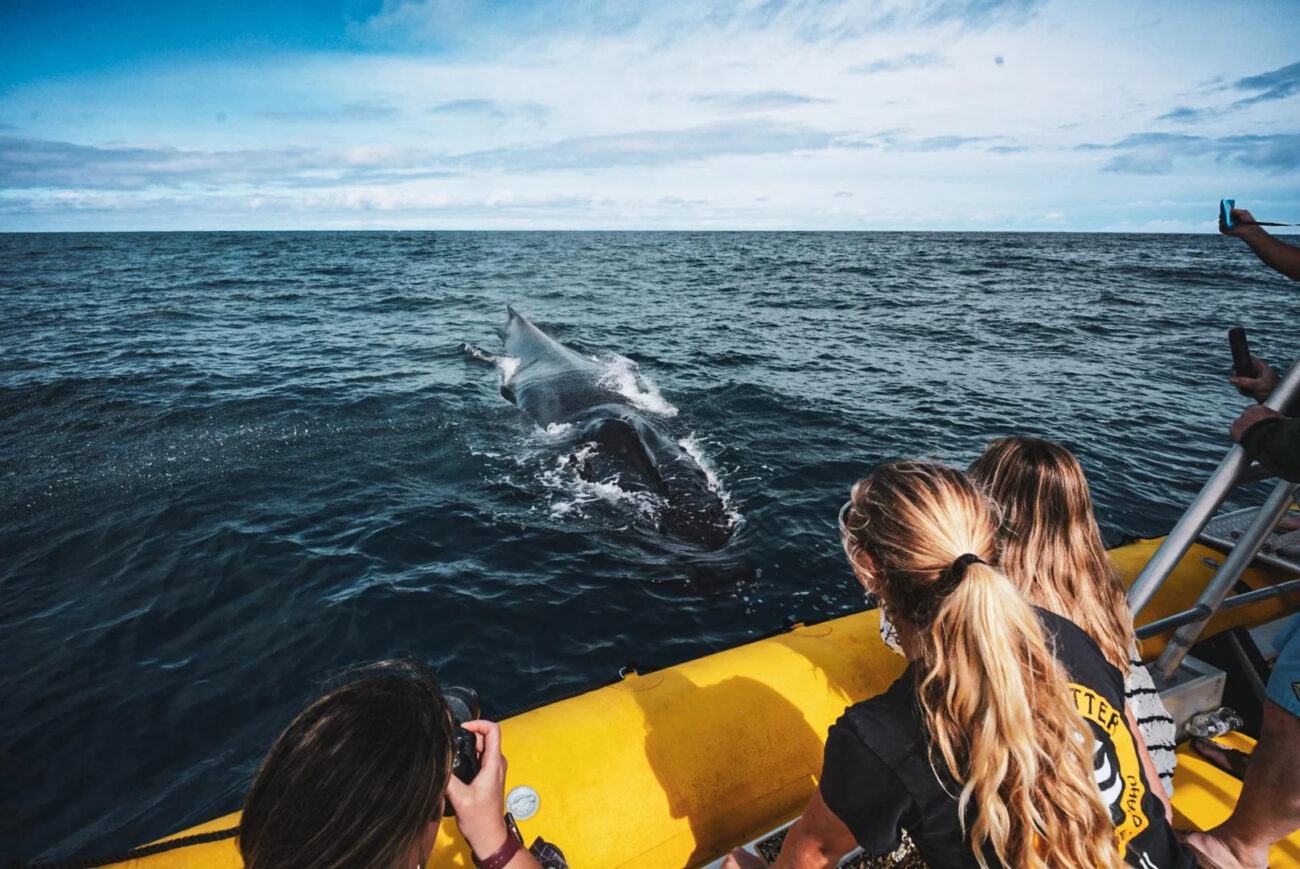
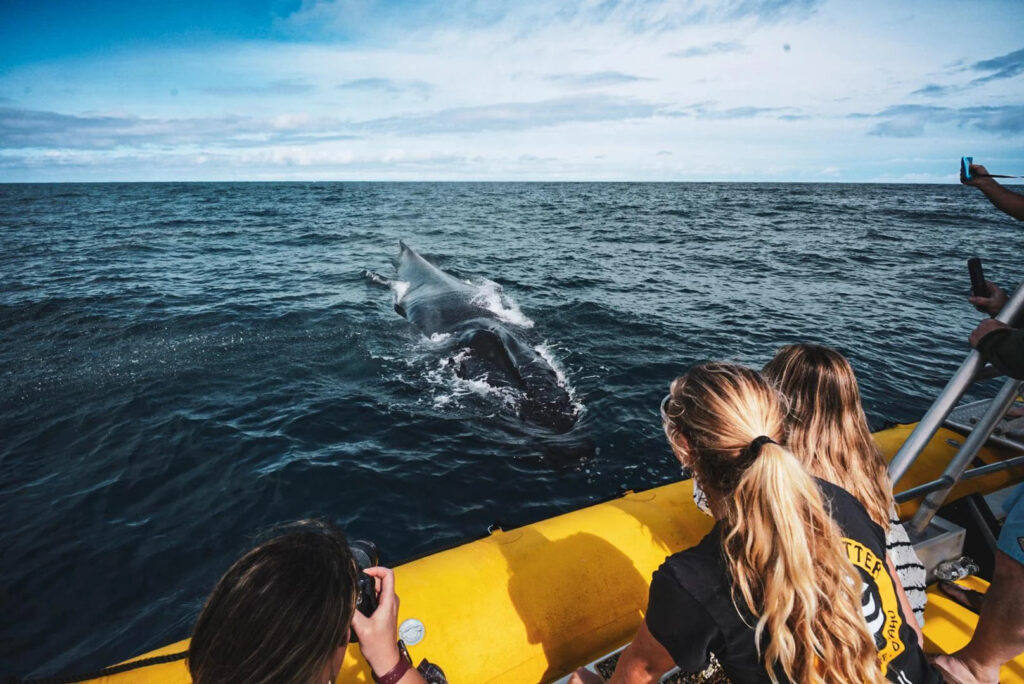
It’s 7 in the morning. You’re on a small boat somewhere between Maui and Lana’i, coffee still in hand, ocean so flat it looks like hammered glass. And then without any warning a 40-ton animal launches itself completely out of the water maybe 60 yards off the bow. Hangs there for a half-second that feels like a full minute. Then crashes back down with a boom you feel in your chest.
Nobody on the boat says anything for a moment. Then everyone talks at once.
That’s whale watching in Maui. And once you’ve experienced it, you’ll spend the rest of the year trying to figure out how to get back.
The Quick Answer (For Those Who Need It Fast)
The best time for whale watching in Maui is mid-December through mid-April, with the absolute sweet spot being January through early March. February is the crown jewel — peak whale density, maximum behavioral activity, and the highest chance of witnessing multiple breaches in a single morning. In 2026, expect prime conditions from late January onward. Book your tours before you leave home. February sells out.
Why Maui, Though? Why Not Kauai or the Big Island?
Fair question. All of the Hawaiian Islands get humpback visitors during winter. But Maui specifically the Au’au Channel sitting between Maui, Lana’i, and Moloka’i is the epicenter. The channel averages around 300 feet deep and stays unusually calm compared to open Pacific waters. For a mother humpback trying to nurse a newborn calf, that combination of shallow depth and protected water is essentially ideal. It’s harder for predators to sneak up. The calf can surface easily to breathe. The warm water means neither mom nor baby burns too many calories just staying alive.
The federal government recognized this decades ago. The Hawaiian Islands Humpback Whale National Marine Sanctuary was established specifically to protect these waters. During peak season, researchers estimate somewhere between 10,000 and 12,000 North Pacific humpbacks make their way to Hawaii and a strikingly large proportion of them end up right here around Maui.
That’s why tour operators can honestly advertise a 95% sighting success rate. It’s not marketing spin. The whales are simply there, in extraordinary numbers, in a relatively confined area. You’d almost have to try to miss them.
How the Season Actually Unfolds, Month by Month
Here’s something most travel blogs gloss over: the whale watching season in Maui isn’t uniform. Showing up in mid-December feels completely different from showing up in mid-February. The experience changes dramatically as the season builds, peaks, and winds down.
Mid-December is when the first reliable sightings start. A few early arrivals show up, usually lone adults moving through. Sightings happen, but they’re not guaranteed. Think of it as opening weekend the show has started, but the house isn’t full yet.
January is when things get serious. The population builds fast, and by the second or third week of January, the channel starts filling up. You’ll see competitive pods forming groups of males pursuing females, jostling and racing and throwing themselves around with surprisingly aggressive energy. The water gets busy. If you’re visiting in January, you’re getting the real thing.
February is simply the best month for whale watching in Maui. Full stop. Whale density hits its peak. Competitive pod behavior is constant. Calves born earlier in the season are growing fast and starting to test their limits you’ll see them attempting practice breaches beside their mothers, these wobbly half-launches that are genuinely endearing. And because so many whales are present, you’ll often be watching multiple animals at once from the same boat. It’s overwhelming in the best possible way.
March stays strong, often surprisingly so. The first adults begin heading back toward Alaska’s feeding grounds around mid-March, but mothers with young calves tend to linger. March is actually a wonderful time to visit if you want a slightly calmer experience fewer tourists than February, but still exceptional whale watching. The calves are bigger, more confident, and far more acrobatic.
April is the tail end. Activity drops noticeably by mid-month. You can still get good sightings, especially early in the month, but it’s winding down. If April is your only option, go just don’t expect February-level fireworks.
What the Whales Are Actually Doing Out There
This matters more than people realize, because understanding whale behavior changes how you watch them. These animals aren’t just drifting around looking scenic. They’re in the middle of the most important weeks of their year.
Breaching is the behavior everyone wants to see, and for good reason. A full breach where the whale clears most of its body out of the water is one of the most spectacular things in the natural world. Why they do it is still somewhat debated among marine biologists. Parasite removal, communication, playfulness, or just pure exuberance maybe all of the above. What isn’t debated is how it feels to witness one up close. The sound alone, that thunderous slap when 40 tons hits the water, carries across the channel.
Competitive pods are something else entirely. A group of males sometimes just 3 or 4, sometimes closer to 20 will pursue a single female for hours, ramming each other, jostling for position, surfacing in overlapping chaos. If your boat encounters one of these, the captain will often just cut the engine and drift. There’s nothing to do but watch. These pods can cover miles of ocean in a single afternoon and produce more splashing, diving, and surface activity than any other whale behavior.
Spy hopping is quietly wonderful. The whale pokes its head straight up out of the water, rotates slowly, and looks around. Literally looks around. There’s something about making eye contact with an animal that size even across fifty yards of water that stays with you. It feels less like observation and more like being observed.
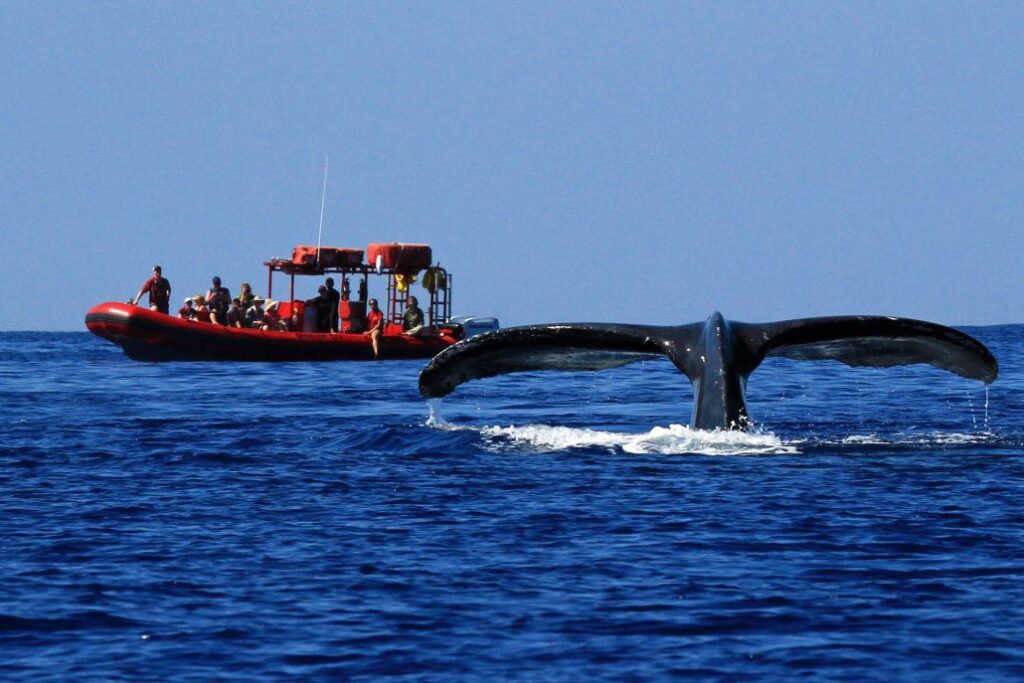
Pec slapping, tail lobbing, and flipper waving round out the repertoire. Humpbacks have the longest pectoral fins of any whale up to 15 feet and they slap them on the surface with an enthusiasm that seems almost performative. Whether it’s communication or just fun, it makes for great photography.
The Best Spots to Actually See Them
Lahaina Harbor is the hub of whale watching in Maui. Tour operators line the docks, departures run from early morning through evening, and during peak season you can sometimes spot spouts from the harbor entrance itself before you’ve even boarded. It’s convenient, well-organized, and has options for every budget. Start here if you’re not sure where else to go.
Ma’alaea Harbor, on the south coast, gets you into the richest channel waters quickly. Mornings here tend to be calmer than Lahaina useful if anyone in your group gets seasick. Several of the best small-boat operators depart from Ma’alaea specifically because it puts you in the middle of prime territory faster.
McGregor Point deserves its own paragraph. This rocky lookout on the Pali Highway between Lahaina and Ma’alaea is where locals go to watch whales for free. During a good February morning, you can stand here with binoculars and count 30 or 40 spouts an hour. The Pacific Whale Foundation runs organized shore counts from this point during the season you can join for free and watch alongside actual researchers. Honestly, for some people, this ends up being the highlight of the trip. There’s something grounding about watching whales from solid ground, without the noise of an engine.
Kaanapali Beach boat tours give you a different angle. Some operators here run hybrid snorkeling and whale watching trips you’ll snorkel Molokini or a reef site, and the boat pauses whenever pods appear nearby. A few tours carry hydrophones you can dip in the water to hear whale song. Hearing it for the first time that strange, haunting, impossibly complex sound is one of those moments you don’t forget.
Picking the Right Tour
The difference between a large catamaran carrying 80 tourists and a small rigid inflatable with 10 passengers is significant. Neither is wrong, but they offer genuinely different experiences.
Small boats get you low to the water, close to the action, and surrounded by people who chose the same intimate experience you did. Guides on these tours are typically marine naturalists who’ve been doing this for years and will answer every question you have. They run $90 to $150 per person and sell out quickly book two or three weeks ahead minimum for February.
Large catamarans are better for families with young kids, anyone who gets seasick easily, or groups that want a more social atmosphere. They’re stable, comfortable, often include drinks or food, and their sighting rates are just as high. You’re not going to miss whales because you chose the bigger boat. Prices run roughly $50 to $90.
Sunset tours are the hidden gem of the whole season. Whale activity holds up well into early evening, the golden-hour light for photography is extraordinary, and the boats are noticeably less crowded than morning departures. If you’re spending more than a few days on Maui during whale season, book at least one sunset tour. You won’t regret it.
A Few Things Worth Knowing Before You Go
Take motion sickness medication before you board not once you’re already on the water. An hour before departure is the standard recommendation. Even people who don’t normally get seasick can struggle on a small boat in choppy afternoon conditions.
Reef-safe sunscreen is legally required in Hawaii, and the ocean glare is merciless. Polarized sunglasses make a genuine difference not just for comfort, but for spotting distant spouts. A spout looks like a small puff of mist on the horizon, and polarized lenses cut the glare enough to see them from much farther away.
Federal law requires boats to maintain at least 100 yards of distance from humpback whales. What the law can’t control is what the whales choose to do. Curious juveniles sometimes swim directly under boats, surfacing inches from the hull. When that happens, captains cut the engine and let it unfold. These unplanned close encounters are often the moments people talk about for years afterward.
What to Expect for the 2026 Season Specifically
The long-term trajectory of the North Pacific humpback population has been genuinely encouraging. Estimates suggest around 21,000 animals today, compared to roughly 1,400 at the species’ lowest point after the commercial whaling era. More whales in Alaska’s feeding grounds means more whales arriving in Maui’s channel each winter.
For 2026, the first reliable sightings are expected around mid-December 2025, with the population building steadily through January. Late January and the first half of February should represent the statistical peak the window where whale density is highest and behavior is most dramatic. March will remain strong. By late April, the channel quiets back down.
If you can choose your dates freely, aim for the last ten days of January or the first three weeks of February 2026. That’s the window where everything lines up numbers, behavior, and weather.
One Last Thing
Whale watching in Maui has a way of recalibrating your sense of scale. You go in thinking it’ll be a fun activity, a decent photo opportunity, something to check off the Hawaii itinerary. And then a living animal the size of a city bus breaches 50 yards from where you’re standing, and something shifts.
These whales have been making this migration Alaska to Hawaii and back for longer than recorded human history. They navigate without instruments across 3,000 miles of open ocean, find the same channel every year, raise their young in the same warm shallows their mothers used. There’s a weight to that continuity that’s hard to articulate but easy to feel when you’re actually out there on the water.
Go in 2026. Book early. Get out on the water twice if you can. And spend at least one morning at McGregor Point just watching, quietly, for free.
You’ll be glad you did.
Based on data from the Hawaiian Islands Humpback Whale National Marine Sanctuary, NOAA, and the Pacific Whale Foundation. Federal approach distance regulations apply always book with licensed, sanctuary-certified operators.
