
Thyroid Ablation
Understanding Thyroid Disorders and Treatment Options
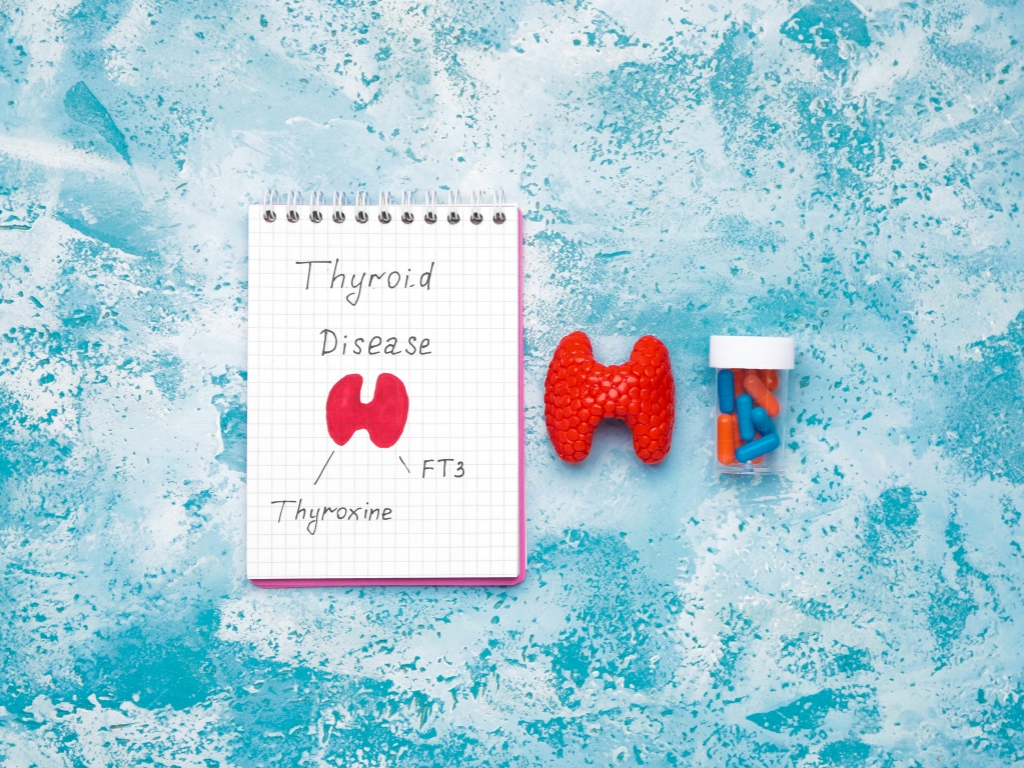
The thyroid gland plays a vital role in regulating metabolism, energy levels, heart rate, and many other body functions. When this gland develops nodules, cysts, or abnormal growths, it can lead to various thyroid disorders. Some nodules are harmless and require only monitoring, while others may cause symptoms such as difficulty swallowing, voice changes, or cosmetic concerns. In recent years, thyroid ablation has become an increasingly popular treatment option for selected patients who want to avoid surgery or long-term medication.
What Is Thyroid Ablation?
Thyroid ablation is a minimally invasive procedure designed to reduce the size of thyroid nodules or abnormal tissue without removing the thyroid gland. The treatment uses targeted energy, such as radiofrequency, laser, or other thermal methods, to destroy problematic thyroid tissue. Over time, the treated area shrinks, and symptoms often improve. Unlike traditional surgery, thyroid ablation typically does not require general anesthesia, large incisions, or long hospital stays.
Common Thyroid Conditions That May Require Treatment
Not every thyroid condition needs intervention. However, treatment becomes necessary when nodules or thyroid disorders begin to affect a patient’s quality of life or overall health. Common conditions that may lead to treatment include:
- Benign thyroid nodules that grow over time
- Thyroid cysts that refill after drainage
- Hyperfunctioning or “hot” nodules causing hyperthyroidism
- Nodules causing compressive symptoms
- Cosmetic concerns due to visible swelling
In many of these cases, thyroid ablation may be considered as an alternative to surgery.
When Is Thyroid Ablation Recommended?
Thyroid ablation is not suitable for every patient, but it is recommended in several specific situations. Doctors usually evaluate the size, type, and behavior of the thyroid nodule before deciding on this treatment.
1. Benign Thyroid Nodules Causing Symptoms
One of the most common reasons for thyroid ablation is the presence of benign nodules that cause discomfort. These nodules may press against the windpipe or esophagus, leading to symptoms such as difficulty swallowing, throat tightness, or breathing issues. When such symptoms interfere with daily life, thyroid ablation offers a safe way to shrink the nodule and relieve pressure without removing the entire gland.
2. Cosmetic Concerns from Visible Nodules
Some patients experience emotional or social discomfort due to visible swelling in the neck area. Even when nodules are harmless, their appearance can affect confidence and self-image. In these cases, thyroid ablation is often recommended to reduce the size of the nodule and improve the neck’s appearance without leaving surgical scars.
3. Recurrent Thyroid Cysts
Thyroid cysts are fluid-filled sacs that may grow and cause discomfort. While simple drainage can temporarily relieve symptoms, many cysts refill over time. When cysts repeatedly return, thyroid ablation may be recommended as a more permanent solution. The procedure helps destroy the cyst lining, preventing it from filling again.
4. Hyperfunctioning Thyroid Nodules
Some nodules produce excess thyroid hormones, leading to hyperthyroidism. This condition may cause symptoms such as weight loss, rapid heartbeat, anxiety, and heat intolerance. In selected patients, thyroid ablation can target the overactive nodule and restore normal hormone levels without the need for lifelong medication or surgical removal of the thyroid.
5. Patients Who Want to Avoid Surgery
Traditional thyroid surgery, while effective, involves general anesthesia, a visible neck incision, and a longer recovery period. Some patients are not good candidates for surgery due to age, medical conditions, or personal preferences. For these individuals, thyroid ablation provides a minimally invasive alternative with fewer risks and quicker recovery.
6. Patients with High Surgical Risk
Certain patients may have underlying conditions such as heart disease, bleeding disorders, or other health issues that increase the risk of surgery. In such cases, thyroid ablation may be recommended because it can often be performed under local anesthesia with minimal stress on the body.
Situations Where Thyroid Ablation May Not Be Recommended
Although thyroid ablation is effective for many benign conditions, it is not always the right choice. Doctors may advise against the procedure in the following situations:
- Suspicion or confirmation of thyroid cancer
- Nodules located too close to critical structures
- Very large goiters requiring surgical removal
- Patients with certain bleeding disorders
In these cases, surgery or other treatments may be more appropriate.
Benefits of Thyroid Ablation
Thyroid ablation has gained popularity because of its many advantages compared to traditional surgery. Some of the key benefits include:
- Minimally invasive procedure
- No large incisions or visible scars
- Short recovery time
- Preservation of normal thyroid function
- Lower risk of complications
- Performed under local anesthesia in many cases
These benefits make thyroid ablation an appealing option for patients seeking effective treatment with minimal disruption to their daily lives.
The Evaluation Process Before Thyroid Ablation
Before recommending thyroid ablation, doctors perform a thorough evaluation. This usually includes:
- Ultrasound imaging of the thyroid gland
- Fine needle aspiration (FNA) biopsy to confirm benign nature
- Blood tests to assess thyroid hormone levels
- Assessment of symptoms and medical history
This careful evaluation ensures that the procedure is safe and appropriate for the patient’s specific condition.
What to Expect During the Procedure
Thyroid ablation is usually performed as an outpatient procedure. Patients remain awake, and the doctor uses ultrasound guidance to place a small probe into the thyroid nodule. The probe delivers controlled heat or energy to destroy the abnormal tissue. The procedure typically takes between 30 and 60 minutes, depending on the size of the nodule.
Most patients experience only mild discomfort, and they can usually return home the same day. Normal activities are often resumed within a day or two.
Recovery and Follow-Up
Recovery after thyroid ablation is generally quick. Some patients may experience mild swelling, soreness, or bruising around the treatment area, but these symptoms usually resolve within a few days.
Follow-up appointments are important to monitor the results. Doctors typically perform ultrasound exams at regular intervals to measure nodule shrinkage. Many patients see significant reduction in nodule size over several months.
Long-Term Outcomes
Studies have shown that thyroid ablation can reduce nodule volume by 50 to 80 percent or more over time. Symptom relief is often noticeable within a few weeks, and cosmetic improvements continue as the nodule shrinks.
Because the procedure targets only the abnormal tissue, the rest of the thyroid gland usually continues to function normally. This reduces the likelihood of needing lifelong thyroid hormone replacement therapy.
Comparing Thyroid Ablation with Surgery
While both surgery and thyroid ablation are effective treatments, they differ in several ways.
Surgery
- Requires general anesthesia
- Involves a neck incision
- Longer recovery period
- Possible need for lifelong hormone medication
Thyroid Ablation
- Minimally invasive
- Usually performed under local anesthesia
- Quick recovery
- Preserves most thyroid function
For many patients with benign nodules, thyroid ablation offers a balanced approach between effectiveness and convenience.
Who Is an Ideal Candidate for Thyroid Ablation?
An ideal candidate for thyroid ablation typically has:
- A benign thyroid nodule confirmed by biopsy
- Symptoms or cosmetic concerns
- Desire to avoid surgery
- No suspicion of cancer
A consultation with a thyroid specialist is essential to determine whether this treatment is appropriate.
Conclusion
Thyroid disorders can range from mild and manageable to symptomatic and disruptive. When treatment becomes necessary, thyroid ablation offers a modern, minimally invasive solution for many patients. It is most commonly recommended for benign nodules, recurrent cysts, hyperfunctioning nodules, and patients who wish to avoid surgery.
With its ability to shrink nodules, relieve symptoms, and preserve thyroid function, thyroid ablation has become an important option in the management of thyroid disorders. However, the decision to undergo the procedure should always be based on a thorough medical evaluation and consultation with an experienced thyroid specialist.
Top-Rated Beirut Escorts Offering Sophisticated Experiences
Saving Time and Money with a Healthcare Virtual Assistant Today
What to Look for When Choosing a Trade Show Booth Manufacturer in the U.S.?
How Recreational Cannabis Stores Work: Rules and Regulations
Remote Bookkeeping Services Australia: The Invisible Engine Behind Modern Businesses
About the Author