



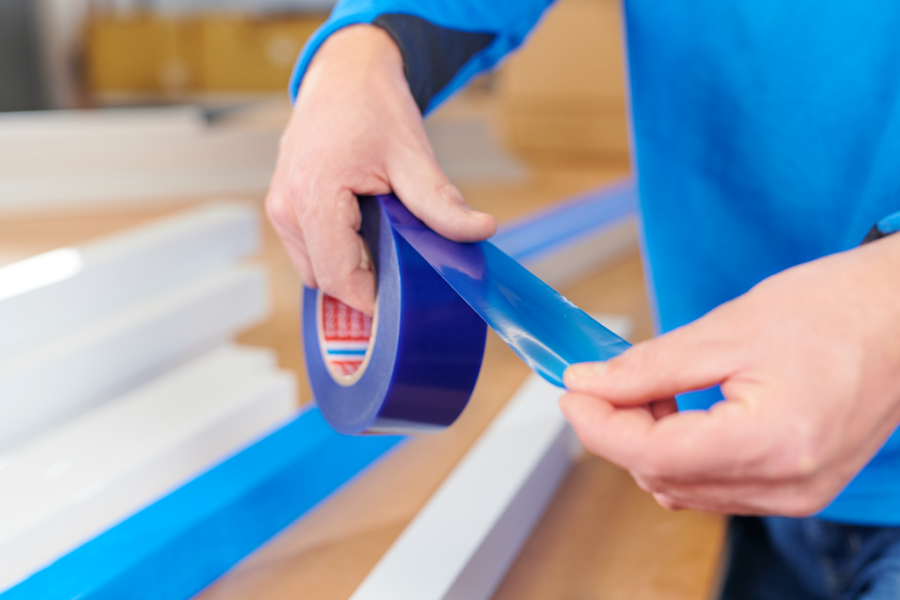
In today’s fast-paced industrial world, safeguarding surfaces, equipment, and materials is more important than ever. Whether you’re in construction, manufacturing, automotive, or household maintenance, even minor scratches or damage can lead to unnecessary costs. This is where protection tape proves to be an invaluable tool. Designed to shield surfaces from abrasion, dirt, moisture, chemicals, and mechanical impact, protection tapes have become a staple for professionals and DIY users alike.
In this comprehensive guide, we’ll explore what protection tape is, how it works, its key benefits, types available, and why it has become a must-have product across various sectors.
What Is Protection Tape?
Protection tape is a specially engineered adhesive tape designed to prevent damage to surfaces during storage, transportation, installation, or finishing processes. Unlike regular tapes, protection tape is made with materials that offer resistance against scratching, UV rays, impact, and contaminants.
Depending on its purpose, protection tape can be made from:
- Polyethylene (PE)
- PVC
- Polypropylene
- Rubber-based adhesives
- Acrylic adhesives
Its versatility allows it to bond smoothly with surfaces like metal, plastic, glass, timber, stone, and painted finishes.
Why Protection Tape Matters
The primary function of protection tape is to extend the life and appearance of surfaces by acting as a physical barrier. In industries where the appearance and integrity of materials directly impact their value, even small blemishes can create significant setbacks. Protection tape helps eliminate these issues by ensuring:
- Reduced repair costs
- Smooth workflow
- Improved product quality
- Enhanced customer satisfaction
For businesses, using protection tape is a proactive measure that saves both time and money.
Key Benefits of Using Protection Tape
-
Prevents Surface Damage
From scratches to dents, many kinds of surface damage occur during construction, transport or installation. Protection tape shields sensitive surfaces from tools, heavy equipment, dust, or accidental abrasions.
This is especially useful for:
- Glass panels
- Stainless steel appliances
- Aluminium sheets
- Stone countertops
- Wooden floors
With protection tape, you can work confidently without worrying about costly repairs.
-
Weather and UV Resistance
High-quality protection tape is designed to resist sunlight, rain, and temperature fluctuations. This makes it ideal for outdoor applications or long on-site installations where surfaces need extended protection.
UV-resistant protection tape ensures the adhesive doesn’t leave residue, even after weeks or months of exposure.
-
Easy to Apply and Remove
One of the biggest advantages of protection tape is its user-friendly design. It sticks firmly but peels off cleanly, leaving no sticky marks or damage behind.
This is crucial for:
- Newly painted surfaces
- Polished metals
- Glass doors and windows
- Finished flooring
Workers can remove the tape quickly without wasting time or cleaning materials.
-
Cost-Effective Preventive Measure
Repairing scratched glass, dented panels or chipped tiles can be expensive. In comparison, protection tape is a very affordable way to avoid these costs altogether. It’s a small investment that delivers long-term savings.
-
Versatile and Multi-Purpose
Protection tape is not limited to industrial settings. Homeowners, renovators, and DIY enthusiasts can use it for household repairs, moving furniture, or protecting surfaces during renovations.
Common uses include:
- Covering countertops during kitchen upgrades
- Protecting flooring during painting
- Shielding car doors from minor impact
- Wrapping metal surfaces during transport
Its versatility makes it indispensable across numerous scenarios.
Common Applications of Protection Tape
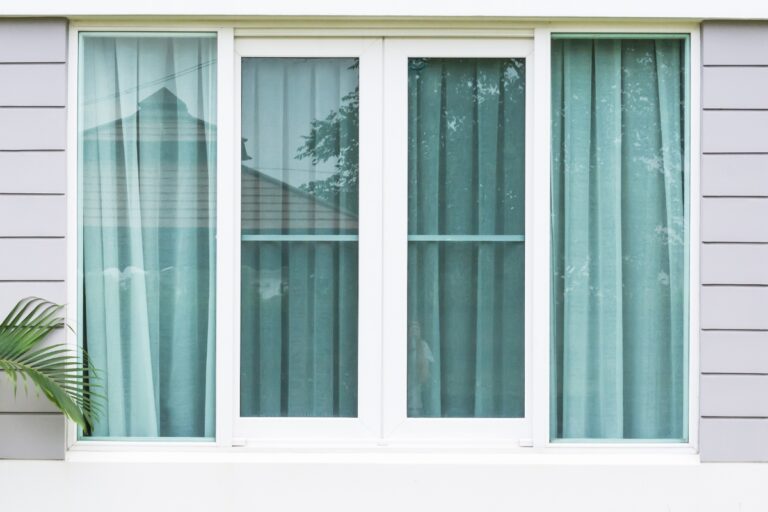
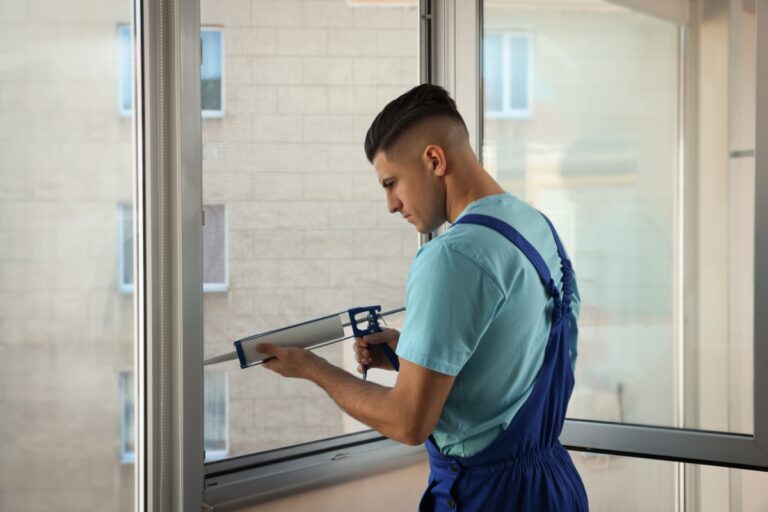
Construction Industry: Builders often rely on protection tape to safeguard freshly installed windows, glass facades, tiles, and stainless-steel fittings. It ensures these materials remain pristine until the project is complete.
Automotive Sector: In car manufacturing and detailing, protection tape keeps painted panels and trims safe during assembly, transport, and polishing. It prevents swirl marks, scratches, and chemical stains.
Manufacturing & Fabrication: Protection tape is applied to sheets of aluminium, steel, acrylic and other materials during cutting, drilling and bending operations. This prevents scuff marks and maintains product quality.
Electronics Industry: Sensitive screens and plastic housings often come with a layer of protection tape to shield against dust and fingerprints until the product reaches the consumer.
Home & DIY Use: Homeowners frequently use protection tape during repairs and renovations, making it easier to protect walls, floors, and cabinetry from accidental damage.
Types of Protection Tape
- Surface Protection Film: Thin, flexible, and transparent—ideal for glass, screens, and smooth surfaces.
- Floor Protection Tape: Designed to resist heavy foot traffic and tools, suitable for timber, tile, and vinyl floors.
- Carpet Protection Tape: Adheres strongly without slipping, perfect for renovation work or events.
- PVC Protection Tape: Durable and abrasion-resistant, often used in construction and HVAC applications.
- Foam Protection Tape: Provides cushioning against impact, commonly used in automotive and packaging industries.
How to Choose the Right Protection Tape
To choose the best protection tape for your needs, consider the following factors:
Surface type: Smooth surfaces like glass need lighter adhesives; textured surfaces require stronger bonding.
Duration of application: Short-term projects may require light-duty tape, while long-term construction works need durable, UV-resistant versions.
Indoor or outdoor use: For outdoor use, choose tapes that resist weather, heat, and UV exposure.
Removal process: Opt for tapes that peel off cleanly without leaving residue or damaging finished surfaces.
Final Thoughts
Protection tape may seem like a simple tool, but its contribution to safety, efficiency, and cost savings is significant. Whether you’re protecting newly installed windows, transporting delicate materials, safeguarding car paint, or handling home renovations, protection tape ensures that surfaces stay in perfect condition from start to finish.
Investing in the right protection tape is a smart move for businesses and homeowners alike. Its durability, versatility, and cost-effectiveness make it an essential part of modern-day projects—big or small.
If you’re looking for an easy, reliable way to preserve the quality of your surfaces, protection tape is the ideal solution.
كيف تستهدف علاجات إنقاص الوزن الدهون العنيدة؟
Real Stories from Patients of the Best fat transfer Surgeon in dubai
Liberty Creative Solutions: Affordable SEO & Digital Marketing That Drives Real Business Growth
Best Aesthetic Clinics in Dubai for Chemical Peels and Skin Hydration
Why Aluminium Thermally Broken Windows Are the Future of Energy-Efficient Homes
About the Author