




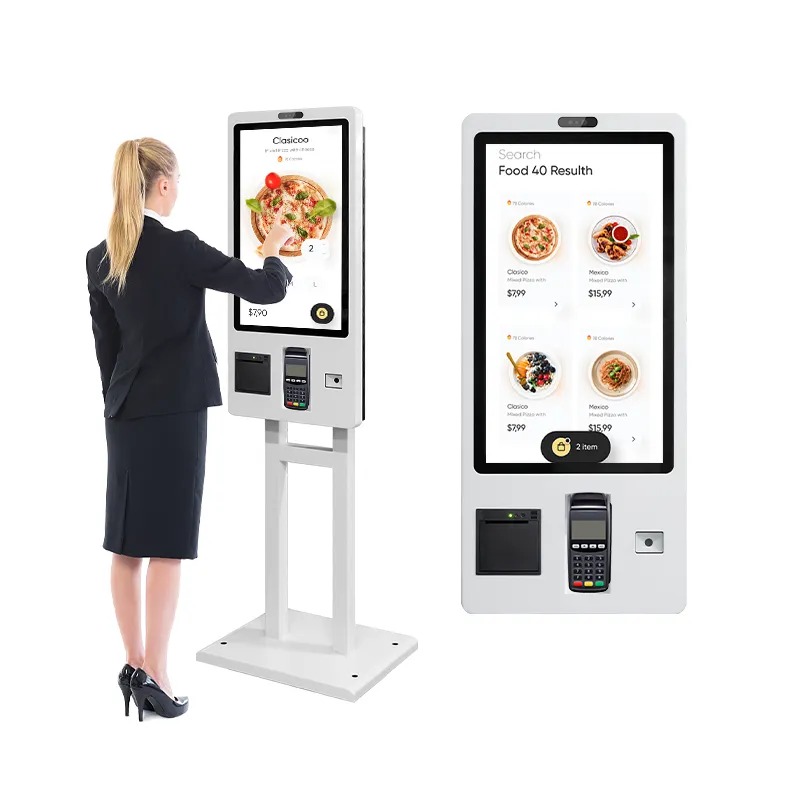
kiosk machine
Saudi Arabia is undergoing a rapid transformation driven by Vision 2030 — a roadmap to diversify the economy, modernize infrastructure, and integrate cutting-edge technology into everyday life. One of the standout trends in this digital evolution is the rise of self-service kiosks. Across retail, hospitality, transportation, healthcare, and government services, these automated systems are reshaping how people interact with businesses and institutions.
What Are Self-Service Kiosks?
Self-service kiosks are interactive terminals that allow users to complete tasks independently, without direct staff assistance. These systems are powered by software, often connected to centralized data networks, and may include touchscreens, barcode scanners, printers, payment modules, and other hardware.
A kiosk machine typically delivers a user-friendly interface enabling visitors or customers to:
- Place orders
- Make payments
- Check in for appointments or flights
- Retrieve information
- Print receipts or tickets
The Digital Infrastructure Boom in Saudi Arabia
Saudi Arabia’s leaders are investing heavily in digital infrastructure — expanding broadband access, accelerating cloud adoption, and encouraging smart city projects such as NEOM. A robust digital backbone creates fertile ground for self-service technologies to flourish.
With more reliable networks and strong government support, businesses can confidently deploy interactive kiosks that require secure connectivity, real-time data synchronization, and integration with online systems.
Enhancing Customer Experience and Convenience
One of the primary reasons behind the boom in self-service kiosks is their ability to elevate customer experience. Today’s consumers expect fast, seamless, and personalized interactions. Self-service kiosks meet these expectations by:
- Reducing wait times
- Offering multilingual support
- Providing intuitive interfaces
- Allowing personalized options in retail and food service
For example, a restaurant using a kiosk machine enables diners to browse menus, customize orders, and pay without waiting for counter staff — a convenience that resonates with tech-savvy younger generations.
Supporting Contactless and Safe Transactions
The COVID-19 pandemic accelerated demand for contactless solutions globally — and Saudi Arabia was no exception. Self-service kiosks became a key tool for businesses aiming to minimize physical interaction while maintaining high service standards.
Kiosks with touchless payment options or sanitized touchscreens help protect both customers and employees, especially in high-traffic environments such as airports, hospitals, and shopping malls.
Reducing Operational Costs and Improving Efficiency
For many enterprises, self-service automation represents a strategic investment in operational efficiency. A kiosk machine can:
- Handle repetitive tasks without fatigue or error
- Reduce staffing pressures during peak hours
- Lower service costs over time
- Free up staff to focus on higher-value responsibilities
These efficiencies are particularly compelling for sectors with tight profit margins, such as quick-service restaurants and retail stores.
Government Initiatives and Smart Government Services
Saudi Arabia’s government is actively promoting digital governance through e-services. Self-service kiosks play a key role in decentralizing public services, enabling citizens and residents to:
- Access government information
- Submit forms and documents
- Pay fines or fees
- Retrieve official documents
By placing kiosks in public spaces like municipal buildings, transportation hubs, and community centers, authorities make it easier for users to complete tasks without visiting offices during limited business hours.
Integration with Mobile and Digital Wallet Ecosystems
Saudi Arabia is experiencing a surge in mobile payment adoption, driven by fintech innovation and regulatory encouragement. Modern self-service kiosks are designed to integrate smoothly with digital wallets and mobile apps, allowing customers to pay using QR codes or NFC technology.
This convergence of mobile and kiosk technologies accelerates digital adoption, supports cashless commerce, and aligns with broader goals of financial technology advancement.
Future Prospects: AI, Personalization, and Multi-Sector Growth
Looking ahead, innovations such as artificial intelligence (AI), facial recognition, and predictive analytics are set to enhance the capabilities of self-service kiosks even further. These advancements will empower kiosks to:
- Offer tailored recommendations
- Streamline personalized services
- Learn from customer behavior patterns
With ongoing investments and rapid digital adoption, the use of self-service kiosks is expected to expand into new sectors, including education, entertainment, and wellness.
Conclusion
The rise of self-service kiosks in Saudi Arabia reflects a broader commitment to digital transformation, economic diversification, and improved quality of service. By combining technological innovation with customer-centric design, these systems are not only reshaping how businesses operate — they’re redefining how people engage with their digital economy.
Whether in a retail store, government office, or transportation hub, the self-service kiosk phenomenon is becoming a cornerstone of modern Saudi life and commerce.
About the Author