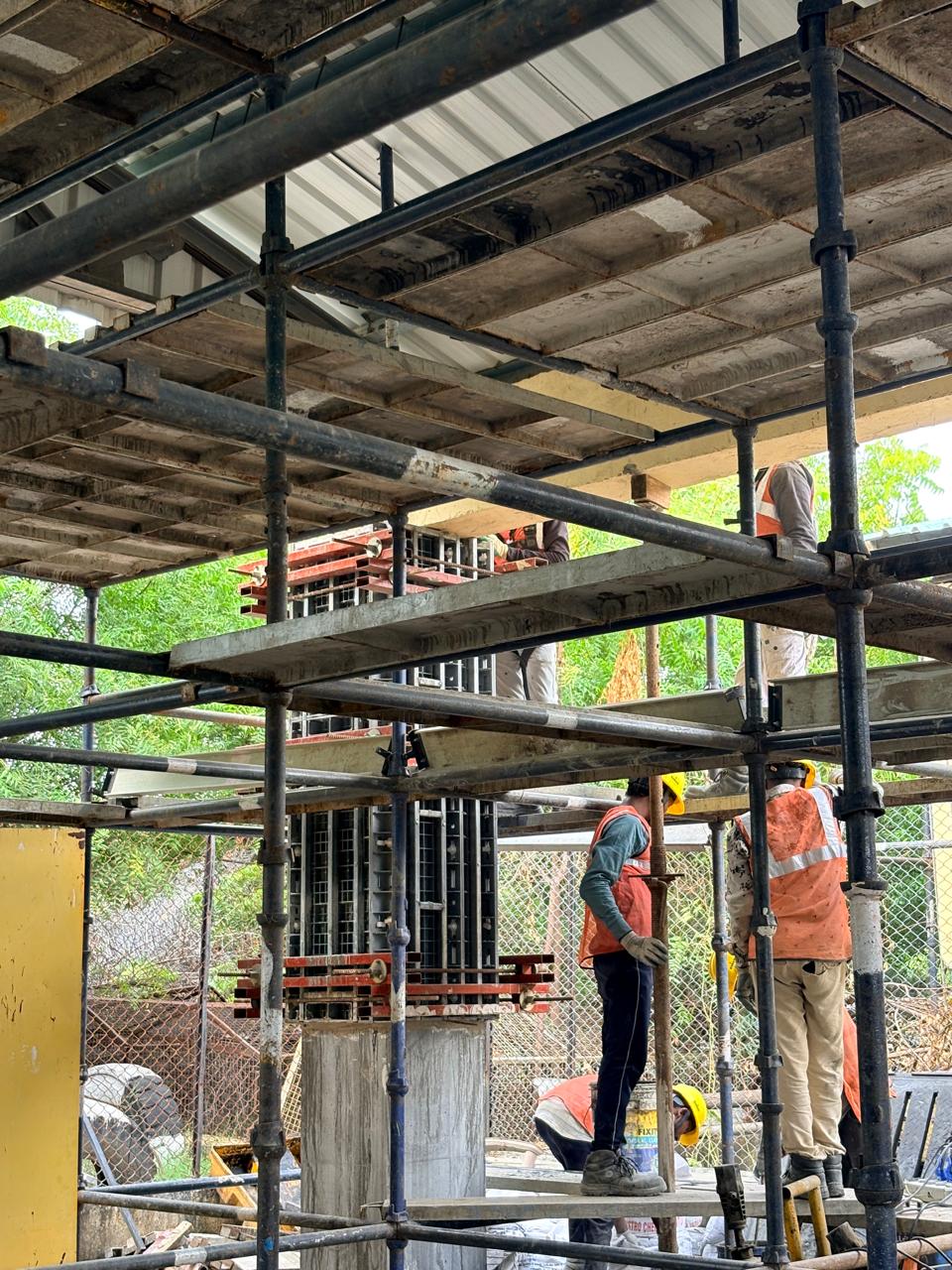
Buildings are designed to last for decades, but time, environmental stress, poor construction practices, and unexpected events can weaken their structural integrity. Structural repair services focus on identifying, correcting, and preventing damage that compromises a building’s stability. These services are essential for residential, commercial, and industrial properties, ensuring safety, compliance, and long-term durability without the need for complete reconstruction.
Understanding Structural Damage in Buildings
Structural damage occurs when core elements like beams, columns, slabs, or foundations lose their load-bearing capacity. Common causes include soil settlement, water seepage, corrosion of steel reinforcement, seismic activity, and aging materials. Ignoring early signs of damage can lead to severe risks. Professional structural repair services address both visible and hidden issues, restoring strength while preventing future deterioration.
Importance of Timely Structural Repairs
Delaying structural repairs often results in higher costs and increased safety hazards. Small cracks can expand, reinforcement corrosion can accelerate, and load distribution can become uneven. Timely intervention helps maintain property value and occupant safety. Structural repair services provide targeted solutions that stabilize affected areas, minimize disruption, and extend the building’s usable life without compromising its original design intent.
Common Signs That Indicate Structural Problems
Visible cracks in walls, sagging floors, uneven ceilings, and exposed reinforcement bars are clear warning signs. Other indicators include water leakage, rust stains, and doors or windows that no longer align properly. Structural repair services begin with a detailed inspection to identify these symptoms and trace them back to their root causes, ensuring repairs are effective and long-lasting.
Structural Assessment and Inspection Process
A proper structural repair project starts with a thorough assessment by qualified engineers. This includes visual inspections, non-destructive testing, and load analysis. Advanced tools help evaluate concrete strength and reinforcement condition. Structural repair services rely on accurate diagnosis, as repairing symptoms alone can lead to recurring issues. A detailed assessment ensures that repairs address both present damage and potential future risks.
Concrete Crack Repair Solutions
Cracks in concrete structures are common and vary in severity. Hairline cracks may be cosmetic, while deeper cracks can affect structural stability. Structural repair services use techniques like epoxy injection, polyurethane grouting, and crack stitching to restore strength. These methods bond cracked sections, prevent moisture ingress, and improve load transfer, making concrete elements safe and functional again.
Foundation Repair and Stabilization
Foundation issues are among the most serious structural problems. Settlement, soil erosion, or poor initial design can cause uneven foundations. Structural repair services for foundations include underpinning, micro-piling, and soil stabilization. These techniques redistribute loads and strengthen the base of the structure, preventing further movement and ensuring long-term stability for the entire building.
Column and Beam Strengthening Techniques
Columns and beams carry critical loads, and any weakness can compromise the entire structure. Structural repair services strengthen these elements using jacketing methods with concrete, steel, or fiber-reinforced polymers. These techniques increase load-bearing capacity without significantly altering dimensions. Proper strengthening restores safety margins and allows buildings to handle current and future load demands efficiently.
Slab Repair and Rehabilitation Methods
Damaged slabs can lead to uneven floors, reduced load capacity, and safety hazards. Structural repair services address slab issues through resurfacing, reinforcement replacement, and load redistribution. Techniques like slab jacking and overlay systems help correct deflection and cracking. These repairs improve structural performance while maintaining the usability and appearance of floors in residential and commercial spaces.
Waterproofing as a Preventive Structural Measure
Water infiltration is a leading cause of structural deterioration. Moisture accelerates corrosion and weakens concrete. Structural repair services often integrate waterproofing solutions such as membrane systems, chemical coatings, and drainage improvements. Effective waterproofing protects repaired areas from future damage, ensuring the longevity of structural repairs and reducing maintenance costs over time.
Corrosion Control and Reinforcement Protection
Steel reinforcement corrosion is a hidden threat that gradually weakens concrete structures. Structural repair services include corrosion removal, passivation treatments, and protective coatings. These measures stop ongoing corrosion and shield reinforcement from moisture and chemicals. By addressing corrosion proactively, buildings regain structural reliability and avoid extensive future repairs or premature replacement.
Seismic Retrofitting for Structural Safety
In earthquake-prone regions, older buildings often lack adequate seismic resistance. Structural repair services provide seismic retrofitting solutions such as shear wall addition, bracing systems, and base isolation techniques. These upgrades improve energy dissipation and structural flexibility during seismic events. Retrofitting not only enhances safety but also ensures compliance with updated building regulations.
Structural Repairs for Commercial Buildings
Commercial properties face unique structural demands due to higher occupancy and load requirements. Structural repair services for offices, malls, and warehouses focus on minimizing downtime while ensuring safety. Techniques are carefully planned to allow business continuity. Effective repairs protect investments, maintain operational efficiency, and reassure occupants and stakeholders about the building’s reliability.
Residential Structural Repair Considerations
Homes require structural repairs that balance safety, comfort, and aesthetics. Structural repair services for residential buildings address foundation cracks, roof support issues, and wall damage. Solutions are tailored to minimize disruption to daily life. Proper repairs enhance property value, improve living conditions, and provide homeowners with peace of mind regarding long-term safety.
Industrial Structural Repair Challenges
Industrial facilities often operate under heavy loads, vibrations, and harsh conditions. Structural repair services in industrial settings must meet strict safety and performance standards. Repairs may involve high-strength materials and specialized techniques to withstand operational stresses. Effective structural rehabilitation ensures uninterrupted production while maintaining compliance with industrial safety regulations.
Role of Advanced Materials in Structural Repairs
Modern structural repair services utilize advanced materials like fiber-reinforced polymers, high-performance concrete, and corrosion-resistant coatings. These materials offer superior strength, durability, and ease of application. Their use allows efficient repairs with minimal added weight, making them ideal for upgrading existing structures without extensive demolition or reconstruction.
Cost Factors in Structural Repair Projects
The cost of structural repair services depends on damage extent, repair methods, materials, and accessibility. Early intervention typically reduces expenses significantly. While quality repairs may require upfront investment, they prevent costly failures and extend building life. Transparent assessments and detailed repair plans help property owners make informed decisions aligned with safety and budget considerations.
Compliance with Building Codes and Standards
Structural repairs must adhere to local building codes and engineering standards. Structural repair services ensure compliance through proper design, material selection, and execution. Meeting regulatory requirements not only ensures safety but also avoids legal issues during property sale or leasing. Code-compliant repairs enhance credibility and long-term usability of the structure.
Choosing the Right Structural Repair Professionals
Selecting experienced professionals is crucial for successful repairs. Qualified structural repair services providers offer engineering expertise, proven methodologies, and quality assurance. Their approach includes thorough inspection, customized solutions, and skilled execution. Working with the right team ensures repairs are durable, efficient, and aligned with the building’s specific needs.
Preventive Maintenance and Structural Health Monitoring
Beyond repairs, preventive maintenance plays a key role in structural longevity. Structural repair services often include monitoring systems and routine inspections. Early detection of minor issues allows prompt action, reducing long-term costs. Preventive strategies help maintain structural health, ensuring buildings remain safe, functional, and resilient against environmental and operational stresses.
Long-Term Benefits of Professional Structural Repairs
Investing in professional structural repair services delivers long-term benefits such as enhanced safety, extended building lifespan, and improved asset value. Proper repairs reduce recurring maintenance issues and provide confidence to occupants and investors. By addressing structural problems comprehensively, buildings remain reliable and adaptable to future demands without compromising their original purpose.
Structural integrity is the foundation of any safe and functional building. Structural repair services play a critical role in addressing damage, preventing failures, and enhancing resilience. Through expert assessment, advanced techniques, and quality materials, these services restore strength and stability. Proactive repairs ensure that buildings continue to serve their purpose safely, efficiently, and sustainably for years to come.
