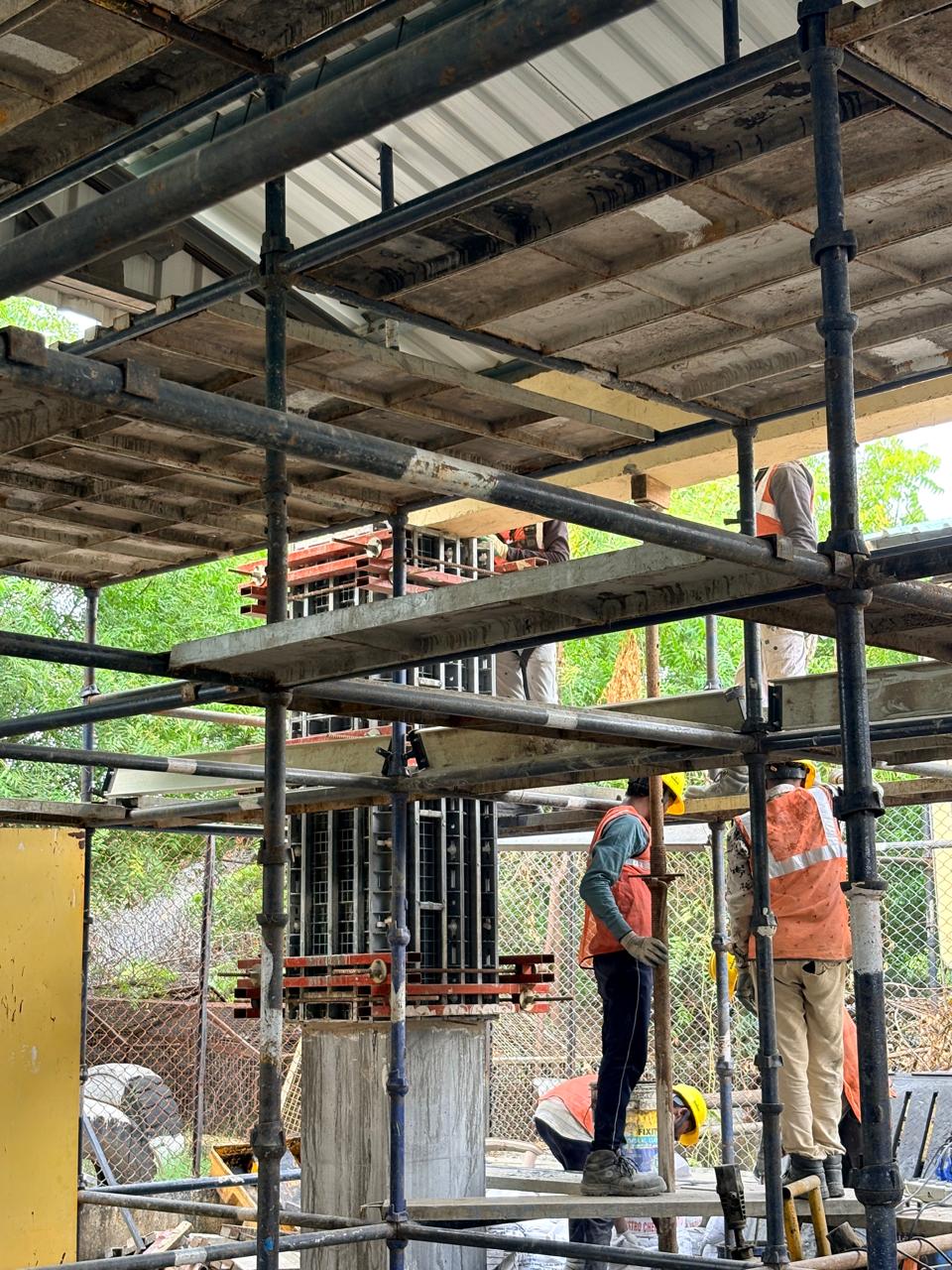
Buildings are designed to last for decades, but age, environmental stress, and construction flaws can weaken them over time. Cracks, settlement, corrosion, and water damage often signal deeper issues that should not be ignored. Structural repair services focus on restoring strength, stability, and safety to buildings while extending their usable life. Understanding these repairs helps property owners make informed decisions before minor defects become major risks.
Understanding What Structural Repairs Mean
Structural repairs deal with the core elements that hold a building together, such as foundations, beams, columns, slabs, and load bearing walls. Unlike cosmetic fixes, these repairs address the actual integrity of the structure. They are required when a building shows signs of distress that could affect safety. Proper assessment ensures repairs solve root causes, not just visible symptoms, which is critical for long term performance.
Common Causes of Structural Damage
Structural damage can occur due to soil movement, poor construction quality, design errors, water seepage, earthquakes, or aging materials. In many cases, multiple factors combine over time. Expansive soil can cause foundation settlement, while constant moisture leads to steel corrosion and concrete deterioration. Identifying the exact cause is essential, because effective repair methods depend on why the damage happened in the first place.
Warning Signs You Should Never Ignore
Visible cracks in walls, uneven floors, sagging roofs, and doors that no longer close properly are common warning signs. Other indicators include exposed reinforcement bars, water leakage through slabs, or noticeable vibrations. These symptoms often suggest deeper structural problems. Ignoring them can increase repair costs and safety risks. Early inspection by professionals helps prevent further damage and protects both occupants and property value.
Importance of Structural Health Assessment
Before any repair begins, a detailed structural health assessment is crucial. Engineers evaluate load paths, material condition, soil behavior, and damage patterns. Techniques may include visual surveys, non destructive testing, and structural analysis. This process ensures that repair solutions are technically sound and cost effective. A proper assessment also helps prioritize urgent repairs while planning long term strengthening measures when needed.
Foundation Repair and Stabilization
Foundation problems are among the most serious structural issues. Settlement, tilting, or cracks in foundations can compromise the entire building. Repair methods may involve underpinning, micro piling, grouting, or soil stabilization. The chosen technique depends on soil conditions and building load. Proper foundation repair restores stability and prevents further movement, ensuring the building remains safe for continued use.
Crack Repair and Concrete Restoration
Cracks in concrete are common but should not be treated casually. Some cracks are harmless, while others indicate structural stress. Repair methods include epoxy injection, polymer modified mortars, and concrete jacketing. These techniques restore strength and prevent moisture ingress. Effective crack repair not only improves appearance but also stops corrosion and further deterioration, which is vital for reinforced concrete structures.
Column and Beam Strengthening Solutions
Columns and beams carry critical loads within a building. When they weaken due to corrosion, impact, or design limitations, strengthening becomes necessary. Techniques such as reinforced concrete jacketing, steel plate bonding, and fiber wrapping are widely used. These methods enhance load carrying capacity without major demolition. Proper strengthening ensures the building can safely support current and future loads.
Slab Repair and Load Enhancement
Floor and roof slabs often suffer from cracks, deflection, or water damage. Structural slab repair focuses on restoring stiffness and load capacity. Methods may include slab thickening, fiber reinforcement, or external support systems. Addressing slab issues is important for occupant safety and functionality. Well executed repairs also reduce vibrations and prevent progressive damage to connected structural elements.
Role of Waterproofing in Structural Repairs
Water is one of the biggest enemies of structural durability. Continuous leakage accelerates concrete damage and steel corrosion. Integrating waterproofing with structural repairs is essential for long lasting results. This may include membrane systems, chemical treatments, or drainage improvements. Proper waterproofing protects repaired areas from future moisture related damage and significantly increases the lifespan of the structure.
Seismic Retrofitting for Earthquake Safety
In seismic zones, older buildings often lack adequate earthquake resistance. Seismic retrofitting strengthens structures to withstand lateral forces during earthquakes. Techniques include adding shear walls, bracing systems, and base isolation elements. Retrofitting not only improves safety but also helps buildings comply with updated codes. It is a proactive step that can save lives and reduce severe structural damage.
Structural Repairs for Residential Buildings
Homes require structural repairs for reasons such as foundation settlement, roof slab cracks, or wall distress. Residential repairs focus on safety, comfort, and durability without major disruption. Solutions are often customized to suit the building layout and usage. Timely repairs help homeowners avoid costly reconstruction and maintain property value while ensuring a safe living environment for their families.
Structural Repairs for Commercial Properties
Commercial buildings experience higher loads and constant usage, making structural integrity even more critical. Repairs may involve strengthening columns, repairing parking slabs, or retrofitting for additional floors. Business continuity is a key consideration, so repairs are often phased. Effective structural repair planning minimizes downtime while ensuring compliance with safety standards and protecting long term investment value.
Industrial Structure Repair Challenges
Industrial structures face harsh conditions such as heavy machinery loads, vibrations, and chemical exposure. Structural repairs in industrial facilities must consider operational demands and safety regulations. Specialized materials and techniques are often required. Proper execution ensures structures can safely support equipment and processes. Well planned repairs also reduce maintenance costs and prevent unexpected shutdowns due to structural failures.
Modern Materials Used in Structural Repairs
Advancements in construction materials have improved repair effectiveness. Fiber reinforced polymers, high strength grouts, corrosion inhibitors, and specialty mortars are commonly used today. These materials offer durability, faster application, and minimal added weight. Choosing the right material depends on structural requirements and environmental conditions. Modern repair systems provide reliable performance when applied by trained professionals.
Importance of Skilled Engineering and Execution
Structural repair work requires expertise in both design and execution. Improper repairs can worsen problems or create new risks. Qualified engineers ensure that repair methods meet safety standards and structural requirements. Skilled technicians follow precise application procedures. This combination of engineering knowledge and workmanship ensures repairs are effective, durable, and compliant with relevant building regulations.
Cost Factors in Structural Repair Projects
The cost of structural repairs varies based on damage severity, repair method, building type, and accessibility. Early repairs are usually more affordable than delayed interventions. A detailed assessment helps estimate realistic costs and avoid surprises. While structural repairs may seem expensive, they are often far more economical than reconstruction or dealing with structural failure consequences later.
Preventive Maintenance and Early Intervention
Preventive maintenance plays a key role in reducing the need for major structural repairs. Regular inspections, timely waterproofing, and minor crack repairs prevent deterioration. Early intervention stops small issues from escalating into serious structural problems. Property owners who invest in preventive care benefit from lower long term costs and improved building safety over time.
Compliance With Safety and Building Codes
Structural repair projects must comply with local building codes and safety standards. Regulations ensure repairs restore adequate strength and performance. Non compliant repairs can lead to legal issues and unsafe conditions. Working with professionals who understand regulatory requirements helps avoid penalties and ensures the repaired structure meets current safety expectations and approval processes.
Long Term Benefits of Structural Repairs
Effective structural repairs extend the lifespan of buildings and enhance safety. They also improve property value and usability. Strengthened structures perform better under load and environmental stress. Over time, well executed repairs reduce maintenance needs and unexpected failures. Investing in proper structural repair is a practical decision that protects both people and assets.
Choosing the Right Approach for Your Building
Every building has unique structural needs based on design, age, and usage. There is no one size fits all solution. A customized repair strategy ensures optimal results. Consulting experienced professionals helps determine the most suitable techniques. With the right approach, structural repairs restore confidence in the building’s safety and functionality for years to come.
Structural issues should never be overlooked or delayed. Awareness and timely action make a significant difference in outcomes. Understanding repair options empowers property owners to act responsibly. With proper assessment, skilled execution, and quality materials, structural repairs ensure safety, durability, and peace of mind. Taking action early is the smartest way to protect any building investment.
